The Architectural Canvas: How Mall Structures Become Part of the Advertising Idea??
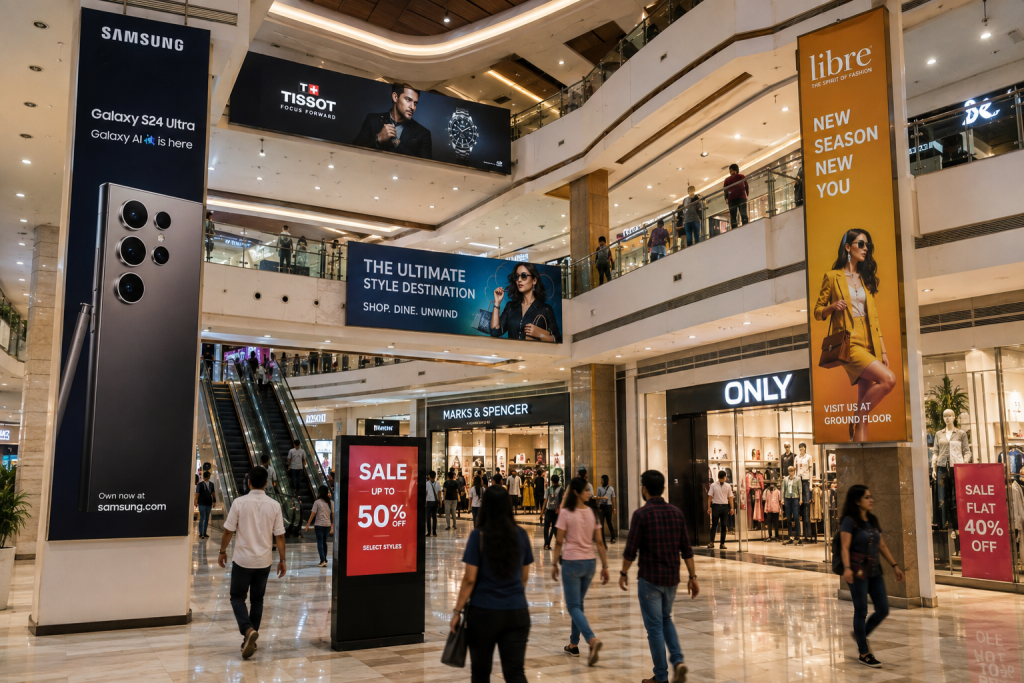
Mall advertising does not have to be limited to conventional posters or digital screens. Modern shopping environments offer a wide range of physical structures that can become part of a brand’s communication.
The Architectural Canvas approach looks at the mall itself as a creative opportunity. Pillars, walls, glass facades, escalator sides, ceilings and other structural elements can be incorporated directly into an advertising execution.
Designing Around the Structure
A major strength of architectural mall branding is the ability to design with the physical space rather than simply placing an advertisement onto it.
A curved surface can influence the shape of the creative. A series of pillars can become a sequence of visual elements. An escalator can create movement within the campaign, while a large wall can provide space for an immersive visual.
The structure becomes part of the idea.

Turning Ordinary Surfaces Into Brand Assets
Consumers regularly pass the same architectural elements during their mall visits. When these surfaces are creatively transformed, familiar spaces can acquire a completely different visual identity.
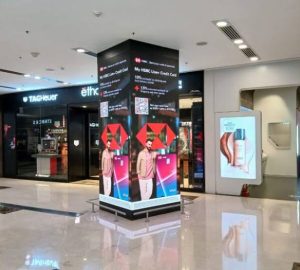
A branded pillar, creatively wrapped column or specially designed glass installation can turn an otherwise ordinary part of the mall into a noticeable brand touchpoint.
This approach allows brands to make use of spaces that might otherwise remain visually underutilized.
Creative Continuity Across the Mall
Architectural branding can also connect multiple locations within the same shopping environment.
For example, a campaign can begin with branded pillars near an entrance, continue across escalator panels and extend onto walls or glass surfaces on another floor. Consistent colours, imagery and campaign elements can connect these executions into one visual language.
The individual structures remain different, but the brand identity stays consistent.
Making the Environment Part of the Story
The most interesting architectural executions use the surrounding structure to contribute to the communication.
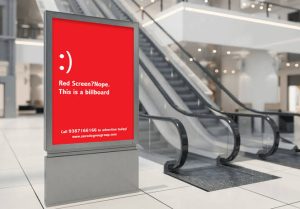
A product can appear to extend around a column. A visual can follow the movement of an escalator. A large character or product image can interact with a wall or doorway.
These executions create a relationship between creative concept and physical environment, making the advertisement feel less like a standard display.
Beyond Conventional Mall Advertising
The Architectural Canvas concept demonstrates that mall media can be much more than a collection of predefined advertising spaces.
By looking at the building itself as a creative resource, brands can discover opportunities across surfaces, structures and movement areas that support distinctive communication.