How Mall Branding Influences Purchase Decisions at the Point of Sale
3 min read
Discover how mall branding shapes purchase decisions at the point of sale by influencing shopper psychology, creating visual impact, reinforcing brand recall, and guiding consumers from awareness to instant conversions.
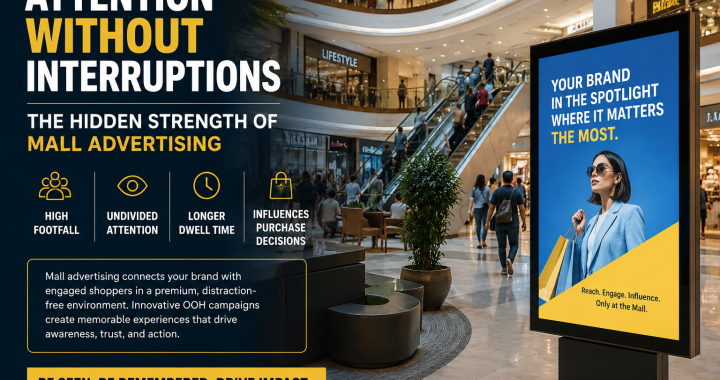
Mall branding works effectively because shoppers inside malls are already in a purchase-ready mindset. Unlike outdoor ads or digital impressions, mall advertising reaches people at the exact moment they are browsing, evaluating, and making buying decisions. This proximity to stores amplifies the influence of branding on their final choices.
Visual Impact Drives Instant Recall and Brand Preference
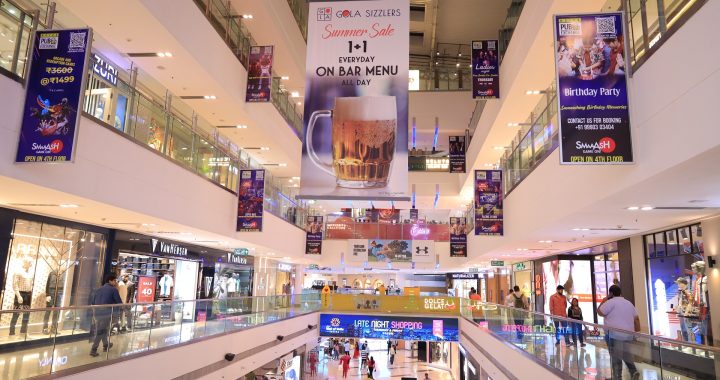
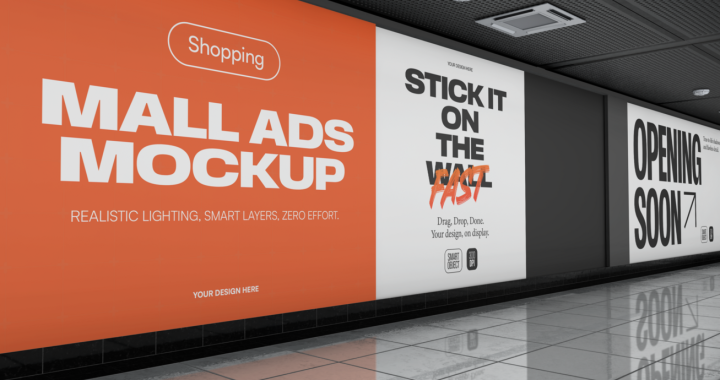
Mall branding creates powerful visual cues through digital screens, standees, wall wraps, kiosks, and storefront displays. These placements are impossible to miss, especially in high-footfall areas like atriums, escalators, and food courts. Consistent visibility keeps the brand top-of-mind, nudging shoppers toward specific categories or products.
Proximity to Stores Converts Awareness Into Action
One of the biggest advantages of mall branding is its closeness to the point of sale. When a shopper sees an eye-catching display for a skincare brand and the store is just steps away, the probability of walking in increases dramatically. The shorter the decision journey, the higher the conversion.
Branding Reinforces Trust and Reduces Hesitation
Mall environments are premium, controlled, and clean — qualities that naturally elevate brand perception. When customers see a brand repeatedly across multiple touchpoints inside the mall, it builds credibility. This trust lowers hesitation and makes shoppers more confident about trying new products or upgrading to better ones.
Interactive Displays Turn Interest Into Engagement
Mall branding goes beyond static visuals. Brands often activate product demos, sampling counters, and AR-based experiences inside malls to create deeper interactions. When shoppers touch, try, or experience a product firsthand, their buying intent increases significantly. Engagement transforms curiosity into consideration.
Offers and Festival Promotions Get Immediate Attention
Mall branding is a powerful tool for communicating limited-time offers, festival deals, and product launches. Digital screens and branded kiosks quickly capture attention and push shoppers to explore promotions before leaving the premises. The sense of urgency further accelerates purchase decisions.
Emotional and Impulse Buying Gets a Boost Inside Malls
Malls naturally stimulate impulse buying — whether it’s fashion, electronics, beauty, or F&B. Mall branding leverages this behaviour by showcasing aspirational visuals and lifestyle cues that make shoppers instantly relate to the product. When emotions are triggered at the right moment, impulse purchases rise.
Brand Recall Strengthens In-Store Browsing Behaviour
When shoppers browse inside a store, their memory of mall branding influences what they look for first. It guides them towards specific shelves, colours, or product lines that they have already seen outside or near the store. This subtle influence increases the chances of conversion without feeling intrusive.
Mall Branding Complements Retail Sales Teams
Promoters and sales staff often rely on mall branding to support their pitch. When a customer has already seen the brand message across multiple touchpoints, the sales conversation becomes smoother. The branding preps the shopper, while the staff closes the sale.
A Multi-Sensory Experience That Digital Alone Can’t Replicate
Mall branding uses visuals, sound, motion graphics, and interactive elements to create an immersive experience. This multi-sensory exposure has a stronger psychological impact than digital ads viewed passively on screens at home. As a result, mall branding can influence purchase decisions in real time.