How Digital Screens in Malls Are Transforming Real-Time Advertising Campaigns
3 min read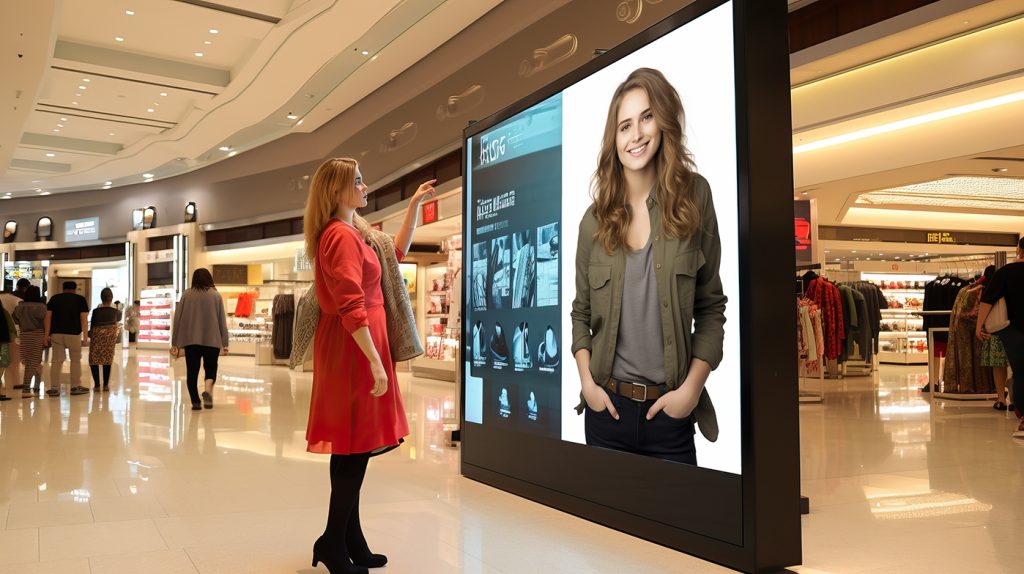
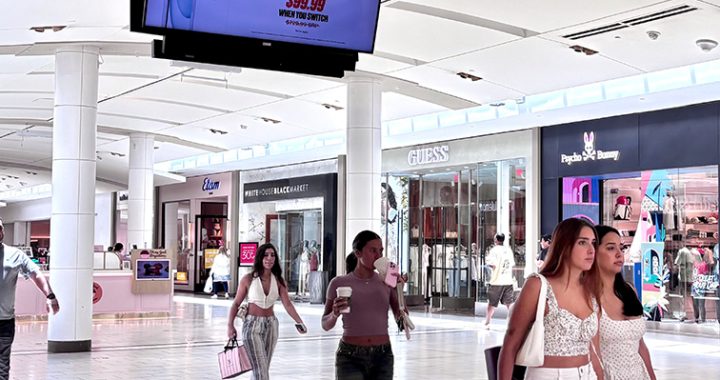
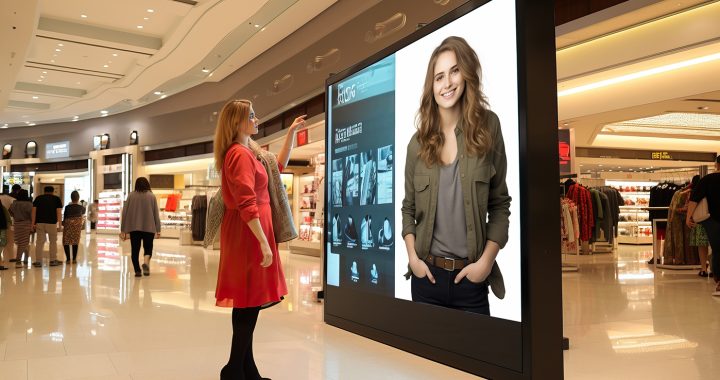
Digital signage with a screen in a mall, enhancing the shopping experience
For years, mall advertising was a “set it and forget it” game. You printed a massive vinyl banner, hung it from the atrium ceiling, and hoped for the best for the next three months. If the weather changed, or a product sold out, or a cultural trend shifted overnight? You were stuck with a piece of plastic that was suddenly irrelevant.
Those days are over. The introduction of Digital Out-of-Home (DOOH) screens has turned the mall into a living, breathing media environment. We aren’t just looking at posters anymore; we are looking at real-time data engines. Here is how digital screens are transforming the mall from a passive hallway into a high-speed conversion funnel.
1. The Death of the “One-Size-Fits-All” Message
The biggest shift in digital mall advertising is Dayparting. A mall has a “rhythm” that changes by the hour, and digital screens allow brands to dance to that rhythm.
-
9:00 AM: The screens feature breakfast deals, comfortable walking shoes, and “Early Bird” wellness offers for the morning crowd.
-
1:00 PM: The messaging pivots to quick lunch combos and “Mid-Day Pick-me-ups.“
-
6:00 PM: The screens switch to date-night outfits, cinema showtimes, and evening dining.
By matching the creative to the clock, brands stop being “background noise” and start being a relevant part of the shopper’s immediate schedule.
2. Weather-Triggered Creative: Selling for the Sky
Digital screens are now connected to live weather feeds. This is a level of “hyper-relevance” that print could never touch.
If a sudden rainstorm hits, a footwear brand can instantly switch their screen from sandals to waterproof boots. If the temperature outside spikes, a skincare brand can push high-SPF sunscreen or cooling mists. This “reactive advertising” solves a problem the customer didn’t even know they had five minutes ago, making the purchase feel like a lucky coincidence rather than a cold sales pitch.
3. The Live “Inventory Bridge”
There is nothing more frustrating than a shopper seeing an ad, walking to the store, and being told the item is out of stock. Digital screens solve this by bridging the gap between the ad and the warehouse.
Innovative brands are now using Live Inventory Feeds on their mall screens. A digital kiosk can display a specific sneaker and literally count down the stock: “Only 6 pairs left in-store—Level 2.” This creates a “Fear of Missing Out” (FOMO) that is based on real-time truth, driving an immediate sprint to the cash register.

4. Social Integration: From Phone to Pillar
Digital screens have turned the mall into a social media extension. Brands are now running “User-Generated Content” (UGC) campaigns where shoppers post a photo with a specific hashtag and see themselves on a massive 20-foot screen in the main court seconds later.
This does two things:
-
It stops foot traffic: People love seeing themselves and their friends on a “big screen.“
-
It builds trust: A photo of a real person wearing a brand’s clothes is 10 times more persuasive than a professional model in a photoshopped ad.
5. The Feedback Loop: Anonymous Analytics
The “magic” of modern digital screens isn’t just what they show it’s what they see. Many digital kiosks are now equipped with anonymous sensors that can track:
-
Dwell Time: How long did people actually look at the ad?
-
Demographics: Did the ad appeal more to Gen Z or Boomers?
-
Mood: Are people smiling when they see the creative?
This data allows brands to “A/B test” their ads in the real world. If a blue background isn’t stopping people but a red one is, the brand can swap the creative across the entire mall network with a single click.
Conclusion
Digital screens have removed the “guesswork” from mall advertising. We have moved from a world of static images to a world of Dynamic Interventions. By using real-time data weather, inventory, time of day, and social trends—brands are no longer just “putting up an ad.” They are starting a conversation that is relevant to exactly where the shopper is standing and what they are feeling. In the modern mall, the screen isn’t just a display; it’s a heat map for consumer intent.