DOOH Screens in Malls: Real-Time Advertising for Modern Brands
4 min read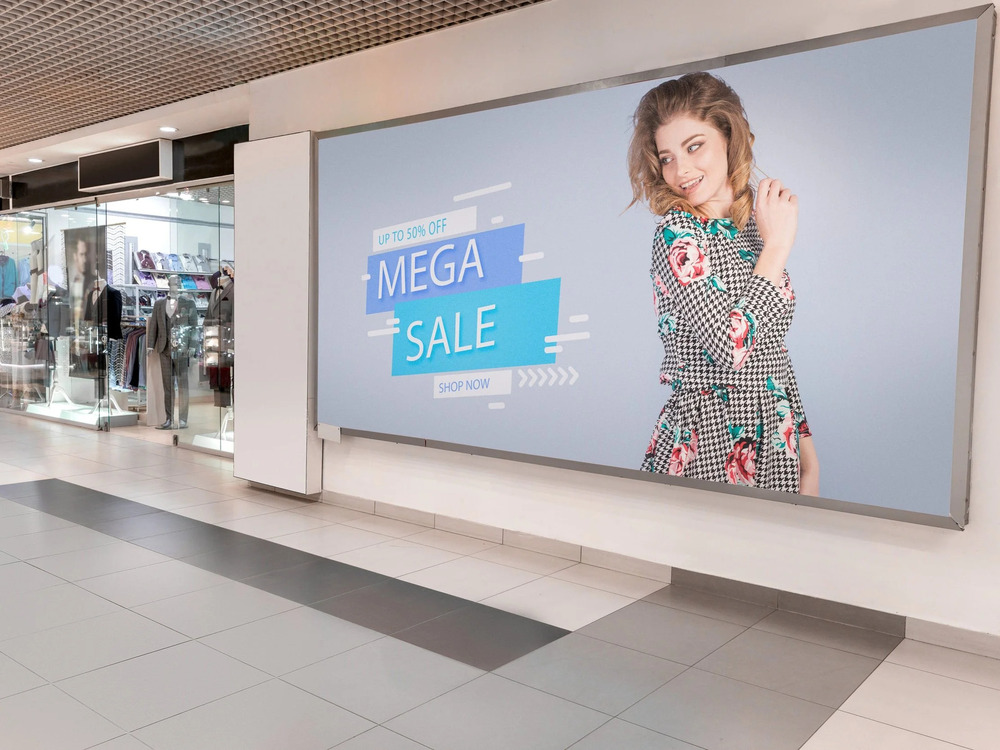
Walk through any modern shopping mall today and you’ll notice a clear shift—static posters are slowly giving way to bright, dynamic digital screens. From large LED walls at entrances to smaller screens near escalators and food courts, DOOH (Digital Out-of-Home) advertising is transforming how brands communicate with shoppers.
For modern brands, it’s no longer enough to just be visible. The focus has shifted to being timely, relevant, and engaging. And that’s exactly what DOOH screens in malls deliver.
What is DOOH Advertising in Malls?
DOOH (Digital Out-of-Home) refers to digital advertising displayed on screens placed in high-footfall public environments like malls.
These include:
-
Large LED video walls
-
Digital standees
-
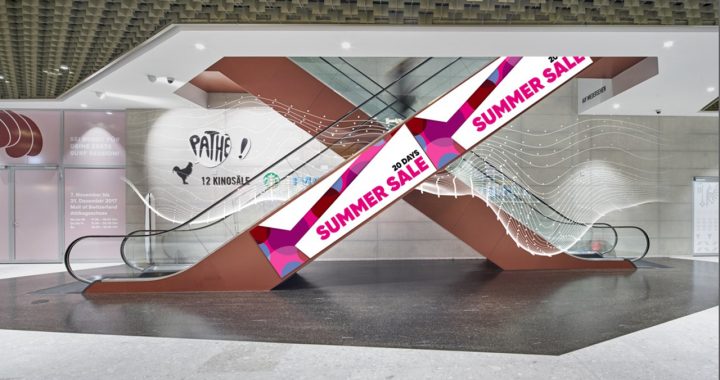
Screens near escalators and lifts
-
Food court display panels
-
Interactive kiosks
Unlike traditional hoardings, DOOH allows brands to display dynamic, changing content instead of a single static message.
Why DOOH Screens Are Gaining Popularity
The biggest reason behind the rise of DOOH is simple attention.
Digital screens naturally attract more attention than static ads because:
-
They move
-
They change
-
They feel modern
In a mall environment filled with distractions, motion-based content stands out instantly.
But it’s not just about visibility—it’s about flexibility.
Real-Time Advertising: The Biggest Advantage
What makes DOOH truly powerful is its ability to update content in real time.
Brands can change their ads based on:
-
Time of day
-
Ongoing offers
-
Audience type
-
Special events
For example:
-
A restaurant promoting lunch deals in the afternoon
-
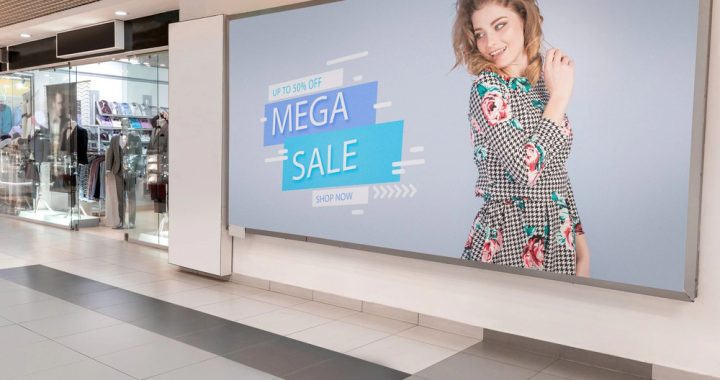
A fashion brand highlighting evening offers
-
A movie promotion updating show timings
This level of control is something traditional advertising simply cannot offer.

High-Impact Locations Inside Malls
DOOH screens are strategically placed where people are most likely to notice them.
Top-performing locations include:
-
Mall entrances
-
Atrium areas
-
Escalator zones
-
Food courts
-
Cinema lobbies
These spots ensure that your content gets maximum exposure throughout the shopper’s journey.
Why Modern Brands Prefer DOOH
DOOH aligns perfectly with how today’s consumers behave.
People are used to screens phones, TVs, social media. So when they see digital ads in malls, it feels natural and engaging.
Here’s why brands are investing more in DOOH:
1. Dynamic Content Delivery
You can run multiple creatives in a loop instead of sticking to one message.
2. Better Engagement
Videos, animations, and motion graphics grab more attention than static visuals.
3. Campaign Flexibility
Need to update your offer? You can do it instantly without reprinting anything.
4. Premium Brand Image
Digital screens give a modern, high-tech feel that enhances brand perception.
Ideal Campaigns for DOOH in Malls
While DOOH works for almost all industries, it is especially effective for:
-
Product launches – Show features through video
-
Seasonal campaigns – Update creatives instantly
-
Retail sales & offers – Highlight deals dynamically
-
Entertainment promotions – Trailers, teasers, show timings
-
Luxury branding – High-quality visuals for premium appeal
Anything that benefits from motion and storytelling performs well here.
Content That Works Best on DOOH Screens
Not all creatives perform equally on digital screens.
From real campaigns, here’s what works:
-
Short videos (5–10 seconds)
-
Bold, high-contrast visuals
-
Minimal text
-
Clear brand identity
-
Loop-friendly content
Remember, people are usually moving. Your message should be understandable within a few seconds.

DOOH vs Traditional Mall Advertising
Both formats have their place, but DOOH offers some clear advantages.
Traditional Ads:
-
Static
-
Fixed message
-
Require reprinting for updates
DOOH Ads:
-
Dynamic
-
Multiple creatives
-
Real-time updates
-
Higher engagement
That said, the best campaigns often combine both using static formats for presence and DOOH for engagement.
Integrating DOOH with Other Mall Branding
Smart brands don’t use DOOH in isolation.
They integrate it with other formats to create a complete campaign:
-
Entry gate branding builds awareness
-
DOOH screens deliver engaging content
-
Escalator branding reinforces recall
-
Kiosks enable interaction
-
Stores convert the customer
This creates a seamless journey from attention to action.
Measuring the Effectiveness of DOOH Campaigns
One of the advantages of digital advertising is measurability.
Brands can evaluate performance through:
-
Increased store footfall
-
Sales during campaign periods
-
Engagement with nearby activations
-
Content performance (if multiple creatives are used)
Over time, brands can optimize which creatives work best.
The Future of Mall Advertising in India
As malls become more tech-driven, DOOH mall marketing expected to grow even further.
We’re already seeing:
-
Interactive touchscreens
-
Data-driven content targeting
-
Integration with mobile campaigns
-
Programmatic DOOH advertising
This means brands will have even more control and precision in reaching their audience.
Final Thoughts
DOOH screens are not just an upgrade from traditional advertising they represent a shift in how brands communicate in physical spaces.
They bring together:
-
Visibility
-
Flexibility
-
Engagement
-
Real-time relevance
In a fast-moving retail environment like malls, where attention is limited and competition is high, this combination gives brands a strong advantage.
For modern brands looking to stay ahead, DOOH isn’t just an option anymore it’s becoming a necessity.