Hyperlocal Targeting in Mall Advertising: Reaching the Right Audience at the Right Time
3 min read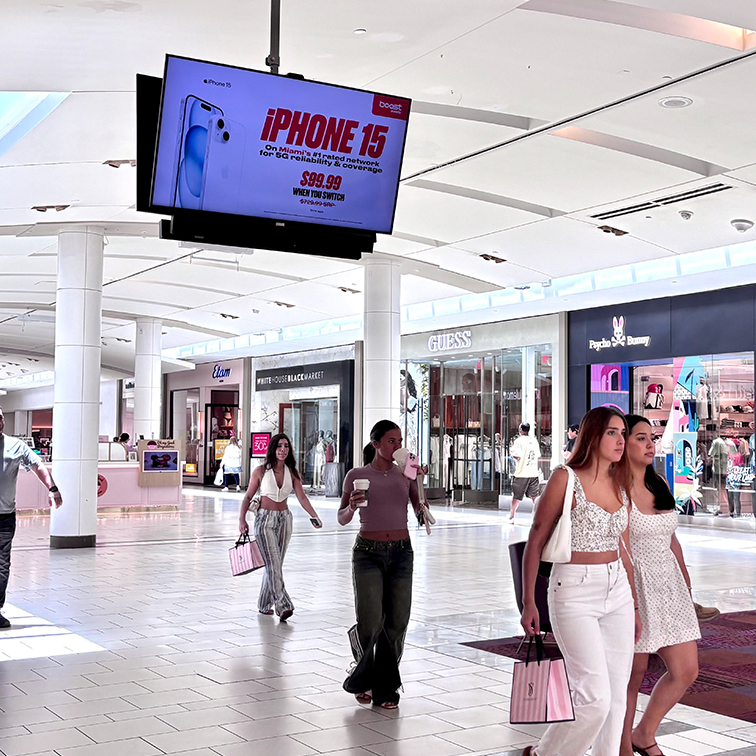
In the world of modern retail, the word “location” has undergone a massive transformation. It used to be a static point on a map your store’s address. Today, location is fluid. It’s about where a person is standing at this exact second, which direction they are walking, and what they are likely to need in the next five minutes.
This is the essence of Hyperlocal Targeting. While traditional mall advertising casts a wide net, hyperlocal strategies allow brands to “whisper” to a specific customer at the precise moment they are ready to act. By narrowing the focus from the entire mall to a specific hallway or storefront, brands are turning passive foot traffic into active buyers.
1. The Digital Handshake: Proximity Marketing
Most shoppers navigate large malls with their smartphones in hand. This creates an opportunity for a “digital handshake.” Through technologies like Bluetooth Beacons and Wi-Fi Triangulation, brands can now recognize when a loyal customer (or a high-intent prospect) is within a few meters of their entrance.
The key to making this feel human rather than intrusive is utility. The Wrong Way: Sending a generic “Buy Now” blast to every phone in the building.
-
The Hyperlocal Way: Notifying a shopper that the item they left in their online cart is currently sitting on a shelf five feet away from them.
When an ad provides a solution to a problem the shopper actually has, it stops being “advertising” and starts being “service.”
2. Geofencing: Creating a Virtual Welcome Mat
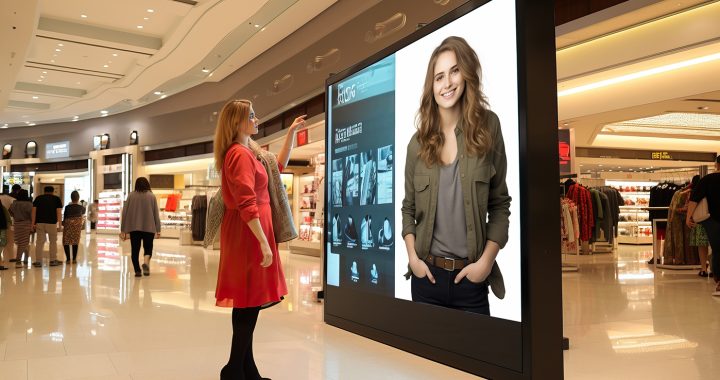
Geofencing allows brands to draw a virtual boundary around specific sections of a mall. When a shopper enters that “fence,” it triggers a tailored experience on nearby digital screens or mobile devices.
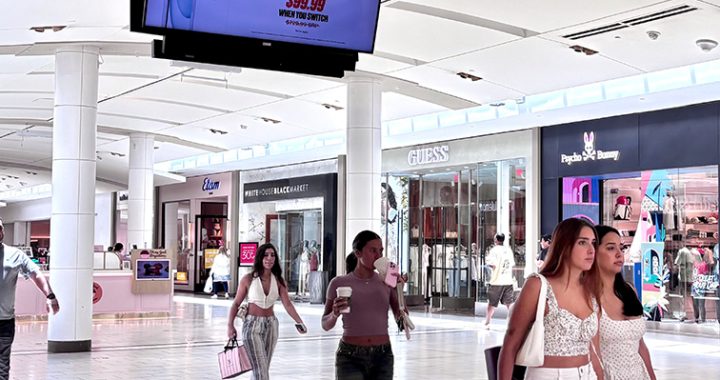
This is particularly effective for Competitive Interception. If a shopper is lingering near a competitor’s store in the North Wing, a nearby digital kiosk can display a compelling reason to visit your store in the South Wing. By understanding the shopper’s immediate context, you can pivot their journey toward your brand before they’ve made a final decision elsewhere.

3. Zonal Context: Speaking the Language of the Wing
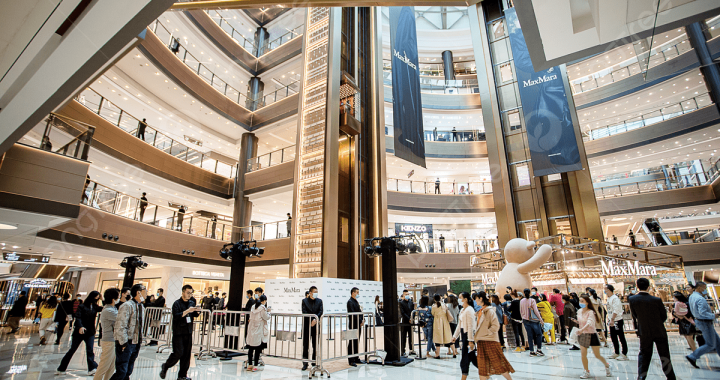
Malls are divided into “micro-neighborhoods,” each with its own energy. The Luxury Wing feels different from the Food Court, which feels different from the Kids’ Play Area. Hyperlocal targeting means your messaging must match the Zonal Context.
-
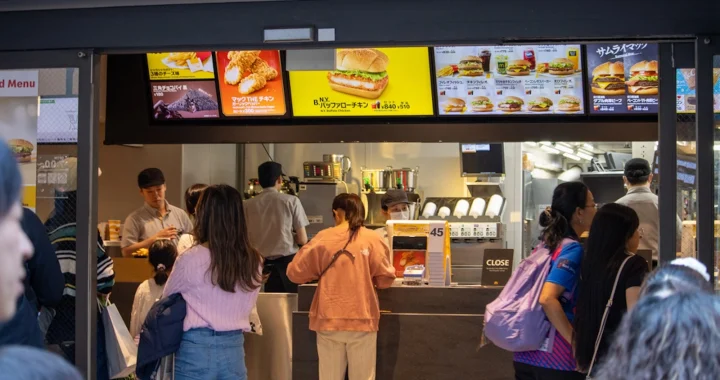
In the Entertainment Zone: Use high-impact screens to promote quick-service snacks or post-movie dining deals.
-
In the Wellness Wing: Focus on comfort, health, and “treat yourself” messaging.
-
At the Entrances: Use navigational cues to guide people toward specific launches or pop-up events.
If your ad looks like it belongs in the environment it’s placed in, the human brain is much more likely to process it as relevant information rather than background noise.
4. Real-Time Urgency: The Power of “Right Now”
One of the most powerful psychological triggers in retail is scarcity. Hyperlocal advertising allows you to use Live Inventory Data to drive immediate action.
Imagine a digital pillar near a popular department store. Instead of a generic brand image, it displays: “Only 4 pairs of these limited-edition sneakers left on Level 2.” This isn’t just an ad; it’s a piece of news. It creates a “Hyper-Urgency” that is grounded in the shopper’s current location. They don’t have to wait for shipping; they just have to walk fifty paces.
5. Bridging the “Parking to Store” Gap
Hyperlocal targeting doesn’t start at the store door it starts in the parking garage. By identifying which entrance a shopper uses, brands can customize the digital displays they see as they enter the mall. If a shopper enters through the “Cinema Gate,” entry gate advertising your ads should prioritize the shops and restaurants closest to that specific path. This reduces the “friction” of the mall experience, making the customer’s journey feel curated and effortless.
Conclusion
The era of “spray and pray” advertising is over. Hyperlocal targeting is the art of being relevant. By reaching the right person, in the right zone, at the moment they are most likely to be searching for a solution, brands can slash their wasted ad spend and significantly boost their ROI.
In a crowded mall, you don’t need to shout the loudest; you just need to be the most helpful voice in the room.