Mall Advertising: Why Shopping Malls Are the New Epicentres of Brand Engagement
3 min read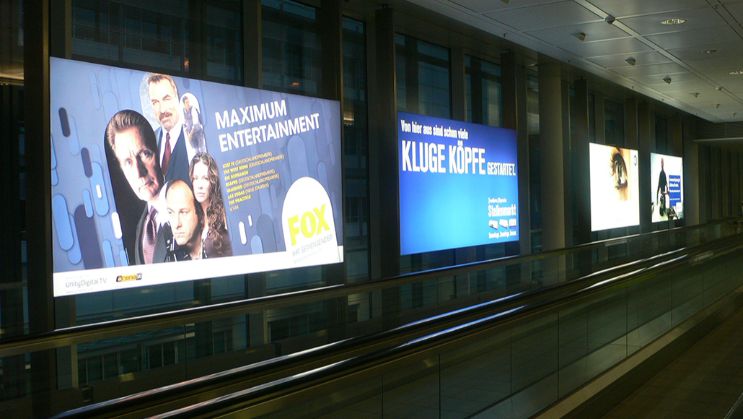
Discover why mall advertising is becoming the epicentre of brand engagement, driving shopper attention, recall, and high-intent conversions in India.
Shopping malls in India have evolved into powerful consumer ecosystems. With rising footfalls, premium retail environments, and a high-spending audience, mall advertising has become one of the most effective ways for brands to build visibility and drive engagement. For advertisers targeting families, young professionals, or premium shoppers, malls offer a unique blend of reach, relevance, and real-time impact.
Malls Attract High-Intent Shoppers Ready to Engage
Mall visitors arrive with a shopping mindset. They are not merely browsing — they are actively seeking products, experiences, and services. This high-intent environment makes mall advertising significantly more impactful than passive outdoor formats.
Shoppers are already primed to explore, compare, and purchase, which increases ad responsiveness and conversion potential.
Controlled Environments Boost Attention and Recall
Unlike streets or highways, malls offer controlled lighting, curated navigation, and clean visual environments. This structure allows brands to display messages without distraction.
Digital screens, atrium banners, standees, and kiosks stand out clearly, helping brands:
-
Capture attention instantly
-
Improve message retention
-
Build stronger top-of-mind recall
Digital Screens Make Mall Advertising More Dynamic Than Ever
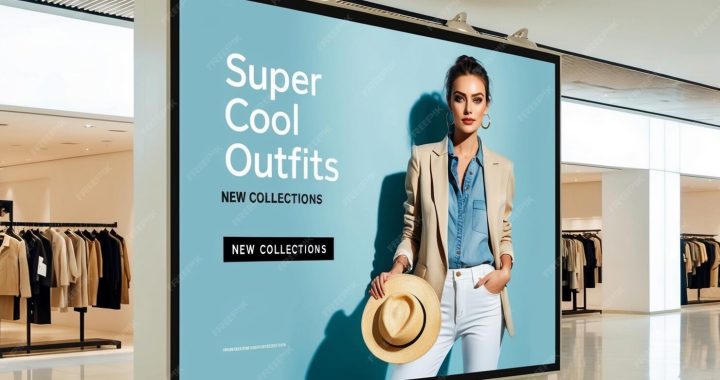
Modern malls have transitioned heavily into DOOH formats. These screens bring motion, colour, and storytelling into the shopper journey.
Brands benefit from:
-
High-frequency looping
-
Premium placement at entries, escalators, and food courts
-
Real-time creative flexibility
-
Eye-catching visual impact
Digital DOOH has transformed mall advertising into a high-energy touchpoint with engaging storytelling potential.
Perfect for Premium, Lifestyle, and High-Aspiration Brands
Malls attract an audience that is ready to spend on lifestyle, fashion, beauty, and electronics. This makes malls the ideal platform for categories like:
-
Apparel & fashion
-
FMCG & beauty
-
Gadgets & electronics
-
Automobiles (internal displays)
-
Home décor & furnishings
-
Premium food & beverages
For luxury brands, malls offer proximity to decision-ready patrons and high-income families.
Multiple Branding Touchpoints Across the Shopper Journey
One of the biggest advantages of mall advertising is its variety of formats. Brands can be visible across:
-
Façade hoardings
-
Atrium dominations
-
Escalator panels
-
Lift lobby frames
-
Food court branding
-
Sampling zones & kiosks
-
Digital screens & LED networks
This provides a 360-degree branding path — from entry to exit.
Interactive Zones Enable Deeper Consumer Engagement
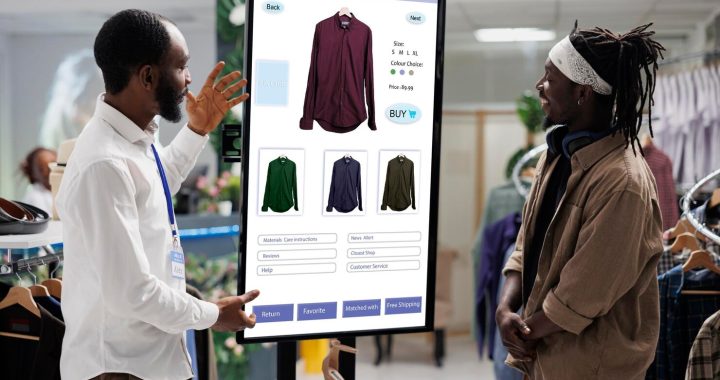
Sampling kiosks, demo zones, VR experiences, and live activations allow brands to go beyond visuals. Engagement-driven formats help shoppers:
-
Try products
-
Interact with brand promoters
-
Explore demos
-
Experience the brand story
This makes mall advertising more immersive than traditional outdoor placements.
Festive Seasons and Weekends Amplify Traffic & Impact
Malls witness peak footfalls during festivals, sales seasons, and weekends. Brands leveraging mall advertising during these periods benefit from:
-
Higher exposure
-
Increased emotional resonance
-
Stronger buying intent
During Diwali, New Year, and wedding seasons, malls become the epicentre of gifting, fashion, and lifestyle purchases.
Mall Advertising Drives Purchase Decisions at the Point of Sale
The biggest advantage of mall advertising is proximity to stores. Shoppers often see an ad and immediately walk to the outlet to purchase.
This instant action loop strengthens:
-
Store footfalls
-
Trial and sampling rates
-
Impulse buying
-
Multi-brand comparisons
Few mediums offer such direct influence on consumer behaviour.
Conclusion: Malls Have Become India’s New Brand Experience Hubs
With rising urban footfalls, premium retail spaces, and tech-enabled formats, malls have emerged as the new epicentres of brand engagement. Whether through digital screens, experiential zones, or strategic placements, mall advertising gives brands the power to influence shoppers at the right moment.
For companies looking to boost visibility, enhance recall, and drive conversions, mall advertising is no longer optional — it is essential.