How to Measure ROI of Mall Branding Campaigns in India
3 min read
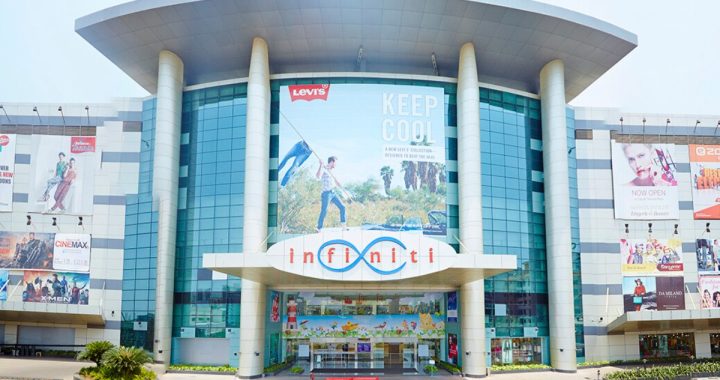
For years, mall branding in India was treated as a “gut-feeling” investment. You’d put up a massive hoarding in DLF Mall of India or Phoenix Marketcity, see the crowds, and assume it was working.
But in 2026, with marketing budgets under the microscope, “assuming” isn’t enough. The Indian retail landscape has become highly digitized, and measuring the ROI of a physical branding campaign now requires a mix of high-tech data and old-school retail math.
If you’re running a campaign in India today, here is how you actually move the needle from “visibility” to “verifiable profit.”
1. The “Footfall Uplift” Metric
The most basic question every brand manager asks is: Did more people walk into my store because of that atrium display?
In India, top-tier malls now use AI-powered CCTV analytics and WiFi/Bluetooth beacons. These tools can track a shopper’s journey anonymously.
-
The Method: Compare your “Baseline Footfall” (average visitors before the campaign) with your “Campaign Footfall.”
-
The India Factor: Indian mall advertising have massive weekend spikes. To get an accurate ROI, you must compare “Holiday-to-Holiday” or “Weekend-to-Weekend” rather than a flat monthly average.

2. Cost Per Verified Visit (CPV)
Move over, CPM (Cost Per Mille). In the physical world, we care about CPV.
-
The Formula: Total Campaign Spend ÷ Incremental Store Visits.
-
If you spent ₹5,00,000 on a month-long branding exercise and saw an extra 2,000 people enter your store, your CPV is ₹250. For a luxury watch brand, a ₹250 CPV is a steal; for a low-margin snack brand, it might be too high. This metric tells you instantly if your mall choice was right for your price point.
3. The “Digital Bridge” (QR & Promo Codes)
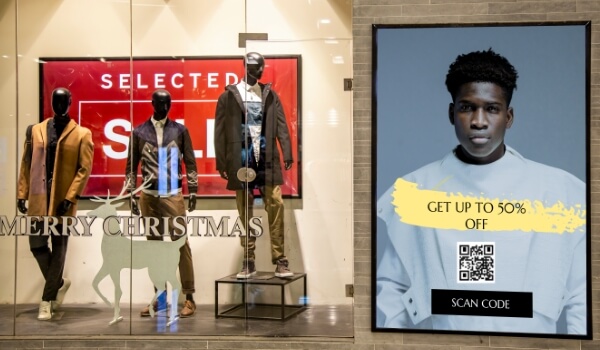
This is the most reliable way to track direct attribution in the Indian market. Indians are now incredibly comfortable with QR codes thanks to the UPI revolution.
-
The Tactic: Every piece of branding—from pillar wraps to lift stickers—should have a unique QR code.
-
The Hook: Offer an “In-Mall Exclusive” discount. When that code is scanned or redeemed at the POS (Point of Sale), you have 100% proof that the branding drove that specific sale.
-
Pro Tip: Use different QR codes for different locations (e.g., one for the food court, one for the main entrance) to see which spot in the mall actually performs best.
4. Sentiment and Brand Lift Surveys
Not all ROI is immediate cash. For a new brand entering the Indian market, Brand Recall is king.
-
The Method: Conduct “Exit Interviews” or digital surveys via the mall’s guest WiFi. Ask shoppers: “Which brands do you remember seeing today?” * If 40% of shoppers mention your brand without prompting, your “Share of Mind” is high, which predicts long-term sales growth even if they didn’t buy something that specific day.

5. Social Media “Earned Media Value”
In India, if it isn’t on Instagram or an Aesthetic Reel, did it even happen?
-
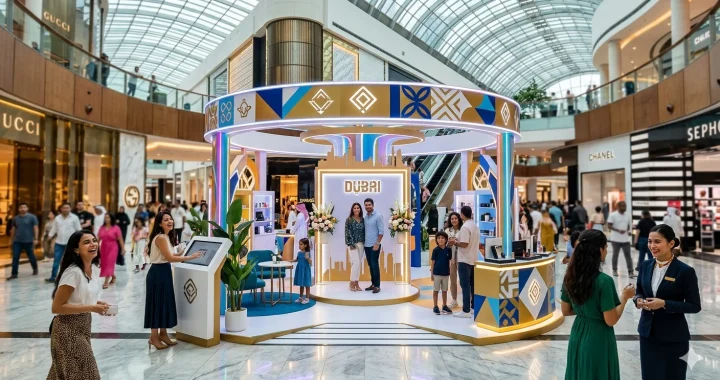
The Metric: Track the spike in location-tagged posts and mentions during the Campaigns in Malls.
-
The Calculation: Assign a dollar value to the reach you got from shoppers posting your “Instagrammable” installation. If 100 micro-influencers post your display to their 5,000 followers, that’s 500,000 impressions you didn’t have to pay for.
The “Hidden” ROI: Tenant Leverage
In the Indian retail context, branding isn’t just for shoppers; it’s for the mall developers.
-
Strong in-mall branding shows the developer you are a “serious” anchor tenant. This can lead to better lease terms, prime store locations, or participation in exclusive mall-wide festivals (like Diwali or End of Season Sales). This “Strategic ROI” is harder to put in a spreadsheet but vital for long-term survival.