Phygital Advertising in Malls: Blending Physical Media with Digital Experiences
4 min read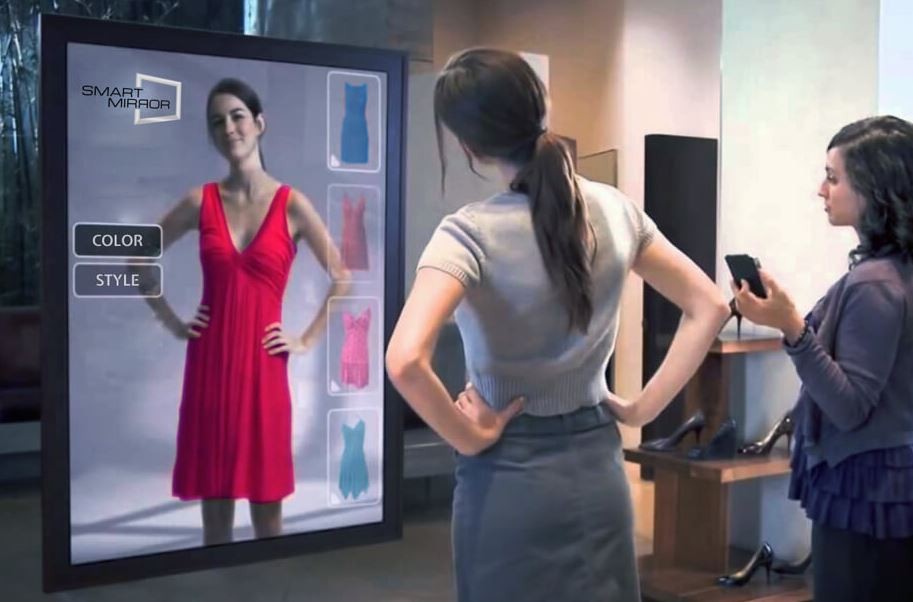
For a long time, “physical” and “digital” were two different departments in a marketing team. But as we move through 2026, those walls have crumbled. In modern Indian malls from DLF Avenue to Phoenix Marketcity we are seeing the rise of Phygital Advertising.
This isn’t just about putting a TV screen in a hallway. It’s about creating a “loop” where a physical object in the mall triggers a digital experience on your phone, and vice versa. It is immersive, interactive, and, most importantly, it actually feels like the future.
1. The Death of the “Static” Banner
In the phygital era, a banner is no longer just a piece of printed vinyl; it is a portal. High-impact brands are now using WebAR (Web-based Augmented Reality) integrated into their physical displays.
You don’t need to download a clunky app anymore. You simply point your phone at a physical “anchor” on a mall pillar advertising, and suddenly, the flat image comes to life. A shoe ad might show a 3D model of the sneaker floating in front of you, or a movie poster might launch a mini-game where you fight villains in the mall corridor. By making the physical ad “playable,” brands are seeing engagement times jump from 2 seconds to over 2 minutes.
2. “Lift and Learn” Interactive Kiosks
One of the coolest phygital strategies appearing in 2026 is the IoT-enabled display table. Imagine a beautiful wooden table in a mall atrium featuring five different smartphones or perfumes.
The moment you pick up a physical product (the “Lift”), a giant digital screen behind the table instantly changes to show the specs, price, and real-time customer reviews for that specific item. This blends the “tactile” need to touch a product with the “informational” wealth of the internet. It removes the friction of searching for info on your own and keeps you locked into the brand experience.
3. Smart Mirrors and Virtual Try-Ons
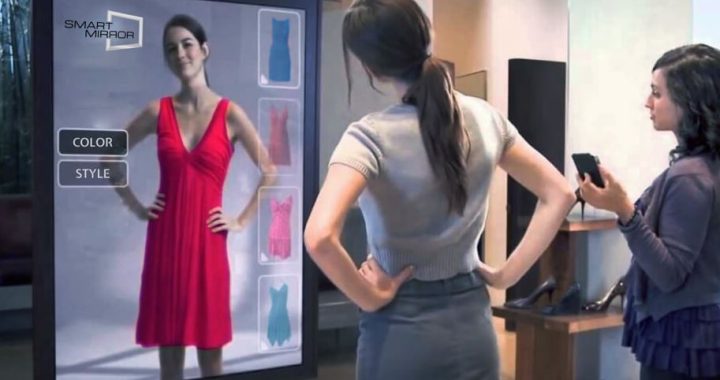
Fashion and beauty brands have fully embraced the phygital mirror. Located at entry points or near store windows, these high-def “mirrors” use AI to overlay clothing or makeup onto your reflection.
You can “try on” ten different lipsticks or three winter jackets in sixty seconds without ever stepping into a changing room. These mirrors often come with a “Send to Phone” button, allowing you to save your look and share it on social media. The mall provides the physical space, and the digital overlay provides the convenience, turning a passerby into a high-intent lead.

4. Real-Time Geofencing and “Push” Incentives
Phygital advertising is also about proximity. Modern malls are equipped with Bluetooth Beacons and Ultra-Wideband (UWB) tech that can locate a user within centimeters.
If you’ve been standing near a luxury watch display for more than 30 seconds, the phygital system can trigger a personalized “push notification” to your phone: “Hey, we saw you eyeing the new Chronograph. Come inside for a private viewing and a complimentary coffee.” This is the end of “interruption” marketing and the beginning of “context” marketing—giving you exactly what you want, exactly where you are.
5. Gamified Footfall: The Digital Scavenger Hunt
To increase dwell time across the entire mall, brands are launching phygital scavenger hunts. You might start by scanning a code at the entrance, which gives you a digital “map.” To win a prize, you have to visit five physical brand touchpoints across different floors.
Each time you reach a physical location (like a specific kiosk or a window display), your digital map “checks in” via GPS. This strategy effectively “gamifies” the mall experience, turning a boring shopping trip into an adventure while ensuring the brand gets maximum physical exposure.
6. The “Digital Twin” and Blockchain Rewards
Premium brands are now offering Digital Advertising of physical purchases. If you buy a limited-edition sneaker in the mall, you also receive an NFT version for your digital avatar in a metaverse or game.
This phygital bridge adds massive value to a physical purchase. The ad in the mall doesn’t just sell you a product; it sells you a “dual-life” asset. It connects the physical act of shopping in a mall to the digital lifestyle that most Gen Z and Alpha consumers live today.
Conclusion: The Best of Both Worlds
Phygital advertising works because it acknowledges the truth of 2026: we live in two worlds at once. We want to touch, feel, and socialise in the physical mall, but we also want the speed, data, and “cool factor” of the digital world. By blending the two, brands aren’t just showing an ad they are building an ecosystem that is impossible to scroll past.