The Psychology of Window Shopping and Brand Recall Inside Shopping Malls
3 min read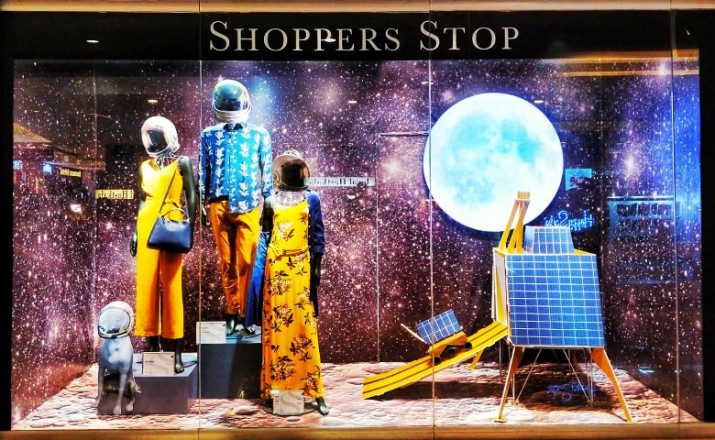
We’ve all done it. You walk into a mall to “kill time” before a movie or to meet a friend for coffee. You have zero intention of shopping. Yet, you find yourself slowing down in front of a Zara window or staring at a new gadget behind a glass pane. You walk away without spending a rupee, but somehow, that brand is now stuck in your head.
This isn’t an accident. Malls are essentially giant memory machines designed to bypass your “rational” brain and talk directly to your subconscious. Here is how the psychology of window shopping actually works.
1. The “Off-Guard” Advantage
When you’re scrolling through Instagram or searching on Amazon, you’re on high alert for ads. You’ve trained your brain to skip, scroll, and ignore. But inside a mall advertising, your guard is down. You’re in a “leisure mindset.”
Because you aren’t actively trying to avoid being sold to, window displays feel like entertainment. You stop to look at a beautifully lit mannequin because it looks cool, not because you need a shirt. This “relaxed state” is exactly when your brain is most likely to store a brand’s image for later. It’s the ultimate “Trojan Horse” of marketing.
2. The Science of “Visual Priming”
Retailers don’t just put clothes in a window; they build a vibe. They use lighting, specific colors, and even the amount of “empty space” to tell your brain who they are.
-
A luxury brand leaves a lot of empty space around one single bag. Your brain reads that as “expensive” and “exclusive.”
-
A tech brand uses bright, white, clinical lighting. Your brain reads that as “innovative” and “clean.”
Even if you don’t enter the store, the “seed” is planted. Two weeks later, when you see that same logo on a website, your brain gives you a little hit of dopamine because it recognizes something familiar. In marketing, familiarity feels like trust.

3. Sensory Overload (The Good Kind)
Malls are one of the few places left where brands can hit all five of your senses at once. Online, you only have sight and sound. In a mall, you have:
-
The Scent: Most big brands have a “signature smell” pumped into the air near their entrance.
-
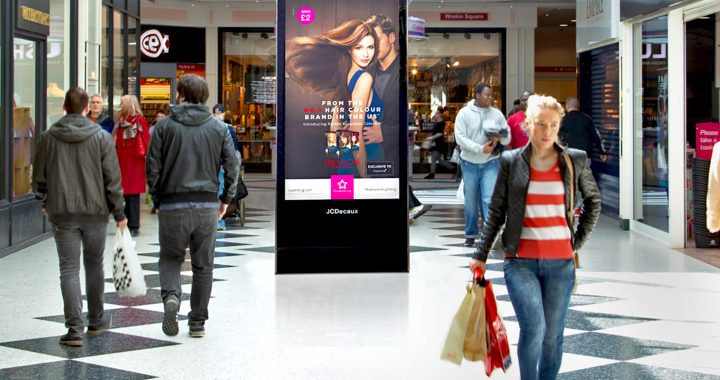
The Scale: Seeing a 10-foot tall high-def screen makes a brand feel “big” and “successful” in a way a phone screen never can.
-
The Sound: That specific bass-heavy track leaking from a sports store stays with you.
This multisensory experience creates a much deeper “neural anchor” in your memory. You might forget a digital ad in five seconds, but you’ll remember the feeling of walking past a flagship store for days.
4. The “Mirror Neuron” Effect
This is the real “magic” of window shopping. When you see a mannequin styled in a way that you find attractive, your “mirror neurons” fire. Your brain actually starts simulating what it would be like to be that person.
You aren’t just looking at a jacket; you are mentally rehearsing a version of yourself that is more stylish or successful. Once you’ve “practiced” being that person in your head, the brand is no longer a stranger. It’s now part of your “ideal self.”
5. High Frequency and Social Proof
Think about how many times you pass the same store in a single mall trip. You see it when you walk in, when you head to the food court, and when you leave. This repetition happens while you’re seeing other people socially successful people doing the same thing.
If you see a crowd gathered around a new Apple or Tesla display, your brain flags that brand as “important” and “socially validated.” We are social creatures; if the group likes it, our brain tells us we should remember it too.
Conclusion: The “Invisible” Sale
Window shopping is never actually “just looking.” It’s a silent conversation between a brand and your subconscious. By the time you actually decide you need a new pair of shoes or a phone, the decision has usually already been made not by your wallet, but by the memories you collected while you were “just killing time” at the mall.