Retail Media Inside Malls Turning Footfall into Instant Sales
3 min read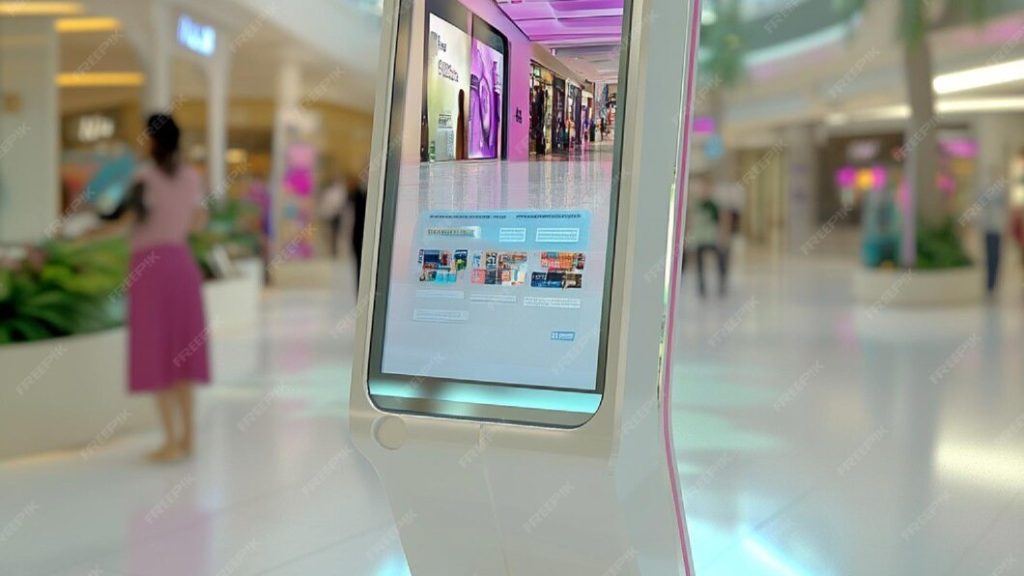
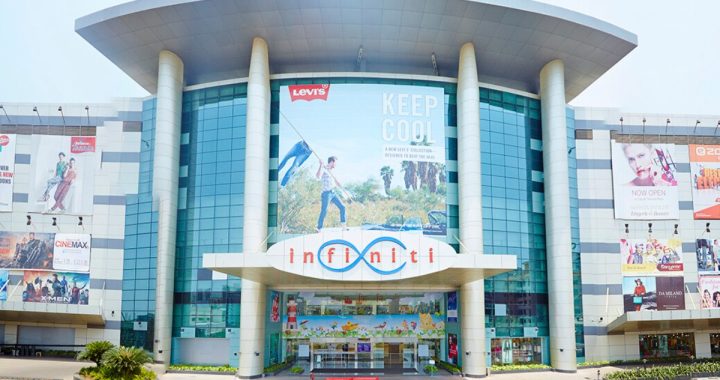
In 2026, a trip to the mall is less about “window shopping” and more about “experience-led conversion.” As digital ad costs on Instagram and Google skyrocket, brands are realizing that the most profitable real estate isn’t online it’s the physical airspace of a premium shopping center.
1. The Power of “High-Intent” Proximity
Unlike a TV ad that catches you while you’re relaxing at home, Mall Advertising hits you when your “buying intent” is at 100%. When a shopper sees a high-definition digital pillar ad for a new fragrance while standing on an escalator, the mental friction of buying is almost zero.
By strategically placing brand messages at key decision points elevators, food courts, and store-front corridors retailers are essentially creating a “digital breadcrumb trail” that leads directly to their cash counter.

2. Interactive Signage: The “Silent Salesman”
Gone are the days of static posters. Modern Retail Media Inside Malls now uses AI-driven digital screens. These aren’t just displays; they are interactive kiosks that can:
-
Trigger Flash Sales: A screen near the atrium can announce a “Next 30 Minutes Only” discount, driving a sudden surge of footfall to a specific store.
-
Offer Wayfinding with a Twist: When a shopper looks up a store on a digital map, the system can offer an instant mobile coupon to that exact shop, bridging the gap between “finding” and “buying.“
3. The “Phygital” Bridge: QR Codes & Instant Gratification
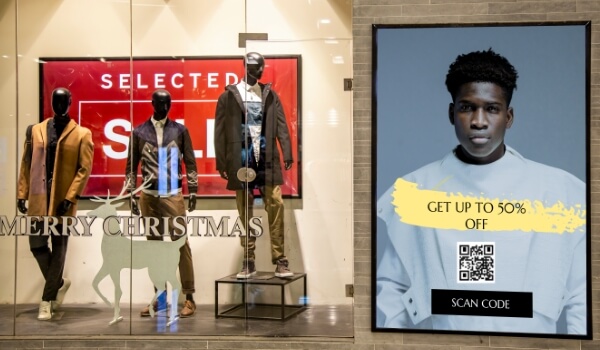
In 2026, the QR code has become the ultimate conversion tool inside Indian malls. Shoppers are now accustomed to scanning digital screens to unlock “In-Mall Exclusive” deals. This creates a powerful Phygital (Physical + Digital) loop. A brand like Nykaa or Samsung can track a shopper from the moment they scan a corridor ad to the moment they swipe their card in-store, providing the kind of ROI data that was once only possible online.
4. Dominating the “Dwell Time”
The average Indian family spends 3 to 4 hours inside a mall during weekends. A large portion of this is “dwell time”—waiting for food, sitting in common areas, or lingering near cinema halls. Retail media takes advantage of this “idle brain” state. High-impact video walls and 3D anamorphic displays turn a boring wait into a brand experience. Because the consumer isn’t in a rush to “scroll past,” the message sinks deeper, leading to much higher brand recall.

5. Data-Driven “Zoning”
Hyperlocal Targeting in Mall Advertising are no longer treated as one giant box. Marketers now use Heatmap Data to place ads.
-
The Luxury Zone: High-end watch and fashion brands saturate the ground floor.
-
The Tech Hub: Gadget and EV brands dominate the areas near anchor electronics stores.
-
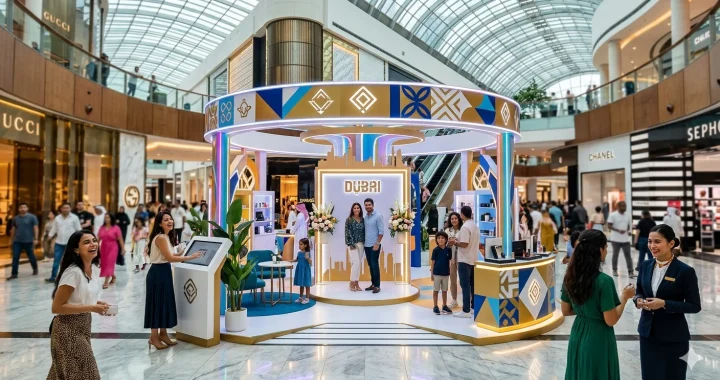
The Family Floor: Toy and kids’ wear brands use interactive floor stickers and lower-level digital screens. This “Zoning” ensures that the ad spend isn’t wasted on the wrong demographic.
Conclusion
The mall is the original search engine, and the corridors are the new “front page.” By leveraging Retail Media Inside Malls, brands are successfully cutting through the digital noise and meeting the customer at the exact moment of truth. In 2026, the brands winning the retail war aren’t just those with the best products, but those that own the journey from the parking lot to the billing desk.