Retail Store Collaboration: How Brands Use Mall Partnerships for Co-Branding
3 min read
Discover how retail store collaboration and mall partnerships help brands boost visibility, drive sales, and strengthen co-branding through strategic in-mall promotions, pop-ups, and experiential marketing.
In today’s competitive retail landscape, retail store collaboration has become a powerful growth strategy. Brands partnering with malls gain instant visibility, access to massive footfall, and opportunities to co-create meaningful customer experiences. As malls evolve into lifestyle destinations, these partnerships help brands stand out, attract new customers, and build a stronger brand personality.
1. Why Retail Store Collaboration Matters Today
Retail store collaboration offers benefits that traditional advertising can’t match. Not only does it place brands in high-footfall environments, but it also allows them to integrate directly into consumer shopping journeys.
Brands use mall partnerships to:
-
Strengthen brand recall
-
Drive impulse purchases
-
Enable experiential engagement
-
Reach high-intent shoppers in real time
This is why malls are becoming the new “experience hubs” for brand marketing.
2. Mall Partnerships Offer High-Value Co-Branding Opportunities
A mall is no longer just a marketplace—it’s a branding ecosystem. Retail store collaborations inside malls allow brands to align themselves with the mall’s premium positioning, which boosts credibility.
Common co-branding opportunities include:
-
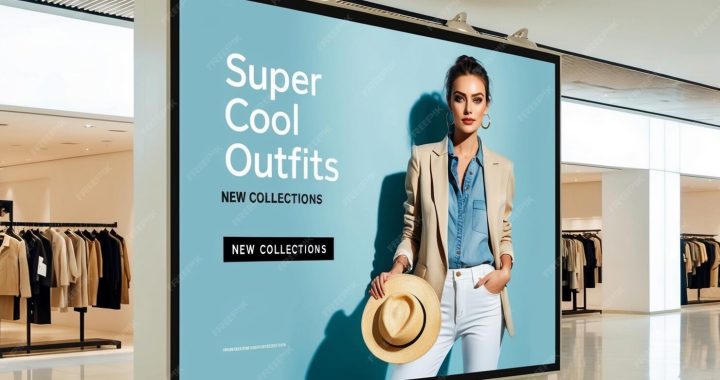
Digital screens and in-mall DOOH branding
-
Standee and kiosk placements
-
Co-branded events and exhibitions
-
Product trials and live demos
-
Joint seasonal campaigns (festive sales, launches, etc.)
For brands, this creates a halo effect—audiences associate them with the mall’s trust and lifestyle appeal.
3. Pop-Up Stores: The Most Effective Retail Store Collaboration Format
Pop-ups have become a favorite for brands looking to test markets or launch new collections. With short-term commitments and high engagement, pop-ups offer:
-
Lower investment compared to full retail stores
-
Better brand storytelling
-
Direct customer interaction
-
Social media buzz and influencer involvement
D2C brands use pop-ups to bridge the online-offline gap, while established brands use them for limited-edition launches.
4. In-Mall Events and Activations Boost Engagement
Mall activations deliver strong engagement because shoppers are already in a leisure mindset. Retail store collaboration often includes:
-
Interactive product experiences
-
Workshops and live tutorials
-
Sampling campaigns
-
Celebrity or influencer appearances
-
Festival-specific collaborations
These experiences turn passive shoppers into active participants—leading to higher conversions.
5. Co-Marketing and Joint Promotions Increase Brand Reach
Retail store collaboration inside malls often extends to co-marketing with:
-
Multiplexes
-
Food courts
-
Anchor stores
-
Entertainment zones
This helps brands gain wider visibility across the shopping ecosystem. Examples include:
-
Movie tie-in promotions
-
Food brand x fashion brand combos
-
Mall-wide discount festivals
-
Cross-store loyalty benefits
Such partnerships strengthen brand recall and encourage repeated visits.
6. Visual Branding Through Mall Media Enhances Impact
Malls offer a rich mix of advertising formats, and brands leverage them to reinforce their presence. These include:
-
Digital billboards
-
Escalator panels
-
Entrance arch branding
-
Parking area advertising
-
Lift door wraps
-
Store façade takeovers
The seamless integration of store branding with mall media creates a strong, unified visual identity.
7. Retail Store Collaboration Helps D2C Brands Enter Offline Markets
For online-first companies, mall partnerships provide the perfect platform to meet customers physically. Retail store collaboration helps them:
-
Build trust
-
Enable product trials
-
Increase repeat purchases
-
Understand customer behavior
-
Validate offline expansion plans
This hybrid approach accelerates brand growth.
Conclusion
Retail store collaboration has become a key strategy for brands that want high visibility, deeper engagement, and stronger co-branding opportunities. Mall partnerships allow brands to interact with customers at the right place and right moment—making them a powerful tool for marketing, sales, and brand building.