Why Shopping Malls Are Emerging as Powerful Advertising Hubs for Brands
3 min read
In today’s Indian retail scene, the shopping mall has shed its skin. It is no longer just a row of stores where you go to tick off a shopping list; it has become India’s new “town square.” For brands, this means the old playbook of putting up a discount banner and waiting for shoppers to walk in is officially dead.
If you’re wondering why malls are suddenly the hottest advertising property in the country, here’s the real story written from the perspective of how people actually shop and spend time today.
The Death of the “Quick Trip”
The biggest change we’ve seen recently is the rise of Dwell Time. A few years ago, people went to the mall, bought what they needed, and left. Today, between high-end “Instagrammable” cafes, massive gaming zones, and even permanent museums (like Toyota’s new experiential space in Bengaluru), a mall visit has become a three-hour outing.
What this means for promotions: You aren’t competing for a customer’s wallet; you’re competing for their time. Brands that are winning aren’t just selling; they are entertaining. Think of it as “Retail-tainment.” If you can get a family to spend 10 minutes at your interactive kiosk or photo booth, you’ve done more for your brand than a thousand digital advertising impressions ever could.
The “Phygital” Reality
We often hear that online shopping is killing malls, but the data tells a different story. There is a massive “Halo Effect” happening right now. When a brand runs a high-impact activation in a premium mall, their online orders in that specific pin code usually see a 20-30% spike.
The mall has become the ultimate “Showroom.” Shoppers use the physical space to build trust—to touch the fabric, test the gadget, or see the true color of a lipstick—and then they feel comfortable enough to hit “Buy Now” on their phones later that night. Your mall promotion is the spark that starts the digital transaction.
Beyond the Metros: The Tier-2 Surge
If you think the action is only in Mumbai or Delhi, you’re missing the biggest growth engine. Cities like Lucknow, Jaipur, and Indore are seeing a “leasing renaissance.” In these cities, the mall is the undisputed center of social life.
For a brand, a campaign in a Tier-2 mall isn’t just advertising; it’s a statement of status. These shoppers are aspirational and highly receptive to brand stories. They don’t just want a product; they want to be part of the brand’s world.
The Rise of “Mood-Based” Advertising
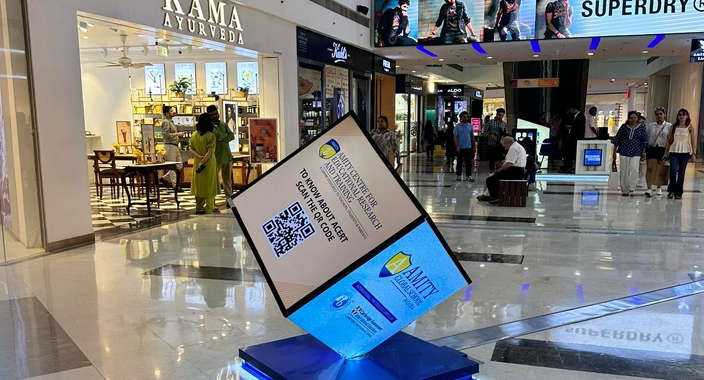
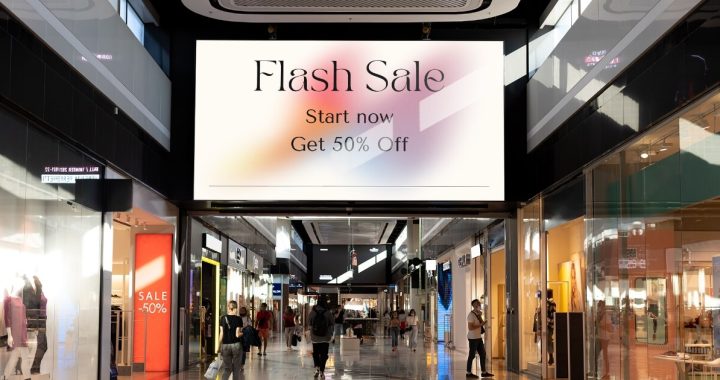
Smart malls are now using DOOH (Digital Out-of-Home) screens that are context-aware. Imagine a screen that promotes chilled beverages when the temperature outside hits 40°C, or switches to promoting cozy hoodies the moment it starts raining.
This isn’t just clever tech; it’s about meeting the customer’s immediate “mood.” By aligning your promotion with the customer’s physical environment, you move from being an “annoying ad” to being a “helpful solution.”

Why Brands are Double-Downing on Malls:
-
Unskippable Presence: You can’t use an ad-blocker on a 40-foot atrium installation.
-
Captive Audience: Shoppers in a mall are already in a “spending” mindset. They have their credit cards ready and their guards down.
-
Social Proof: A visually stunning mall setup becomes a “content factory.” Customers take selfies, post them on Instagram, and give you free, authentic promotion to their entire network.
Conclusion
In 2025 and beyond, the Indian mall branding is a media channel. It’s the only place where you can reach a high-income audience, engage their senses, and drive both offline and online sales at the same time. If your brand isn’t “on stage” at the mall, you’re missing out on the most emotional connection you can make with a customer.