Why Brands Are Buying Routes Instead of Billboards??
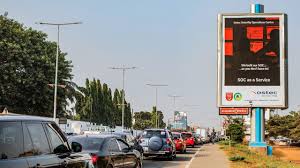
The Evolution of Outdoor Advertising
For decades, outdoor advertising success was measured by securing the biggest billboard at the busiest intersection. While prime locations still matter, consumer behavior has changed dramatically. Today’s audiences move through multiple environments every day, interacting with cities through roads, public transport systems, commercial districts, airports, and shopping destinations.
As a result, leading brands are shifting their focus from isolated advertising locations to complete consumer journeys. Instead of investing in a single high-profile billboard, they are creating connected campaigns that follow consumers throughout their daily routines.This strategy is giving rise to a new era of OOH planning known as journey-based advertising.

Why One Billboard Is No Longer Enough
Consumers rarely make decisions after seeing a single advertisement. Most purchasing decisions are influenced by multiple exposures over time. A single billboard may create awareness, but repeated visibility across a journey strengthens memory and trust.
Imagine a commuter who sees the same brand message on a roadside billboard, a metro station display, a transit shelter, and a digital screen near a shopping destination. Each touchpoint reinforces the previous one, creating a seamless brand experience.This repeated exposure increases familiarity and improves the likelihood of consumer action when purchase opportunities arise.
The Power of Route Ownership
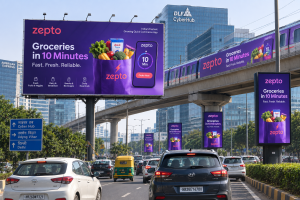
Route ownership focuses on dominating an entire travel corridor rather than a single advertising asset. Brands strategically place advertisements across multiple locations that consumers encounter during their daily movement.
These routes may include highways, metro networks, railway stations, airports, office districts, residential communities, shopping streets, and retail hubs. By maintaining a consistent presence across the entire route, brands create continuous engagement rather than one-time exposure.
The result is higher brand recall, stronger awareness, and greater campaign effectiveness.
How Journey-Based Advertising Influences Consumer Behavior
People spend a significant portion of their day moving between destinations. During these journeys, they encounter numerous opportunities to absorb brand messaging.
Journey-based advertising aligns with natural consumer behavior. Instead of interrupting audiences, it integrates into everyday movement patterns. This creates a less intrusive and more memorable advertising experience. Brands that appear consistently throughout a consumer’s route often achieve greater recognition compared to competitors relying on isolated placements.
The Future of OOH Media Planning
Advancements in mobility data, audience analytics, and location intelligence are making route-based advertising more precise than ever before. Advertisers can now identify high-frequency travel corridors and design campaigns around actual consumer movement. As cities become increasingly connected, route ownership will become one of the most valuable strategies in outdoor advertising. The focus will shift from measuring individual billboard performance to evaluating the effectiveness of entire consumer journeys.