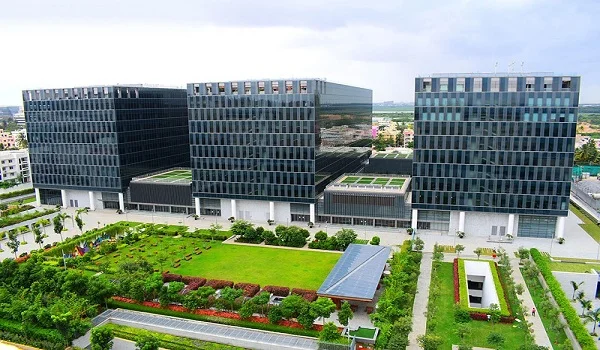

Digital Advertising Evolution Tech Park Brands reflects a significant shift in how technology campuses promote their value propositions. As media channels evolve, tech parks increasingly adopt advanced advertising frameworks.
Programmatic buying, digital out-of-home (DOOH), and integrated media planning now influence branding decisions. These tools allow parks to communicate more precisely with enterprises, startups, and talent communities.
As a result, promotion strategies have become smarter and more outcome-driven.
Shift Toward Programmatic Media Planning
Programmatic advertising has transformed campaign execution. Automated buying enables real-time optimisation and audience targeting.
Tech parks benefit by reaching decision-makers based on professional behaviour and location intelligence. Messaging becomes more relevant and timely.
Therefore, programmatic platforms improve efficiency and reduce media wastage.
Growing Role of DOOH in Tech Park Promotion
Digital out-of-home media has gained strong momentum. Screens in business districts, airports, transit hubs, and corporate zones offer high-impact visibility.
For tech parks, DOOH provides flexibility. Campaigns can change by time, event, or audience profile.
This dynamic capability supports modern branding objectives.
Integration of Online and Offline Channels
Tech park branding increasingly blends digital and physical media. Online campaigns drive awareness, while DOOH reinforces recall in real-world environments.
QR codes, mobile retargeting, and location-based ads connect both touchpoints. This integrated journey improves engagement continuity.
Consequently, branding becomes cohesive rather than fragmented.
Data-Driven Messaging and Measurement
Digital advertising evolution places data at the centre of planning. Tech parks now track impressions, engagement signals, and conversion pathways.
Analytics help refine messaging based on audience response. Over time, campaigns become more efficient and predictable.
This data-led approach strengthens strategic decision-making.

Brand Storytelling Through Digital Formats
Modern advertising supports richer storytelling. Video, motion graphics, and interactive creatives allow tech parks to communicate ecosystem value.
Instead of promoting square footage alone, parks highlight innovation culture, sustainability, and community.
This narrative-driven approach builds emotional connection.
Targeting Enterprises, Startups, and Talent
Tech parks cater to diverse stakeholders. Digital advertising enables segmented communication.
Campaigns can separately address:
-
Global enterprises
-
Startup founders
-
Investors and partners
-
Skilled professionals
Such segmentation improves message relevance and perception.
Improved Agility and Campaign Control
Unlike static media, digital platforms allow rapid updates. Tech parks can align messaging with events, launches, or leasing phases.
This agility supports timely communication and market responsiveness.
As a result, branding stays current.
Impact on Long-Term Brand Equity
Consistent digital presence improves brand recall. Integrated media strategies ensure repeated exposure across platforms.
Over time, tech parks establish strong identity within innovation ecosystems. This visibility supports tenant attraction and partnership building.
Thus, advertising becomes a long-term investment.
Future Outlook for Tech Park Promotion
As media technologies mature, tech park branding will rely more on automation and insights. Personalised messaging and omnichannel planning will become standard.
The focus will remain on relevance rather than reach. Tech parks that adapt early gain competitive advantage.
Digital evolution will continue shaping promotion frameworks.
Conclusion
Digital Advertising Evolution Tech Park Brands demonstrates how programmatic, DOOH, and integrated media now influence visibility and positioning. These tools allow smarter targeting, stronger storytelling, and measurable outcomes.
As competition within innovation ecosystems intensifies, tech parks must embrace modern advertising models. Those that align with evolving media trends will remain prominent within the digital economy.