
Tokyo’s Premier Tech Parks stand at the intersection of robotics, electronics, and smart city innovation. As Japan’s capital and one of the world’s most advanced urban economies, Tokyo has consistently shaped the future of technology-driven living. Today, its tech parks and innovation districts bring together global electronics giants, robotics labs, AI researchers, and urban planners. As a result, Tokyo has become a living laboratory where next-generation technologies scale seamlessly into everyday life.
Why Tech Parks Are Central to Tokyo’s Innovation Model
Tokyo’s approach to tech parks differs from many global hubs. Instead of focusing only on startups, these parks integrate multinational corporations, research institutions, and government-led smart city initiatives. Consequently, innovation is not limited to experimentation. Instead, technologies move quickly from concept to mass adoption. Moreover, Tokyo’s dense infrastructure and advanced public systems allow real-world testing at city scale. Therefore, Japan’s tech parks play a critical role in shaping future urban environments.

Key Tech Parks Driving Tokyo’s Robotics and Smart City Ecosystem
Odaiba – Smart City Innovation on the Waterfront
Odaiba represents Tokyo’s most visible smart city innovation zone. Located on Tokyo Bay, it hosts advanced robotics showcases, AI-driven mobility solutions, and smart infrastructure pilots. Additionally, global technology firms and research labs operate within the district. Because of its open urban layout, Odaiba serves as a testing ground for autonomous transport, service robots, and digital public services. As a result, it has become a symbol of Tokyo’s future-ready urban planning.
Roppongi Hills – Urban Tech Meets Global Business
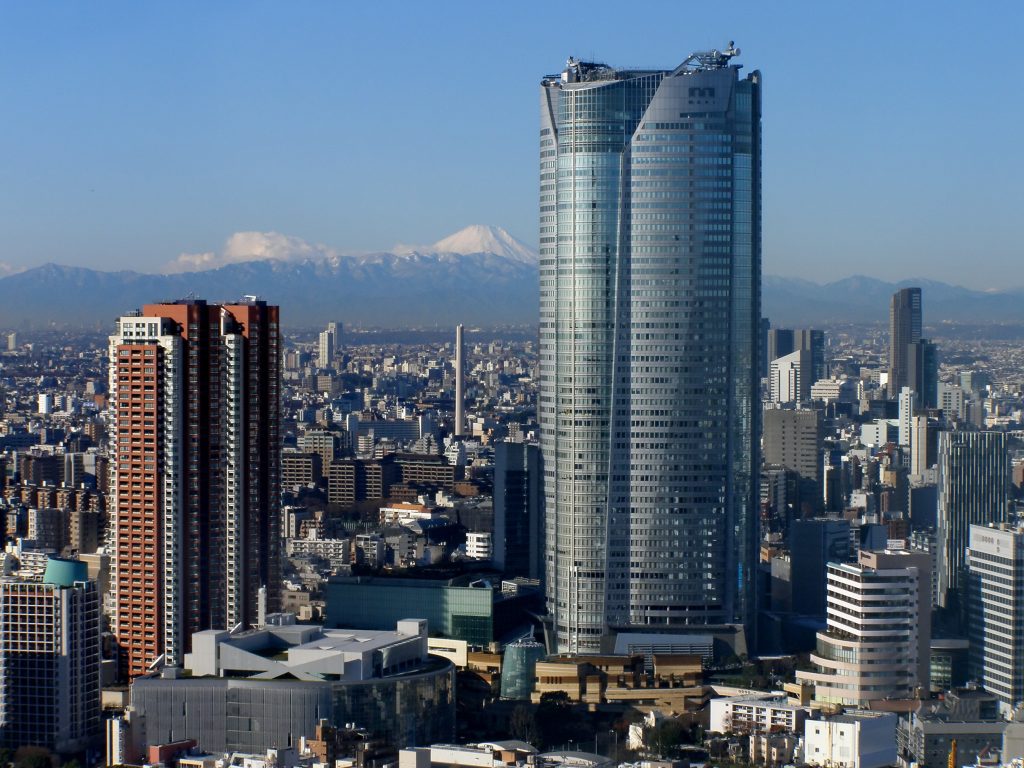
Roppongi Hills blends corporate headquarters, innovation centers, and lifestyle infrastructure in a single vertical city. It attracts global technology firms, media companies, and AI-driven startups. Furthermore, its proximity to international business districts supports cross-border collaboration. Therefore, Roppongi Hills plays a vital role in connecting Tokyo’s technology ecosystem with global markets.
Tokyo Midtown – Design, Electronics, and Digital Innovation
Tokyo Midtown functions as a hub for electronics, design technology, and digital innovation. Major electronics firms and R&D teams operate from this district. In addition, collaborations between designers, engineers, and product teams encourage rapid prototyping. Consequently, Tokyo Midtown supports innovation that combines hardware excellence with user-centric design.
Tsukuba Science City – Japan’s Research and Robotics Backbone
Located near Tokyo, Tsukuba Science City is one of the largest research parks in the world. It hosts hundreds of public and private research institutions focused on robotics, electronics, materials science, and AI. Moreover, strong government support ensures long-term research funding. As a result, Tsukuba acts as a critical pipeline feeding advanced technologies into Tokyo’s commercial tech parks.
Shinagawa – Mobility, IoT, and Smart Infrastructure
Shinagawa has rapidly emerged as a technology-forward business district. Known for its focus on mobility solutions, IoT platforms, and smart infrastructure, the area benefits from major transport connectivity. Additionally, startups and global enterprises collaborate closely here. Hence, Shinagawa plays an important role in scaling smart city technologies across Tokyo.

How Tokyo Tech Parks Enable Large-Scale Innovation
Robotics and Automation Leadership
Tokyo’s tech parks benefit from Japan’s deep expertise in robotics and automation. Since manufacturing, healthcare, and service robots are national strengths, innovation moves quickly from labs to real-world deployment. Therefore, Tokyo leads in practical robotics adoption.
Electronics Excellence and Precision Engineering
Japan’s electronics legacy continues to shape Tokyo’s innovation ecosystem. Tech parks here support semiconductor components, sensors, and advanced hardware development. As a result, Tokyo remains a global benchmark for quality-driven technology.
Smart City Integration
Unlike many cities, Tokyo integrates innovation directly into urban systems. Smart energy grids, AI traffic management, and connected public services are tested and scaled locally. Consequently, tech parks function as extensions of the city itself.

Global Influence of Tokyo’s Tech Parks
Technologies developed in Tokyo increasingly influence global smart city and robotics standards. From industrial automation to consumer electronics, Tokyo-based innovation shapes worldwide supply chains. Additionally, cities across Asia and Europe study Tokyo’s tech parks as models for sustainable, technology-led urban growth.
Conclusion: Tokyo’s Vision for the Future City
In conclusion, Tokyo’s Premier Tech Parks demonstrate how robotics, electronics, and smart city technologies can coexist at massive scale. By integrating research, enterprise innovation, and urban infrastructure, Tokyo continues to define the future of intelligent cities. As global demand for automation and smart living accelerates, Tokyo will remain a leading force shaping how technology enhances everyday life.