Bengaluru — KSR Bengaluru City & Yeshwanthpur Railway Station OOH: long-dwell impact media
5 min read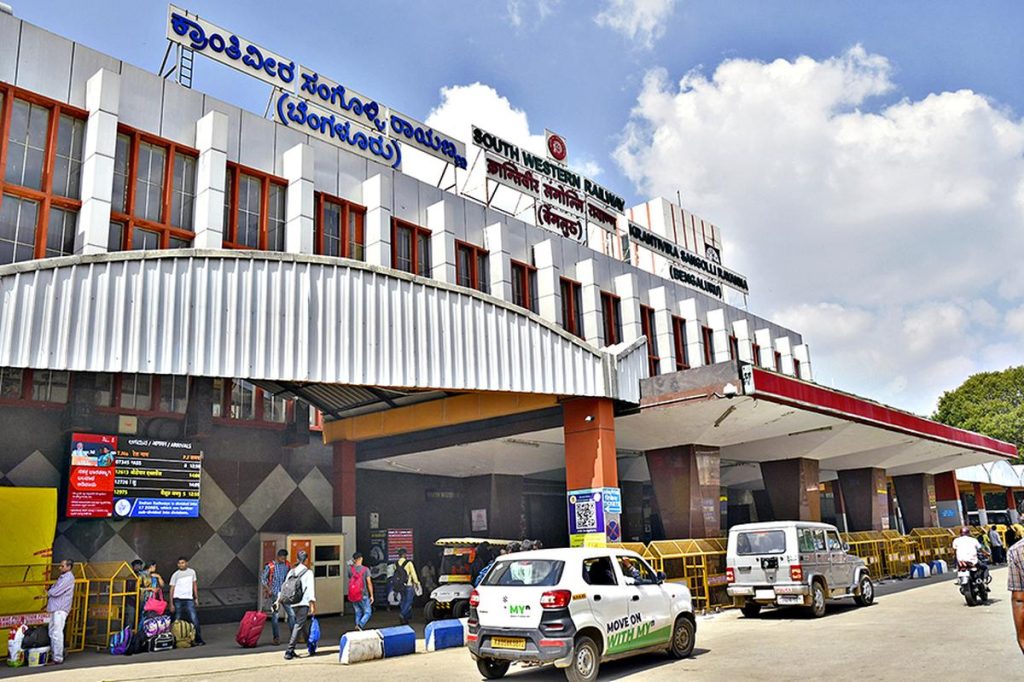
Krantiveera Sangolli Rayanna (KSR) Bengaluru City Junction and Yeshwanthpur Railway Station
Key Facts & Footfall Analytics
| Metric | KSR Bengaluru City (Majestic) | Yeshwanthpur Railway Station |
|---|---|---|
| Daily Footfall | ~ 1.75 lakh (175,000) passengers per day. | Not as high as KSR in raw numbers, but still a major junction, especially for suburban/express services plus metro-connectivity; high boarding + transit volumes. (Specific confirmed numbers less public) |
| Station Type / Importance | Major terminus and origin station for many interstate, express, passenger trains; huge passenger dwell / wait times; undergoing modernization & expansion including additional platforms, concourse expansion, new entry points. | Junction for express/suburban trains; many passengers transfer; also significant waiting / connecting traffic. |
| Entry / Exit / Circulation Areas | Multiple gates, concourse areas; third entry added to decongest. Large circulating spaces. Proposed skywalks, escalators, wider concourses in redevelopment plan. | Similar transit paths, waiting halls etc., especially during peak hours. Frequent connections with metro / local transit in some cases. |

What “Long-Dwell” Media Means in This Context
By “long-dwell”, we mean ad formats where the audience has relatively longer exposure time, not fleeting glance; stationary or waiting times — e.g.:
- Waiting for trains (express / long-haul) — platforms & waiting halls.
- Entry & exit / ticketing halls where people queue.
- Retiring rooms / cloakrooms / waiting rooms.
- Circulation / waiting areas (food courts, shops) inside station boundaries.
- Escalators / lifts / staircases where movement is slower.
These are high value because each impression tends to be more “attentive”, more memorable, more likely to influence.
Inventory & Formats Available / Potential at KSR & Yeshwanthpur
Here are existing & possible media formats for long-dwell impact:
| Format | Visibility & Dwell Impact | Feasibility / Existing Presence |
|---|---|---|
| Large digital LED screens / Digital Display Network (DDN) | High impact; motion + sound/video where permissible; excellent in waiting halls & concourse areas. | KSR has a Railway Display Network (RDN) project launched, giving advertisers access to digital displays inside station. |
| Backlit / Static Hoardings in Waiting Areas | Passing / waiting passengers see panels in halls / terminals; longer read time. Good for brand storytelling or premium brands. | Existing static hoardings are visible around station entrance / concourse. More space likely in waiting halls. |
| Overhead banners / ceiling sails | Effective in concourses / large halls with high ceilings; visible while moving or waiting. Can be used for “branding ambience”. | Some are likely used in station layout; redevelopment likely to include these. |
| Floor / Wall wraps / Pillar wraps | In ticketing / baggage / waiting zones; when people queue, stand or pass by slowly. | Potential; less documented but a standard OOH package in many large stations. |
| Audio / PA announcements + Jingles | Since people wait, announcements interspersed with short brand messages could reinforce visibility. | Regulatory & policy dependent; less common but possible to explore. |
| Transit kiosks / retail media inside station | Shops, food stalls, small kiosks — media assets here capture dwell time from shoppers / waiting travellers. | Likely present; station redevelopment may increase commercial outlets. |
| Retiring / waiting rooms / lounges | Very high dwell; travelers may wait hours; good spot for rich storytelling or experiential media. | These rooms exist at many big stations; usage is lower but creative value high. |
Strengths
- High footfall (esp. KSR) with a mix of local / long-distance / transit passengers → variety of audiences.
- High dwell time in many zones: waiting for platforms, transfers, ticketing, baggage etc.
- Multiple touchpoints/layouts (entry, concourse, platforms, extra entrances) provide sequential exposure paths.
- Airport-style redevelopment planned at KSR, giving opportunities for newer, premium media formats & better infrastructure.
- Prestige effect: Branding at such major, “gateway” station adds status to brands.
Weaknesses / Constraints
- Congestion & Visual Noise: Multiple signage competing; clutter can diminish impact.
- Regulatory / Safety Rules: Railway rules may limit obstructive signage; concerns over obstructing emergency signage, windows, PA systems etc.
- Maintenance / Visibility Issues: Lighting, cleanliness impact; some areas may be dim or heavily trafficked so ads degrade or are blocked.
- Cost: Prime zones cost premium; securing visibility in high-dwell halls may require higher investment.
- Waiting rooms usage is episodic (some travellers more; many just transit), so targeting may be less consistent compared to regular commuter traffic.
Potential Reach & Frequency
- Given ~1.75 lakh daily footfalls at KSR, if even 10-20% are in waiting / dwell zones for more than 5 minutes, that’s 17,000-35,000 people daily with high exposure to long-dwell media.
- Over a month, that gives 500,000-1 million “high‐quality exposures” (i.e. views where message has time to sink in) depending on format & station usage.
- Combined across KSR + Yeshwanthpur (if using multiple media zones), frequency builds quickly.
Creative & Storytelling Strategies for Long-Dwell Media
To make best use of long dwell media in these stations:
- Narrative / Multi-panel Storytelling
- Use formats in sequence: teaser in entrance, message development in concourse, CTA near platform or exit.
- Use consistency in visual branding across zones so people recognize connection even if they see only part.
- Rich Creative Content
- Use digital + video where possible (LED screens) — motion captures attention.
- Use ambient or immersive branding in lounges / waiting halls: ambient lighting, mood visuals etc.
- Clear Call to Action
- QR codes or short URLs leading to landing pages offering value: e.g. booking, shopping discounts, partner services, travel-adjacent services.
- For long-wait travellers, things like lounge access, food offers, duty-free / local guides etc.
- Time / Occasion Sensitivity
- Campaigns timed with train schedules (e.g. when intercity expresses arrive), festivals, travel peaks (holidays), weekends.
- Use special creatives during high-traffic windows for added relevance.
- Use Layers of Media
- Combine static + digital + audio where permissible.
- Place media where people naturally wait / gather (ticket counters, restrooms, shops) so the exposure is not just passing by but experiential.
Estimating ROI & Cost Efficiency
Here’s a rough sketch of what ROI might look like:
| Scenario | Investment Estimate | Expected High-Dwell Impressions / Value | Cost per Quality Impression Estimate |
|---|---|---|---|
| Media takeover of waiting hall + major digital screen + static panels at KSR (for 1 month) | Suppose ₹10-20 lakh depending on size & formats | 500,000-1 million people seeing the media in waits / queues + many more casual passersby | If ₹15 lakh spend → ₹15-₹30 per “high-attention impression” depending on reach and visibility |
| Smaller package: 1 digital LED screen + a couple of static panels in platform waiting zones | ₹3-5 lakh | ~150,000-250,000 exposures in waiting periods | Might run upwards of ₹20-₹40 per high-dwell exposure depending on visibility |
These are rough estimates; actual numbers depend on precise locations, light/dark, creative, time of day, crowding etc.

Recommendations for Advertisers
- Prioritize KSR for anchor campaigns given its high footfall and planned redevelopment. Use the opportunity to buy media now or negotiate for future zones in renovated infrastructure.
- Yeshwanthpur is good for targeting express / intercity + suburban mix; media placed in lounge / waiting / platform zones there can complement.
- Use digital screens where possible — while cost is higher, motion + video + ability to change creatives dynamically make high dwell impact stronger.
- Negotiate mixed-format packages (static + digital + ambient) to both capture footfall and dwell zones.
- Ensure creatives are readable from various distances; design for viewing in crowds and during busy hours.
- Consider installing or using audio + PA add-ons (if regulatory approval allows) to reinforce messaging during waits.
- For lead gen: include offers that are relevant for travellers (food, luggage services, hotels, transport, shopping). Use QR but ensure connectivity and frictionless mobile experience.