


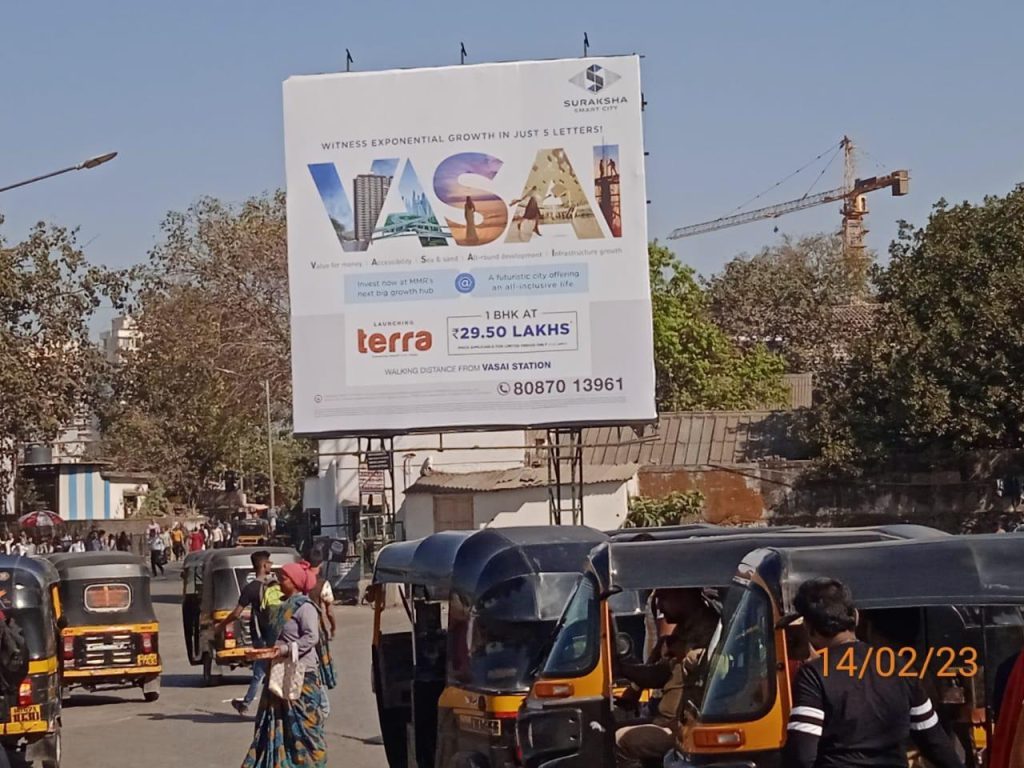
In the Indian marketing landscape of 2026, location data is the “new oil.” With the integration of AI-driven analytics and the widespread use of DigiYatra and 5G-enabled IoT, brands now have the power to turn a person’s physical coordinates into a highly personalized ad experience.
Location-based advertising targeting isn’t just about knowing where someone is; it’s about understanding their intent based on their surroundings. Here is how it refines targeting for better results.
1. Eliminating “Ad Waste” through Precision
Traditional advertising often pays to reach people who can’t actually take action. For example, showing a “15-minute delivery” ad to someone living 20 km away from your hub is wasted money.
-
The Improvement: LBA allows for Hyperlocal Targeting (within a 500m to 3km radius).
-
The Result: Every rupee of your budget is spent on a consumer who is physically capable of visiting your store or receiving your service immediately. This drastically improves Return on Ad Spend (ROAS) by cutting out irrelevant audiences.


2. Contextual Relevance: The “Right Time” Factor
Location provides the context that data alone often misses. A person at an airport has different needs than a person at a gym or a shopping mall.
-
The Improvement: By using Geofencing, brands can trigger ads based on specific “Life Moments.“
-
Example: In 2026, travel insurance brands trigger ads specifically when a user enters an International Airport terminal. This is “High-Intent” targeting—the user is thinking about travel, and the ad provides the solution at the exact moment of need.
3. “Geo-Conquesting”: Winning Over Competitors
One of the most aggressive and effective targeting improvements in 2026 is Geo-Conquesting.
-
The Strategy: You set up a virtual perimeter (geofence) around your competitor’s physical location.
-
The Action: When a customer walks into a competitor’s showroom or store, they receive a push notification or a social media ad from your brand offering a better deal or a “Comparison Discount.“
-
The Result: You are targeting a customer who has already reached the “Bottom of the Funnel”—they are ready to buy, and you are intercepting them at the finish line.
4. Behavioral Insights Beyond the Screen
Location history tells a story that search history doesn’t.
-
The Improvement: 2026 tech allows brands to build Location-Based Personas. If a user’s device is frequently seen at premium golf courses, five-star hotels, and airport lounges, AI categorizes them as a “High-Net-Worth Individual (HNWI).“
-
The Result: You can target this “Luxury Persona” with premium products even when they are at home, based on their real-world movement patterns. This is much more accurate than targeting based on simple “interests” or “likes.“


5. Bridging the “OOH to Mobile” Gap
In 2026, Programmatic DOOH (Digital Out-of-Home) works in sync with mobile ads.
-
The Strategy: When a consumer passes a large digital billboard advertising in a high-traffic area (like a metro station), their mobile ID is anonymously noted via BlueTooth Beacons or Wi-Fi signals.
-
The Action: Later that day, they receive a “follow-up” ad on their mobile phone.
-
The Result: This creates a multi-touchpoint journey. The billboard provides the Trust and Stature, and the mobile ad provides the Call to Action (CTA).
Conclusion
The future of targeting is Geographic Intelligence. By 2026, location-based advertising has moved from a “creepy” tracking tool to a “helpful friend” that provides value based on a user’s environment.
For brands, the improvement is clear: higher conversion rates (up to 27% better), lower acquisition costs, and a much deeper understanding of the customer’s real-world life. In a world of digital noise, being in the right place at the right time is the only way to be heard.