
What Are Some Disadvantages of Transit Advertising?
Transit advertising has long been a popular way for businesses to reach mass audiences on the move. From buses and taxis to metro trains and auto rickshaws, transit ads allow brands to be seen by thousands of commuters every day. While it is cost-effective and offers massive visibility, there are also important disadvantages of transit advertising that businesses should carefully consider before investing. In this blog, we’ll explore these drawbacks in detail.
Limited Message Retention
Moving Medium Reduces Attention Span
One of the major disadvantages of transit advertising is that the medium itself is constantly moving. Commuters or pedestrians only have a few seconds to glance at the message. Unlike a billboard or digital ad that can be viewed for longer durations, a moving bus or taxi often doesn’t allow enough time for the full message to register.
Short and Simple Messaging Only
Because of this short attention window, businesses can only communicate very basic messages. Complex details, product features, or lengthy offers are hard to convey through transit ads.
Exposure Depends on Route and Timing
Limited Control Over Audience Targeting
Transit ads go wherever the vehicle goes. This means a brand has little control over which areas or demographics see the ad. If your business targets a niche audience, this broad and random reach may not yield the best results.
Variable Visibility
The effectiveness of a transit ad also depends heavily on traffic, time of day, and the route covered. A bus route that avoids high-footfall areas may deliver poor impressions compared to one running through prime commercial zones. This unpredictability is one of the common disadvantages of transit advertising.
Creative and Design Challenges
Limited Design Space
Unlike digital platforms or large-format billboards, transit vehicles have limited surface areas to display ads. Even full bus wraps have to leave space for windows, registration numbers, and mandatory signage. This reduces the creative freedom for designers.
Wear and Tear Issues
Since transit ads are exposed to harsh weather—sun, rain, and dust—the printed vinyl or stickers may fade, peel, or tear over time. This not only reduces visibility but can also negatively impact brand image.
Regulatory and Legal Restrictions
Municipal Guidelines
Most cities have strict rules about what can and cannot be advertised on public transport. For example, alcohol, tobacco, or political ads are often banned. Companies may also need to secure permits, which adds to costs and delays.
Safety Concerns
Some authorities restrict ad placements on areas like windows, headlights, or emergency exits to ensure passenger safety. These restrictions further limit the available space and flexibility for advertisers.
Cost and ROI Challenges
Additional Hidden Costs
While transit advertising may seem cost-effective at first glance, there are often hidden costs such as printing, installation, maintenance, and agency commissions. For full wraps or premium vehicles, these expenses can add up quickly.
Difficult to Track Performance
Another key disadvantage of transit advertising is the lack of accurate measurement. Unlike digital ads that provide detailed analytics, it’s difficult to track how many people actually noticed your bus or taxi ad. This makes calculating ROI challenging.
Brand Dilution Risk
Cluttered Environments
Transit ads compete for attention with hundreds of other visual elements on the road—traffic signals, hoardings, shop signs, and other vehicles. This clutter can dilute brand impact, making it harder for the ad to stand out.
Association with Negative Experiences
If a commuter associates a particular bus or transport system with delays, breakdowns, or poor conditions, the brand advertised on that vehicle may unintentionally inherit that negative perception.
To many advertisers, transit advertising does not carry the image they would like to represent their products or services. Some advertisers may think having their name on the side of a bus or on a bus stop bench does not reflect well on the firm.
While an advantage of transit advertising is the ability to provide exposure to a large number of people, this audience may have certain lifestyles and/or behavioral characteristics that are not true of the target market as a whole. For example, in rural or suburban areas, mass transit is limited or nonexistent, so the medium is not very effective for reaching these people.
While geographic selectivity may be an advantage, not everyone who rides a transportation vehicle or is exposed to transit advertising is a potential customer. For products that do not have specific geographic segments, this form of advertising incurs a good deal of waste coverage.
Bus media Ad space available for brand promotion
-
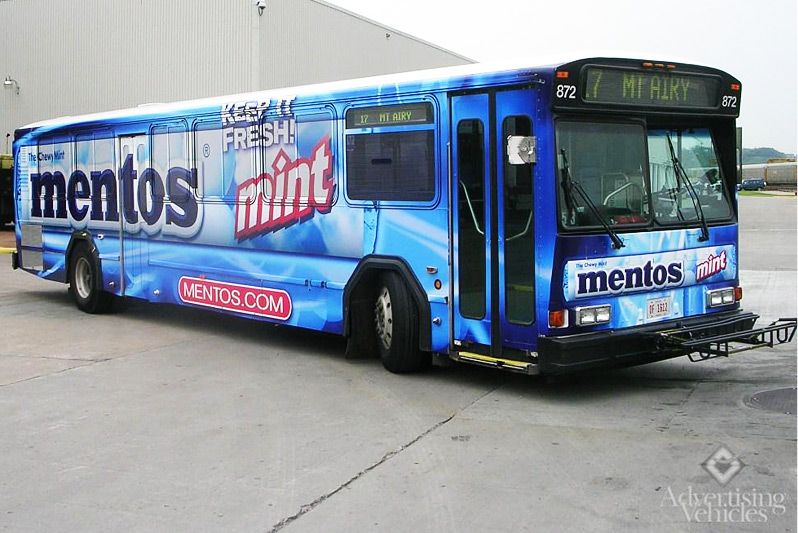
Bus External Wrap
1Bus External Wrap consist of sticker on full bus body.
01
-
02

Internal Bus Branding
Internal Bus Branding -
Back Panel Ads
2Back Panel Ads03


External (on the sides, back, etc. of the vehicle) or internal (“car cards”)?
The disadvantage of external transit ads might be that the bus and train routes may not go where your customers are. A billboard stays in one place, so an advertiser can select a location where there might be a market for their products.
A bus traveling on a long route may spend much of its time away from people interested in the product being advertised.