
If you’ve ever stood on a busy corner in a city like Mumbai or Bangalore, you know the feeling of sensory overload. There are horns, people, bikes, and a million signs screaming for your attention. In that chaos, a bus isn’t just transport it’s a giant, moving wall.
But here’s the thing: most brands treat that wall like a giant sticker book. They just pick a spot and hope for the best. If you want to actually get a return on your marketing spend in 2026, you have to think about who is looking at which part of the bus, and what they are doing at that exact moment.
1. The Full Wrap: For When You Want to “Own” the Street
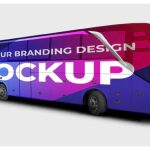
Let’s not mince words: a Full Wrap is a power move. It’s the equivalent of walking into a party and being the best-dressed person there.
When you wrap an entire bus windows and all you aren’t just running an ad; you’re creating a landmark. People don’t say, “I saw an ad for that new movie.” They say, “I saw the Spider-Man bus.”
The Strategy: This is for the big hitters. If you’re launching a national brand or a massive E-commerce sale, you need the “Shock and Awe” factor. The Human Hook: We humans are suckers for scale. A 40-foot long, 10-foot high image of a steaming cup of coffee or a sleek new smartphone is impossible to ignore. It builds instant trust. If a brand can afford to wrap a whole bus, our brains subconsciously think, “Okay, these guys are legit.”

2. Side Panels: The “Eye-Level” Salesman
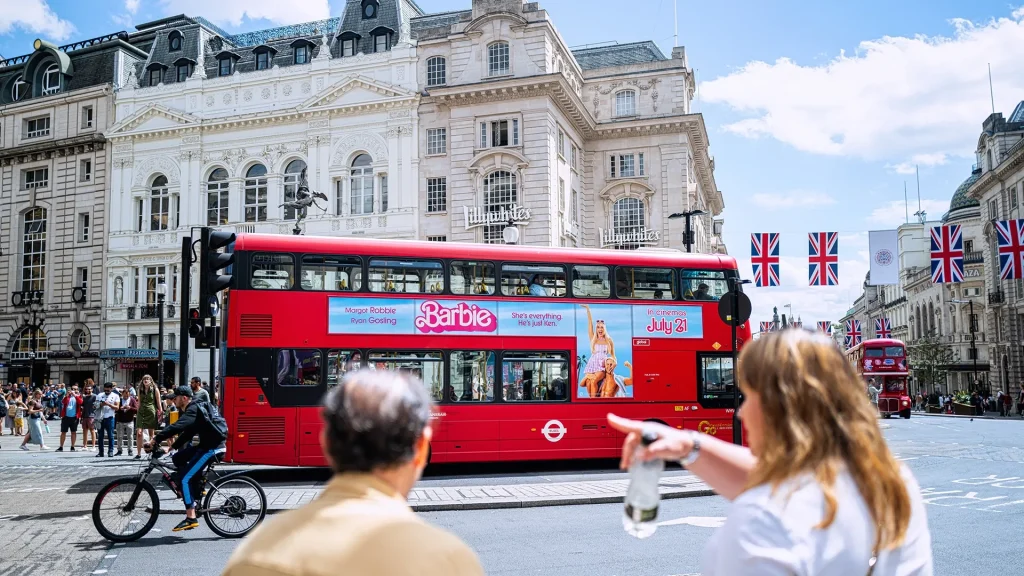
If the Full Wrap is a loud shout, the Side Panel is a firm handshake. These are the ads that sit right at eye level for people walking on the sidewalk or waiting at the bus stop.
The Strategy: This is the “Working Class Hero” of advertising. It’s perfect for retail, gym memberships, or local restaurants. The Human Hook: Think about the “Curb Side” of the bus. That’s the side that actually pulls over to talk to people. Every time the doors open, your ad is right there, inches away from someone’s face. It’s intimate. It’s the perfect spot for a “Buy One Get One” offer or a “Visit us on the next block” direction. Because these are cheaper than full wraps, you can buy space on five different routes and make it feel like your brand is following the customer around town.
3. Back Panels: The “Traffic Jam” Best Friend
The back of the bus (or the “Tail”) is the most underrated spot in the city. While the sides of the bus are zipping past you, the back of the bus is sitting right in front of you while you’re stuck in a 15-minute crawl.
The Strategy: This is for the “Thinkers.” Drivers are a captive audience. They are bored, they are looking for a distraction, and they have the time to actually read. The Human Hook: This is where you put your QR code, your website, or your witty headline. You can’t put a 10-word sentence on the side of a bus it moves too fast. But on the back? You’ve got a driver’s undivided attention for at least two red lights. If you sell insurance, real estate, or an app that solves a problem, the back panel is your best friend. You’re giving a bored driver something to do.
How Do You Choose?
It really comes down to what you want the person to do next.
-
Want them to remember your name? Wrap the whole thing. Be the biggest thing on the road.
-
Want them to walk into your store? Stick to the side panels. Meet them at eye level on the sidewalk.
-
Want them to visit your website? Own the back. Talk to the person who has nothing to do but look at your ad while they wait for the light to turn green.
The best campaigns don’t just pick one; they mix them up. But if you’re starting out, remember: don’t just buy “space.” Buy the attention of the person standing on the corner or sitting behind the wheel.