
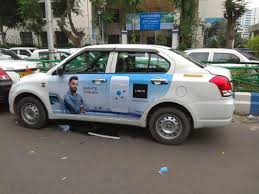
Environmental and Brand Advantages of Choosing Eco-Friendly Cab Wrap Materials
As brands across India move toward more sustainable advertising practices, eco-friendly cab branding is emerging as a smart, responsible choice. In metro cities like Delhi, Mumbai, Bengaluru, and Hyderabad, thousands of cabs are wrapped every year for advertising campaigns — and choosing the right wrap material can make a significant difference not just for the planet, but for your brand image too.
Today’s environmentally conscious consumers notice brands that walk the talk — and sustainable cab wraps help you do exactly that.
1. Reducing Plastic Waste and Carbon Footprint
Traditional cab wraps often use PVC-based vinyl, which is durable but non-biodegradable and difficult to recycle. In contrast, eco-friendly wraps are made from non-PVC or biodegradable films that reduce environmental impact.
Switching to sustainable materials can:
- Cut plastic waste by up to 40%.
- Lower the carbon footprint during production and disposal.
- Support green mobility initiatives in cities adopting EV and low-emission fleets.
In short, eco-wraps ensure your marketing visibility doesn’t come at an environmental cost.

2. Enhancing Brand Reputation and Consumer Trust
Modern audiences — especially urban millennials and Gen Z consumers — expect brands to be environmentally responsible. When your fleet carries a “Printed on Eco-Friendly Material” label, it sends a powerful message: your brand cares.
This commitment builds emotional goodwill and positive brand perception, helping your campaign connect with socially aware commuters and pedestrians alike. It’s not just an ad — it’s a statement of purpose.
3. Alignment with Corporate Sustainability Goals
Many companies now have ESG (Environmental, Social, and Governance) or CSR (Corporate Social Responsibility) targets. Using eco-friendly cab wrap materials is a visible, measurable step toward fulfilling these commitments.
Brands can even highlight such actions in annual sustainability reports, internal communications, or social campaigns — reinforcing their green credentials and inspiring stakeholders.
4. Compatibility with Electric Cab Fleets
With India’s EV adoption rising rapidly, several cab operators — including Ola Electric and BluSmart — run 100% electric fleets. Pairing eco-wraps with electric cabs creates a holistic green campaign: sustainable material on zero-emission vehicles.
It’s the perfect synergy of clean transport and clean advertising, reflecting forward-thinking brand values.
5. Improved Aesthetics and Print Quality
Modern eco-friendly wrap materials are not only sustainable but also high-performance.
- They offer vibrant colors, UV resistance, and smooth application.
- They’re easier to remove and replace, minimizing vehicle damage.
- The material’s matte finish often enhances visual appeal, making designs pop even under sunlight.
So brands don’t have to choose between eco-consciousness and creativity — they can have both.
6. Positive Public and Regulatory Perception
Cities are increasingly enforcing green advertising norms to reduce visual clutter and plastic waste. By proactively adopting eco-wraps, brands can:
- Stay compliant with emerging municipal guidelines.
- Earn goodwill from local authorities and environmental groups.
- Lead the way in shaping the future of sustainable OOH advertising.
In Conclusion: Advertising That Moves—and Cares
Eco-friendly cab wraps go beyond marketing — they represent a commitment to a cleaner, greener urban ecosystem. They let brands move with the city while minimizing harm to it.
Choosing sustainable materials for cab branding is not only good for the planet — it’s good for business, reputation, and long-term brand trust.

Because in the new age of conscious advertising, how you advertise matters as much as what you advertise.