
India’s metro cities may appear similar on the surface, yet each city has its own culture, commute patterns, language preferences, and consumer behavior. This is exactly why Hyperlocal Messaging on Wheels: How Cab Advertising Adapts to City-Specific Audiences has become a critical strategy for modern marketers. Instead of using one generic creative nationwide, brands are now customizing cab advertising to speak directly to city-level audiences.
Cab advertising brings hyperlocal messaging to life by physically moving through neighborhoods where target consumers live, work, and shop. As a result, brands achieve relevance that static and mass media often fail to deliver.
Why Hyperlocal Matters in Urban Advertising
Urban India is fragmented into micro-markets. South Mumbai differs from Navi Mumbai, just as Cyber Hub differs from Old Delhi. Because consumer expectations vary by locality, advertising must adapt accordingly.
Hyperlocal cab advertising allows brands to tailor messaging by city, zone, or even route. Consequently, campaigns feel more personal and less intrusive. This relevance leads to higher attention, better recall, and stronger brand affinity.
Hyperlocal Messaging on Wheels: How Cab Advertising Adapts to City-Specific Audiences
Cab advertising adapts naturally to city-specific audiences because cabs follow real commuting routes. Branded vehicles move through IT parks, high streets, residential clusters, airports, colleges, and nightlife zones daily.

For example, a fintech brand may highlight digital payments in Bengaluru’s tech corridors, while focusing on festive cashback messaging in Kolkata’s market areas. Therefore, the same brand can speak different languages—both literally and culturally—across cities without changing the medium.
Language, Culture, and Visual Localization
One of the strongest advantages of cab advertising is creative flexibility. Brands can localize creatives using regional languages, city-specific slang, festivals, or landmarks.
In Chennai, Tamil-first messaging builds familiarity. In Hyderabad, bilingual creatives work better. Meanwhile, Mumbai campaigns often focus on fast-paced lifestyle cues. Because cabs are seen up close in traffic, localized messaging feels authentic rather than generic.
As a result, consumers connect emotionally with the brand, not just visually.
Ride-Hailing Platforms Enable City-Level Precision
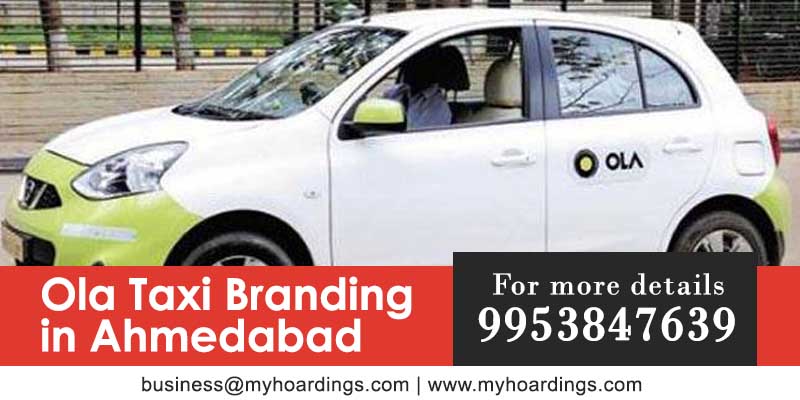
Ride-hailing ecosystems such as Ola and Uber play a major role in hyperlocal execution. These platforms operate city-wise fleets with predictable movement patterns.
Brands can plan campaigns city by city, selecting fleet sizes, routes, and campaign durations based on local demand. Consequently, advertisers avoid wasted impressions and achieve better cost efficiency.
Zone-Based Targeting Through Daily Commute Patterns
Cab advertising allows zone-level customization. Morning routes may pass through business districts, while evening rides focus on residential areas. Weekend movement shifts toward malls, markets, and entertainment hubs.
By understanding these patterns, brands align messaging with consumer intent. For instance, food delivery apps promote dinner offers during evening routes, while edtech brands focus on student-heavy zones. Hence, hyperlocal relevance improves conversion potential.
City-Specific Campaigns Across Categories
Multiple industries benefit from hyperlocal cab advertising:
-
Retail & E-commerce: City-level sale messaging and store launches
-
Fintech: Regional offers and local merchant partnerships
-
Real Estate: Project branding within specific catchment areas
-
Entertainment & OTT: City premieres and language-specific content
Because cabs operate within city boundaries, messaging stays geographically aligned with the audience.
Measurable and Adaptable Campaigns
Modern cab advertising is measurable. GPS tracking, photo audits, and route monitoring ensure compliance and coverage. Additionally, brands can tweak creatives mid-campaign based on city-level response.
QR codes, city-specific landing pages, and localized offers further bridge offline exposure with online action. As a result, hyperlocal cab campaigns deliver both awareness and performance.
Cost Efficiency Compared to City-Wide Static OOH
City-level static OOH often requires multiple premium locations to achieve reach. In contrast, a fleet of branded cabs can cover multiple micro-markets daily.
Because cab campaigns are priced by duration rather than location, brands achieve predictable costs. Therefore, hyperlocal messaging becomes scalable even for regional and mid-sized advertisers.
The Future of Hyperlocal Mobility Media
As urban India becomes more segmented, hyperlocal advertising will dominate planning strategies. Cab advertising sits at the intersection of movement, geography, and relevance.
Hyperlocal Messaging on Wheels is not just a trend—it reflects how cities function today. Brands that adapt their communication to city-specific realities will consistently outperform those relying on one-size-fits-all messaging.
Conclusion: Local Stories That Travel the City
Cab advertising proves that local relevance travels far. By adapting messaging to city-specific audiences, brands turn everyday commutes into meaningful interactions.
In a country as diverse as India, hyperlocal messaging on wheels ensures that brands are not just seen—but understood.