
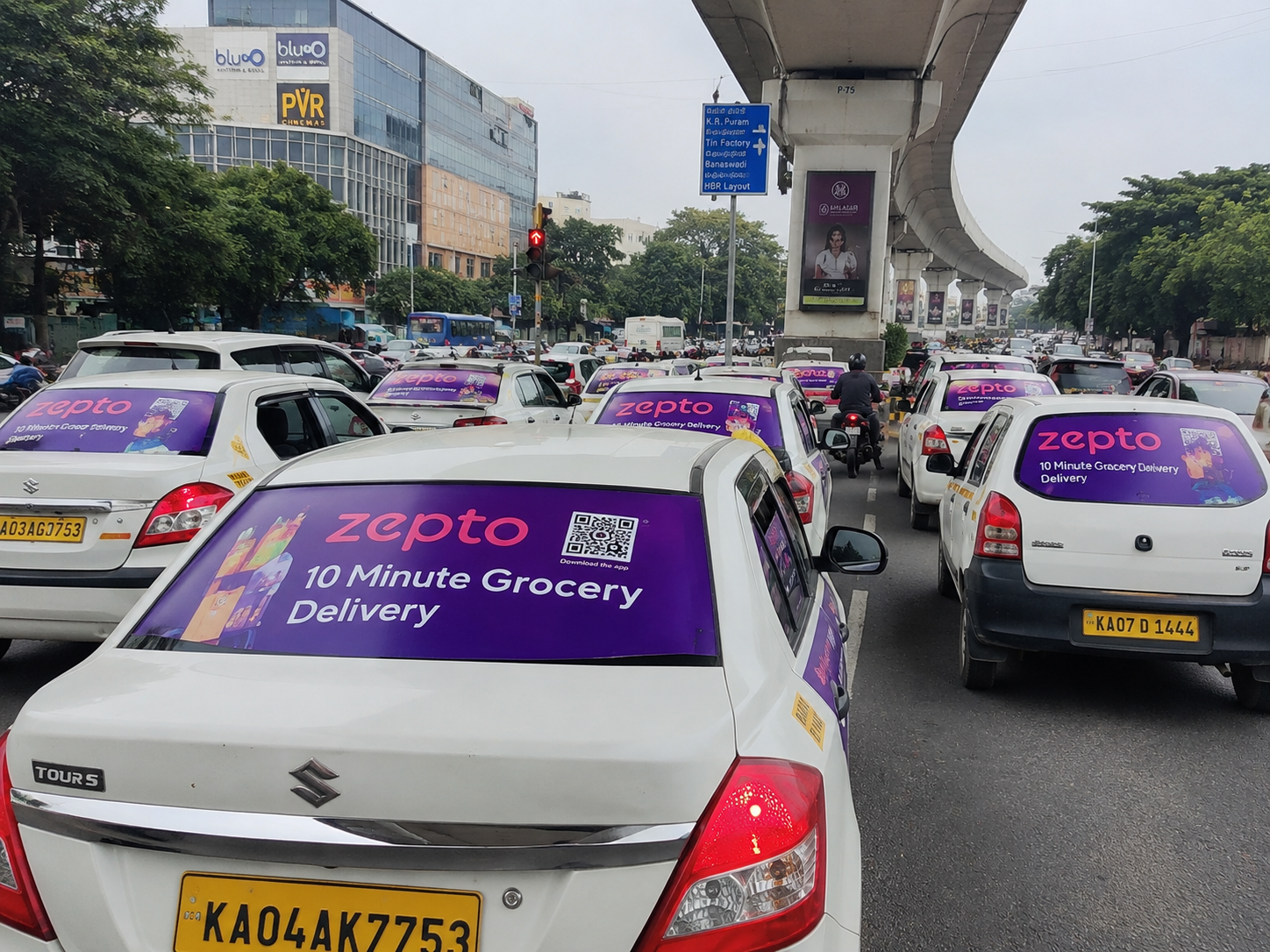
The advertising landscape has changed dramatically over the past decade. Consumers no longer interact with brands through a single channel. Instead, they engage across multiple platforms, including outdoor media, social networks, websites, mobile apps, and digital experiences.
As a result, marketers are increasingly seeking integrated strategies that connect physical and digital touchpoints. One of the most effective examples of this approach is the combination of car cab branding with digital marketing campaigns.By transforming moving vehicles into interactive brand experiences, companies are successfully bridging the gap between streets and screens.
Why Integration Matters in Today’s Marketing Environment
Consumers expect seamless brand experiences. A potential customer may first notice a branded cab while commuting and later interact with the same brand online through social media or a website.
When outdoor advertising and digital marketing work together, they create a stronger and more memorable customer journey. This consistency helps improve brand recognition, trust, and engagement.
Car cab branding provides visibility in the physical world, while digital channels offer opportunities for interaction, conversion, and relationship building.
Turning Mobile Advertisements Into Interactive Experiences
Traditional outdoor advertising primarily focuses on awareness. However, modern car cab branding campaigns are designed to encourage immediate action.
Brands often incorporate:
QR Codes
QR codes allow consumers to instantly access websites, landing pages, promotional offers, product catalogs, or mobile applications using their smartphones.
Social Media Hashtags
Custom campaign hashtags encourage audiences to engage with the brand online, participate in contests, and share user-generated content.
Mobile App Promotions
Cab branding can promote app downloads, registrations, and exclusive offers directly from the advertisement.
These interactive elements transform a simple vehicle wrap into a powerful customer acquisition tool.
Creating a Multi-Touchpoint Customer Journey
Marketing effectiveness often depends on how frequently consumers encounter a brand. A commuter might notice a branded cab during morning traffic, see related content on social media later in the day, and eventually visit the brand’s website after scanning a QR code.
This multi-touchpoint experience reinforces brand messaging and increases the likelihood of conversion. The combination of physical visibility and digital engagement helps brands stay connected with consumers throughout their decision-making process.
Data-Driven Campaign Performance
One of the major advantages of integrating digital marketing with car cab branding is measurability.
Brands can track:
Website Visits
Dedicated landing pages help monitor traffic generated by outdoor campaigns.
QR Code Scans
Marketers can measure how many people engage directly with the advertisement.
Social Media Engagement
Hashtag mentions, shares, likes, and comments provide valuable insights into audience participation.
Lead Generation
Digital integrations allow brands to capture customer information and evaluate campaign effectiveness more accurately.
These metrics help advertisers optimize future marketing strategies.
The Future of Omnichannel Advertising
As consumer behavior continues to evolve, the distinction between online and offline marketing is becoming increasingly blurred.
Brands are moving beyond isolated advertising channels and adopting integrated campaigns that combine outdoor visibility with digital interaction.
Car cab branding plays a crucial role in this transformation by serving as a mobile gateway between the physical and digital worlds.