
As cities become more crowded and advertising spaces more competitive, brands increasingly rely on transit media to reach consumers where they spend most of their time—on the move. Among the most popular formats, cab branding and auto branding stand out for their mobility, affordability, and strong street-level exposure. However, marketers often ask one crucial question: cab branding vs auto branding— which transit medium delivers better local visibility?
Both formats offer unique advantages. Yet, their effectiveness depends on campaign objectives, target audience, and geographic focus. Understanding the strengths and limitations of each helps brands choose the right medium for hyperlocal dominance.
Understanding Cab Branding as a Transit Medium
Cab branding involves placing advertisements on app-based taxis and private cab fleets. These vehicles typically operate across long routes, covering residential areas, business districts, airports, and commercial hubs.
Because cabs serve office commuters, travelers, and daily riders, they offer repeated exposure to premium and working professionals. Moreover, branded cabs often remain active for extended hours, ensuring high daily visibility.
As a result, cab branding works well for brands seeking broad urban reach.
Understanding Auto Branding in Local Markets
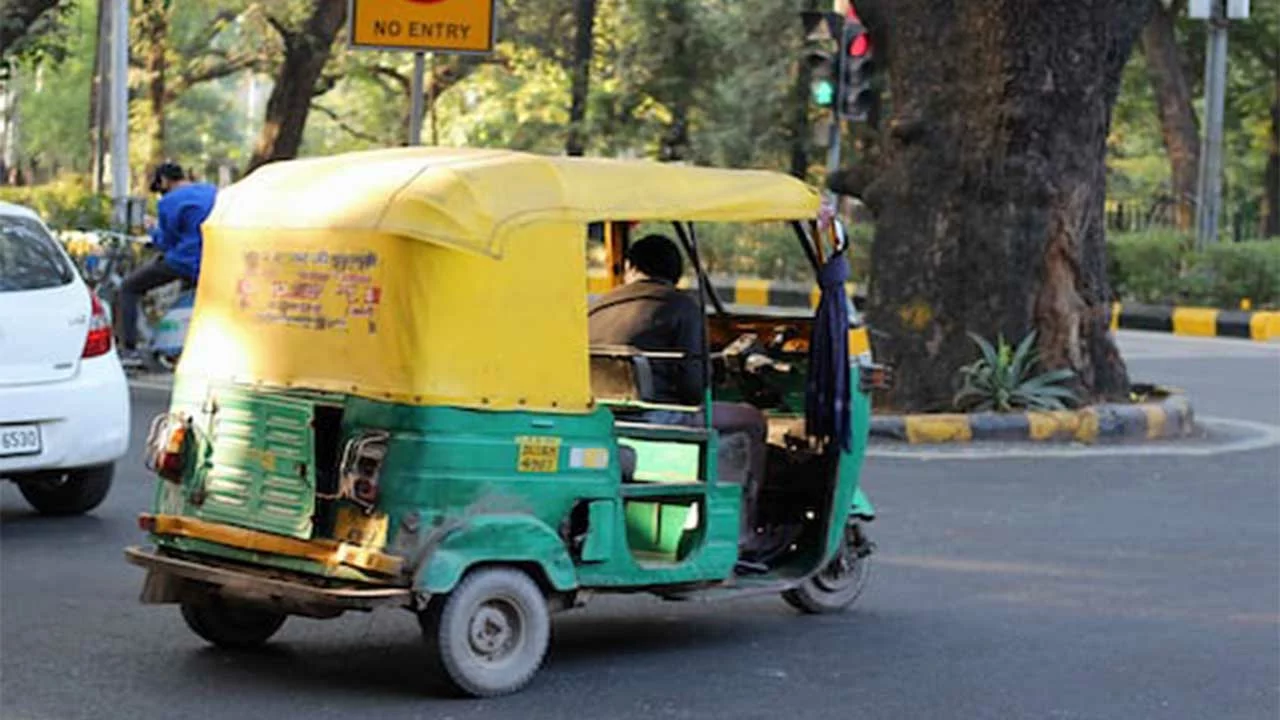
Auto branding focuses on three-wheeler auto-rickshaws that operate primarily within limited local zones. These vehicles navigate narrow streets, market lanes, residential pockets, and neighborhood routes where larger vehicles may not reach.
Since autos function as community-level transport, they interact closely with pedestrians, shop owners, and residents. Consequently, auto branding becomes highly effective for micro-market penetration.
This makes auto branding especially relevant for businesses targeting local customers.
Cab Branding vs Auto Branding: Coverage and Movement Patterns
The most significant difference between these two transit media lies in movement range.
Cabs travel across multiple city zones daily. They cover longer distances and connect diverse neighborhoods. Therefore, they offer wider geographic exposure.
In contrast, autos operate repeatedly within the same localities. Their routes are shorter but highly repetitive. This repetition builds strong familiarity among residents.
Thus, cab branding favors city-wide awareness, while auto branding excels in hyperlocal recall.
Local Visibility and Audience Interaction
When evaluating cab branding vs auto branding, local visibility depends on how frequently the same audience encounters the ad.
Autos often park near markets, metro exits, hospitals, and residential gates. This stationary presence increases visibility duration. Pedestrians and local commuters repeatedly see the same branded auto, reinforcing recall.
Cabs, although constantly moving, deliver broader exposure but shorter interaction time per viewer.
Hence, autos generate stronger neighborhood-level visibility, while cabs generate wider but less concentrated exposure.
Cost Efficiency and Campaign Accessibility
From a budget perspective, auto branding generally offers lower entry costs. Small businesses and local brands can deploy multiple autos within a limited budget.
Cab branding, while still cost-effective compared to hoardings, typically involves higher per-vehicle costs due to fleet standards and longer routes.
Therefore, startups and local retailers often prefer auto branding, whereas mid-to-large brands lean toward cab branding for scale.
Brand Perception and Creative Impact
Cabs often convey a more premium brand image. App-based taxis are associated with professionals, travelers, and digital users. As a result, cab branding aligns well with fintech, OTT, app-based services, and lifestyle brands.
Auto branding, on the other hand, feels grassroots and community-oriented. It connects strongly with local audiences and daily shoppers.
Thus, brand positioning plays a vital role in choosing between the two formats.
Route Predictability and Frequency
Auto routes remain predictable. The same streets and markets receive repeated exposure daily. This frequency strengthens recall over time.
Cabs follow dynamic routes based on bookings. While this increases city coverage, it reduces predictability.
Therefore, when consistency within a locality matters more than coverage, auto branding delivers better results.
Ideal Use Cases for Cab Branding
Cab branding performs best for:
-
App launches
-
City-wide awareness campaigns
-
Service expansion announcements
-
Airport and corporate targeting
-
Pan-city promotional visibility
Brands aiming for mass urban presence benefit significantly from cab advertising.
Ideal Use Cases for Auto Branding
Auto branding works effectively for:
-
Local retail stores
-
Clinics and hospitals
-
Coaching centers
-
Real estate brokers
-
Hyperlocal service providers
Businesses targeting neighborhood customers gain stronger ROI from auto branding.
Cab Branding vs Auto Branding: Which Delivers Better Local Visibility?
When strictly measuring local visibility, auto branding often delivers stronger impact due to repeated exposure within the same locality. Residents see the same branded autos daily, creating familiarity and trust.
However, if “local” refers to multiple city zones rather than a single neighborhood, cab branding becomes more effective.
Therefore, the better medium depends on how narrowly or broadly the brand defines “local.”
Conclusion
The debate of cab branding vs auto branding: which transit medium delivers better local visibility does not have a one-size-fits-all answer. Auto branding dominates hyperlocal markets through repetition and proximity. Cab branding excels in wider city-level awareness and premium audience reach.
The smartest campaigns often combine both—using autos for deep neighborhood recall and cabs for broader movement across the city. Together, they create layered visibility that strengthens overall brand presence.
Choosing the right transit medium ultimately depends on campaign goals, budget, and the audience a brand aims to reach.