
Urban mobility has evolved into more than just transportation. Every cab ride now represents a time-bound engagement window where passengers interact with their surroundings for extended durations. In this context, from pickup to drop-off: mapping passenger attention points inside branded cabs has become a critical strategy for advertisers seeking high-retention transit media opportunities.
Unlike outdoor hoardings that offer fleeting exposure, branded cab interiors deliver sustained visibility throughout the journey. By understanding where passengers look, pause, and engage, brands can strategically position creatives to maximize recall and action.
Understanding Passenger Behavior During Cab Journeys
Passenger attention does not remain constant throughout the ride. Instead, it shifts across different journey phases. Initially, riders settle in, then engage with their phones, and later observe surroundings or interior visuals.
Because attention fluctuates, advertisers must design placements that align with these behavioral patterns. Consequently, mapping attention points becomes essential for effective cab branding.
This structured approach allows brands to communicate messages at the right moment rather than relying on random exposure.
Pickup Phase: The First Visual Impression
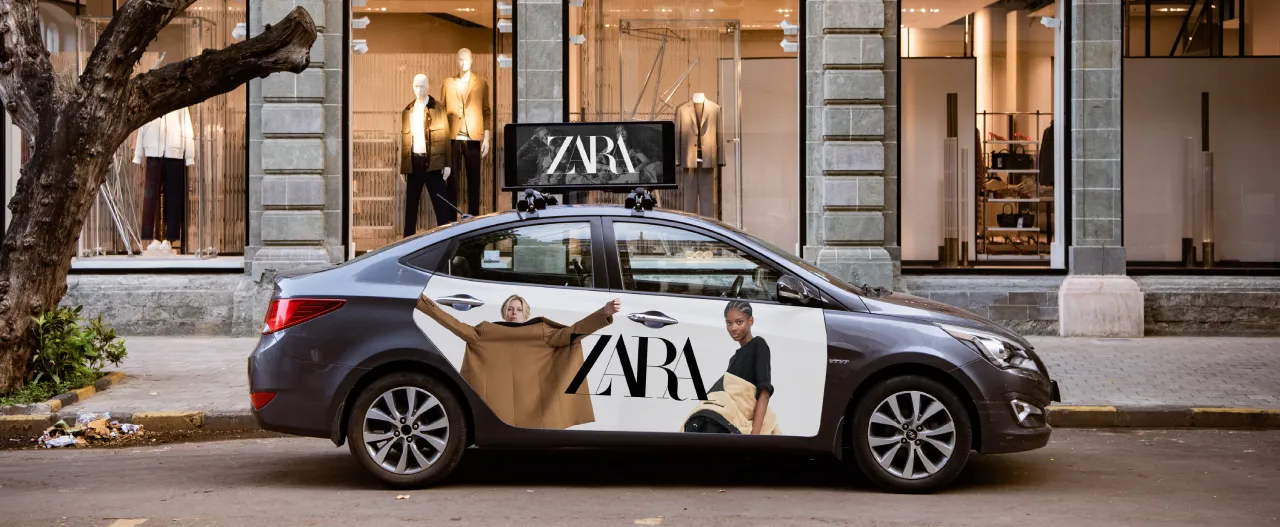
The pickup moment establishes the first brand interaction. As passengers approach the cab, they naturally observe exterior elements such as door branding, stickers, or roof-top identifiers.
At this stage, attention is quick but decisive. Therefore, branding must focus on:
-
Clear logo visibility
-
Strong brand colors
-
Minimal messaging
These visuals help form instant recognition even before the ride begins. Importantly, first impressions often influence how receptive passengers remain throughout the journey.
Entry Moment: High Attention Inside the Cabin
Once inside the vehicle, passenger attention peaks briefly. During seat adjustment, seatbelt fastening, and ride confirmation, riders naturally scan their immediate surroundings.
This moment is ideal for placing:
-
Seat-back branding
-
Headrest panels
-
Welcome creatives
Since passengers are not yet distracted by phones, these placements achieve strong initial recall. Consequently, advertisers use this stage to reinforce brand name and campaign theme.
Early Ride Phase: Short-Duration Focus Windows
As the cab begins moving, passengers typically check route progress or notifications. However, attention intermittently returns to the cabin environment.
During this phase, subtle but consistent visuals work best. Ceiling panels, window decals, and side-panel creatives remain within peripheral vision.
Because exposure happens repeatedly rather than continuously, creative design must prioritize clarity over complexity. Simple taglines and bold typography perform more effectively here.
Mid-Journey Phase: Captive Attention Opportunity
The mid-journey period represents the longest dwell time. At this point, passengers relax and become more receptive to environmental messaging.
This phase is ideal for:
-
QR code placements
-
App download prompts
-
Product visuals
-
Short benefit-led messaging
Since the ride duration allows multiple glances, repeated exposure reinforces memory. As a result, mid-journey branding often delivers the highest engagement rates within cab advertising.
Waiting at Traffic Signals: Peak Visibility Moments
Traffic halts create micro-attention peaks. When vehicles stop at signals, passengers instinctively look around the cabin or outside.
During these pauses, branding placed on:
-
Seat backs
-
Side windows
-
Dashboard panels
receives prolonged visibility. These moments significantly enhance message retention because attention remains undivided for several seconds.
Therefore, many brands align core campaign messaging with placements visible during traffic stops.
Late Journey Phase: Recall and Reinforcement
As the destination approaches, passengers mentally prepare for drop-off. During this stage, attention shifts back to the cabin one final time.
This moment is optimal for reinforcement messaging such as:
-
Brand tagline repetition
-
Call-to-action reminders
-
Offer cues or app names
Repetition near journey end strengthens memory recall, increasing the likelihood of post-ride engagement.
Drop-Off Phase: Final Brand Impression
The final interaction occurs as passengers exit the vehicle. Door panels, exterior stickers, and rear branding re-enter visual focus.
This last exposure acts as a cognitive anchor. Even brief visibility at exit reinforces brand recall once the ride ends. Consequently, effective campaigns ensure branding continuity from interior to exterior.
Why Mapping Attention Points Improves Campaign Performance
By understanding from pickup to drop-off: mapping passenger attention points inside branded cabs, advertisers can structure campaigns logically rather than randomly.
This approach delivers:
-
Better message sequencing
-
Higher recall through repetition
-
Improved engagement timing
-
Stronger ROI from fixed inventory
Instead of overloading creatives, brands guide passengers through a controlled exposure journey.
Designing Creatives for Attention Flow
Successful cab branding follows attention flow design principles:
-
Brand introduction at pickup
-
Visual reinforcement at entry
-
Engagement messaging mid-journey
-
Recall cues before drop-off
When executed correctly, the campaign feels natural rather than intrusive.
As a result, passenger acceptance and memory retention increase significantly.
Conclusion
Cab interiors represent one of the most structured attention environments in urban advertising. When brands understand behavioral patterns, they can transform ordinary travel into meaningful brand engagement.
From pickup to drop-off: mapping passenger attention points inside branded cabs allows advertisers to plan placement, messaging, and sequencing with precision. By aligning creatives with passenger mindset at every journey stage, brands convert commute time into high-value attention time. In modern transit media planning, attention mapping is no longer optional. It is a strategic requirement for effective cab branding campaigns.