
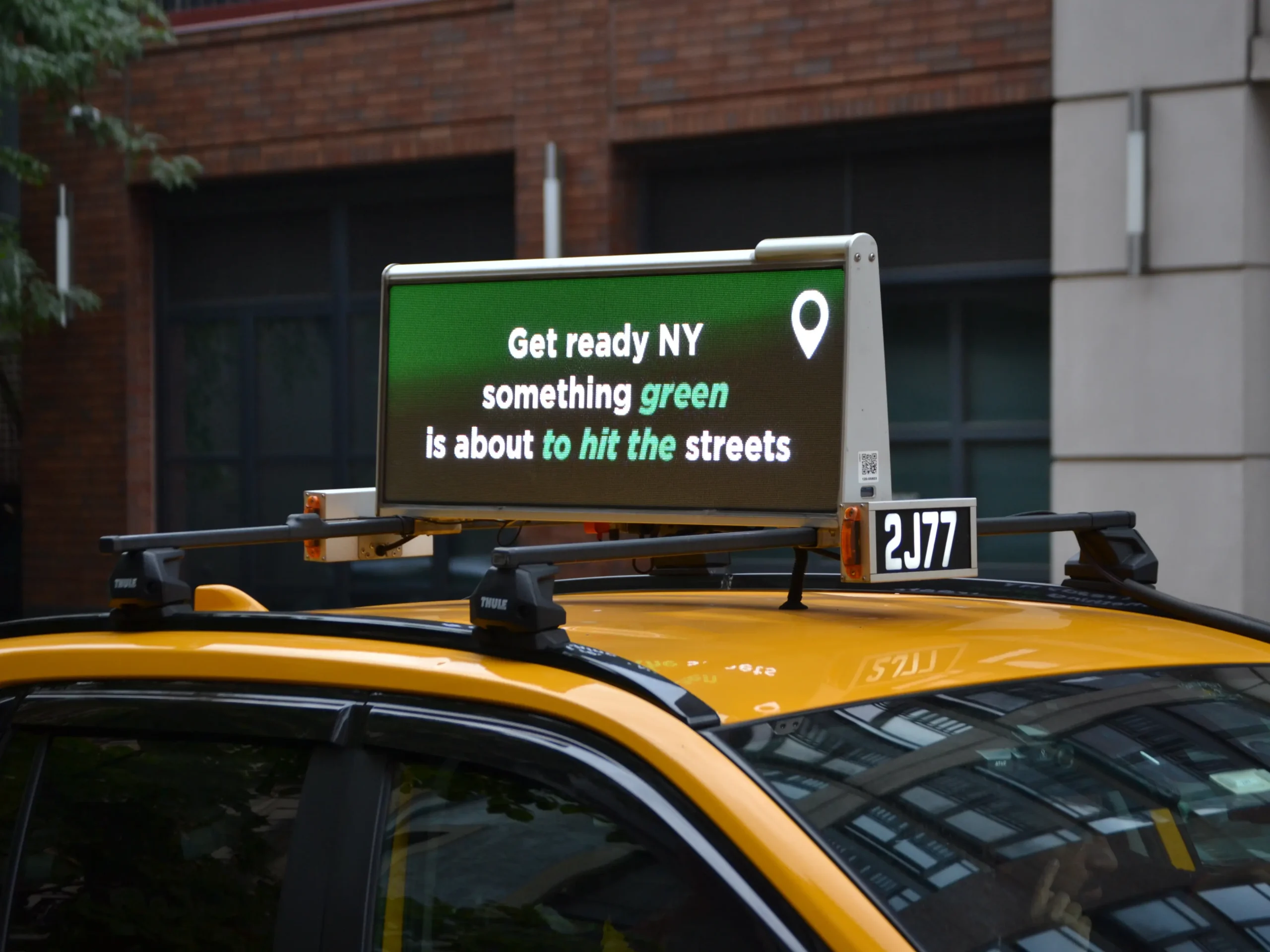
Omnichannel media planning is no longer limited to digital screens, retail stores, and traditional outdoor formats. As consumer journeys become more fragmented, marketers are actively integrating mobility-based media into their plans. This shift explains how ride-hailing advertising is becoming a key part of omnichannel media planning for brands targeting urban audiences.
Ride-hailing advertising connects digital intent with physical presence. While consumers interact with brands on apps and screens, branded cabs ensure visibility during real-world movement. As a result, ride-hailing media now plays a strategic role in unified brand storytelling.
The Evolution of Omnichannel Media Planning
Earlier, omnichannel strategies focused on synchronising digital, retail, and mass media. However, urban lifestyles have changed. Commutes are longer, traffic is denser, and consumers spend more time traveling than before.
Because of this shift, advertisers need media that lives within daily movement. Ride-hailing advertising fills this gap by delivering visibility during commute hours—an otherwise underutilized attention window. Therefore, mobility media is now being planned alongside digital, social, OOH, and retail media.
How Ride-Hailing Advertising Is Becoming a Key Part of Omnichannel Media Planning
Ride-hailing advertising works as a physical extension of digital marketing. When users see a brand inside an app and later encounter the same brand on a cab, recall strengthens.
This cross-touchpoint reinforcement is central to omnichannel success. Instead of isolated impressions, brands create continuity across screens and streets. Consequently, messaging feels consistent rather than repetitive.
Ride-Hailing Platforms Enable Scalable Urban Reach
Ride-hailing ecosystems such as Ola and Uber operate thousands of vehicles daily across metro cities.
These vehicles move through business districts, residential areas, airports, malls, and entertainment zones. As a result, advertisers gain exposure across multiple consumer touchpoints within a single day. This scale makes this advertising ideal for city-wide omnichannel planning.
Connecting Awareness, Consideration, and Action
Ride-hailing advertising supports multiple stages of the marketing funnel. Exterior cab branding builds awareness among pedestrians and motorists. In-cab panels and screens drive consideration by delivering longer messaging to passengers.
Additionally, QR codes, app prompts, and offer messaging encourage immediate action. Therefore, a single ride-hailing campaign can support awareness, engagement, and conversion—aligning perfectly with omnichannel objectives.
Hyperlocal Precision Within a Unified Plan
Omnichannel does not mean generic messaging everywhere. Modern media planning demands localisation. This advertising offers city-level and zone-level targeting based on routes and ride density.
For example, a fintech brand may reinforce app campaigns in office corridors, while a retail brand focuses on mall routes. Hence, ride-hailing media adapts to hyperlocal needs while staying aligned with national campaigns.

Ride-Time Is a Captive Attention Window
Unlike many outdoor formats, ride-hailing advertising benefits from captive audiences. Passengers spend uninterrupted time inside the cab, especially during traffic congestion.
This dwell time improves message absorption. When combined with digital retargeting or app notifications, ride-hailing advertising enhances frequency without oversaturating screens. Consequently, brands maintain visibility without causing ad fatigue.
Data, Measurement, and Media Accountability
One reason ride-hailing advertising fits modern media planning is measurability. GPS tracking, route analytics, campaign duration, and impression estimates provide transparency.
In-cab digital formats further offer engagement metrics. When these insights are layered with digital performance data, planners gain a holistic view of campaign impact. Thus, ride-hailing media supports data-driven omnichannel planning.
Cost Efficiency Compared to Fragmented OOH Buying
Planning omnichannel campaigns across multiple static OOH formats can be expensive and complex. Ride-hailing advertising simplifies this by offering predictable pricing based on duration and fleet size.
Because vehicles move across many micro-markets daily, brands achieve wide coverage without buying multiple locations. Therefore, cost efficiency improves while reach remains consistent.
Industries Actively Integrating Ride-Hailing Advertising
Several sectors are already making ride-hailing media a core omnichannel component:
-
Fintech & Apps: App installs and trust reinforcement
-
FMCG & Retail: High-frequency brand recall
-
OTT & Entertainment: Content discovery and launches
-
Education & EdTech: City-level awareness and leads
-
Real Estate: Catchment-area visibility
These industries benefit from repeated exposure across both digital and physical journeys.
The Future of Omnichannel Is Mobile and Physical
As cities become more crowded and consumer attention more fragmented, omnichannel planning must follow movement. Ride-hailing advertising sits at the intersection of digital intent and physical presence.
How Ride-Hailing Advertising Is Becoming a Key Part of Omnichannel Media Planning reflects a broader truth—brands that integrate mobility media into their strategy stay visible throughout the entire consumer journey, not just on screens.
Conclusion: From Screens to Streets, One Unified Story
Ride-hailing advertising is no longer an add-on. It is a strategic layer in omnichannel media planning that connects awareness, engagement, and action.
By moving with consumers and reinforcing digital messaging in the real world, this advertising ensures brands are seen, remembered, and trusted—everywhere the city moves.