
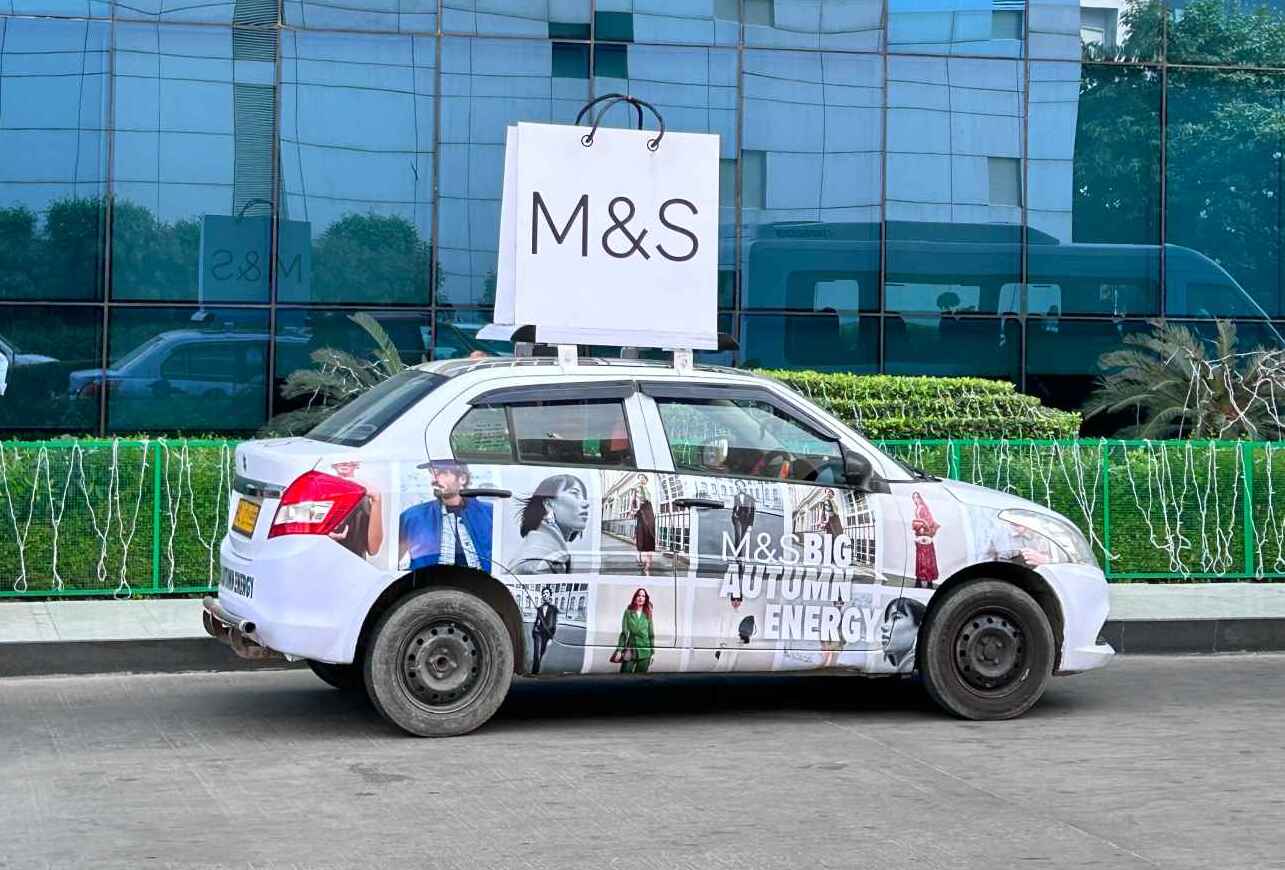
Urban India is changing fast, and so is outdoor advertising. As cities become denser and consumers grow more mobile, brands are shifting focus from static hoardings to high-visibility moving media. Ride-Hailing Cab Branding Is Becoming the New Billboard for Urban India, and this shift is not accidental. Instead, it is driven by daily commute patterns, app-based mobility growth, and the need for sustained brand exposure.
Unlike traditional billboards that rely on one fixed location, branded cabs move across business districts, residential zones, airports, malls, and nightlife hubs. As a result, advertisers achieve both scale and frequency in a single campaign.
Why Ride-Hailing Cab Branding Works in Urban India
Ride-hailing platforms such as Ola and Uber operate at the heart of urban movement. Every day, millions of rides take place across metro cities. Consequently, each cab becomes a rolling billboard visible to pedestrians, motorists, office-goers, and shoppers.
Moreover, cab branding offers uninterrupted visibility. While digital ads can be skipped and print ads have limited shelf life, a branded cab stays on the road for hours. Therefore, brands enjoy repeated impressions without competing distractions.
Ride-Hailing Cab Branding Is Becoming the New Billboard for Urban India
Traditional billboards are expensive and location-dependent. In contrast, ride-hailing cab branding delivers dynamic reach. Because cabs travel across multiple micro-markets in a single day, brands penetrate diverse audience segments efficiently.
Additionally, urban consumers trust familiar mobility platforms. When a brand appears on a commonly used cab, it benefits from contextual credibility. As a result, brand recall improves, especially for FMCG, fintech, OTT platforms, real estate, and app-based services.
Formats That Drive Higher Brand Recall
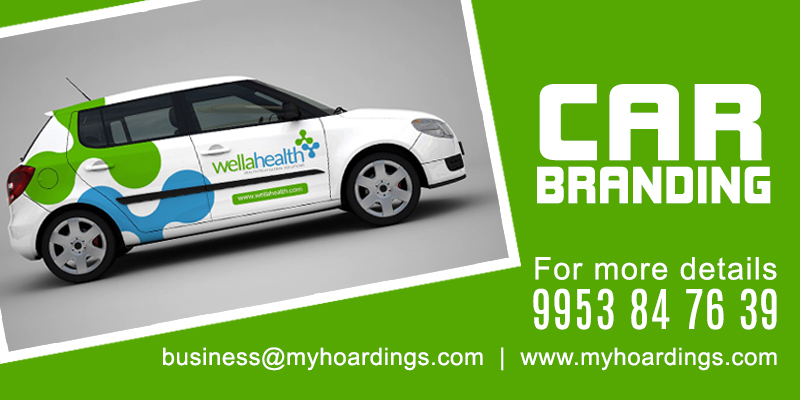
Ride-hailing cab branding is not limited to simple door stickers. Instead, advertisers now use multiple high-impact formats, including:
-
Full cab wraps for maximum visual dominance
-
Back-glass branding for strong traffic-facing visibility
-
Roof-top media to stand out in congested zones
-
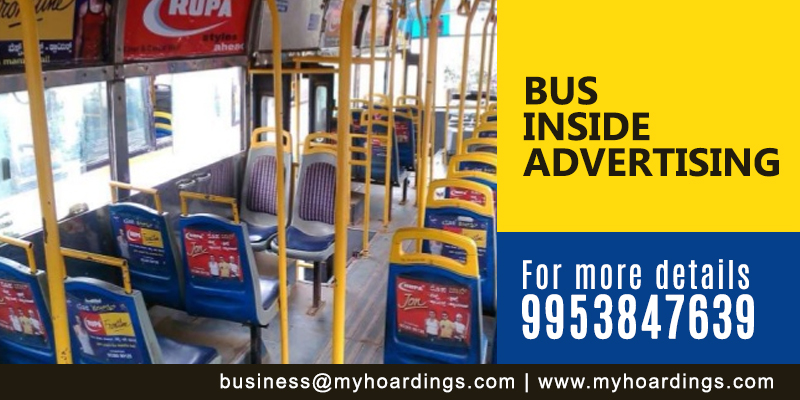
In-cab panels and seat-back branding for captive audiences
Because passengers spend 20–60 minutes per ride, in-cab branding reinforces messaging. Hence, both awareness and consideration stages are addressed simultaneously.
Hyperlocal Targeting Through Mobility Routes
One major advantage is route-based exposure. Since ride-hailing cabs follow real commute paths, brands reach audiences where they actually live and work. For example, a fintech app can focus on IT corridors, while a retail brand can dominate mall-heavy routes.
Furthermore, campaigns can be city-specific or zone-specific. Therefore, advertisers gain flexibility without increasing media waste. This makes ride-hailing cab branding especially effective for startups and regional brands entering metro markets.
Cost Efficiency Compared to Static Outdoor Media
While large-format billboards demand premium rentals, ride-hailing cab branding offers predictable pricing. Campaigns usually run for 15, 30, or 90 days, ensuring consistent exposure. Additionally, performance can be tracked using GPS routes, photo audits, and impression estimates.
As budgets tighten, marketers prefer media that delivers both reach and longevity. Hence, ride-hailing cab branding continues to replace or complement traditional outdoor formats.
Integration With Digital and Experiential Campaigns
Another reason ride-hailing cab branding is becoming the new billboard for urban India is its integration potential. Brands often sync cab branding with app installs, QR codes, influencer campaigns, and event activations.
For instance, a QR code on a cab door can lead to app downloads or limited-time offers. Consequently, offline visibility converts into online action, strengthening ROI.
The Future of Urban Outdoor Advertising
As urban mobility expands and smart cities evolve, moving media will dominate city landscapes. Cab branding aligns perfectly with this transformation. It is flexible, scalable, and deeply embedded in daily urban life.
Therefore, brands that want continuous visibility without static limitations are increasingly choosing this format. In the coming years, cab branding will not just support outdoor advertising—it will redefine it.