How Mall Advertising Helps Brands Reach High-Spending Urban Consumers

Shopping malls have evolved far beyond being simple retail spaces. In modern urban cities, malls function as lifestyle destinations where people come not only to shop but also to dine, socialize, and spend leisure time. For brands looking to connect with urban consumers who have strong purchasing power, mall advertising offers a powerful and highly targeted platform.
Unlike many traditional outdoor advertising formats, mall brandings advertising places brands directly in environments where consumers are already in a spending mindset. This makes malls one of the most effective locations for influencing purchasing decisions and building strong brand recall among high-value audiences.
Why Malls Attract High-Spending Consumers
Urban shopping malls are typically located in prime city areas and attract visitors from affluent residential neighborhoods and business districts. The majority of mall visitors include professionals, families, and young consumers who are comfortable spending on lifestyle products, fashion, electronics, dining, and entertainment.
Because malls are designed as premium retail environments, visitors often spend longer periods of time inside them. A typical mall visit can last anywhere between one to three hours, giving brands multiple opportunities to capture attention through strategically placed advertising media.
For advertisers, this extended dwell time creates a strong advantage compared to many outdoor formats where consumers may only see an advertisement briefly.
High Visibility Within a Controlled Environment
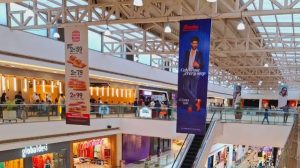
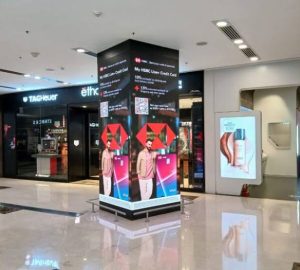
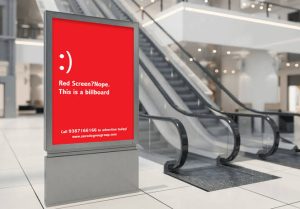
Mall advertising benefits from a controlled indoor environment. Unlike roadside billboards that compete with traffic and visual clutter, mall media is placed in carefully designed spaces such as entrances, escalators, atriums, corridors, and food courts.
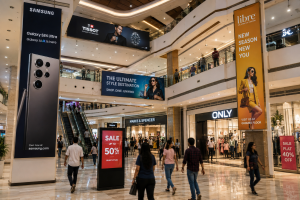
These locations naturally attract attention as visitors move through the mall. Large atrium banners, digital screens, standees, and branding panels ensure that advertisements remain visible throughout the visitor’s journey.
Because visitors often pass through the same areas multiple times during their visit, the brand message receives repeated exposure, which strengthens recall.
Perfect Platform for Premium Brand Positioning
Many brands use mall advertising not just for visibility but also for premium brand positioning. The modern mall environment reflects lifestyle, aspiration, and modern consumer culture. Advertising in such spaces allows brands to associate themselves with this premium setting.
Luxury brands, automobile companies, electronics manufacturers, fashion labels, and lifestyle products frequently use mall advertising to showcase their latest offerings. The visual appeal of mall interiors also allows brands to create more attractive and immersive advertising displays.
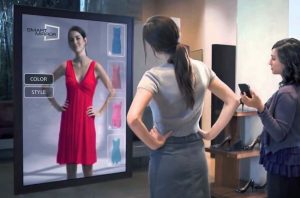
Large-format banners, interactive digital screens, and creative installations help brands present their message in a visually engaging way.
Influencing Purchase Decisions at the Point of Sale
One of the biggest advantages of mall advertising is proximity to retail stores. Many brands advertise within malls where their products are also available for purchase. This creates a strong connection between awareness and action.
For example, a fashion brand may run a digital advertising campaign inside the mall while its store is located just a few floors away. When visitors see the advertisement and later pass by the store, they are more likely to walk in and explore the products.
This direct influence on purchasing behavior makes mall advertising especially valuable for retail brands.
Ideal for Product Launches and Promotional Campaigns
Shopping malls also serve as excellent venues for product launches and promotional campaigns. Brands often combine mall advertising with on-ground activation activities such as product demonstrations, sampling drives, pop-up stalls, and promotional events.
These activities allow brands to interact directly with consumers while the surrounding mall media creates additional awareness.
For example, a technology brand launching a new smartphone may display large digital advertisements across the mall while simultaneously hosting a product experience booth in the atrium. This integrated approach helps create excitement and engagement among mall visitors.
Reaching Multiple Consumer Segments
Another advantage of mall advertising is the diversity of the audience. Malls attract visitors across multiple age groups and income segments, including young professionals, families, students, and tourists.
This variety allows brands from different industries to benefit from mall media. Fashion brands target young shoppers, food and beverage companies reach families and groups of friends, while electronics and lifestyle brands engage tech-savvy consumers.
Because malls bring together different consumer segments in a single location, advertisers gain access to a wide yet valuable audience.
The Growing Role of Digital Mall Media
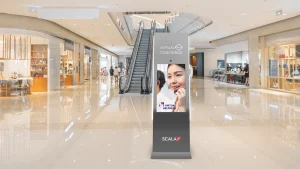
In recent years, digital screens have become a major component of mall advertising. Digital Advertising displays placed near entrances, escalators, and food courts allow brands to run dynamic and visually engaging campaigns.
These screens can showcase high-quality videos, animations, and multiple brand messages throughout the day. The movement and brightness of digital screens naturally attract attention, making them particularly effective for capturing consumer interest.
As malls continue to adopt more digital infrastructure, the possibilities for creative advertising are expanding.
Conclusion
Mall advertising offers brands a unique opportunity to connect with high-spending urban consumers in an environment where people are already in a shopping mindset. With high footfall, extended dwell time, and premium surroundings, malls provide an ideal platform for brand visibility and engagement.
By combining strategic placement, creative visuals, and interactive promotional activities, brands can use mall advertising to strengthen awareness, influence purchasing decisions, and build long-term relationships with urban consumers. As retail spaces continue to evolve, mall advertising is likely to remain a powerful tool for brands aiming to reach affluent audiences in major cities.