The pause economy: why mall advertising wins in the moments when consumers stop making digital decisions??
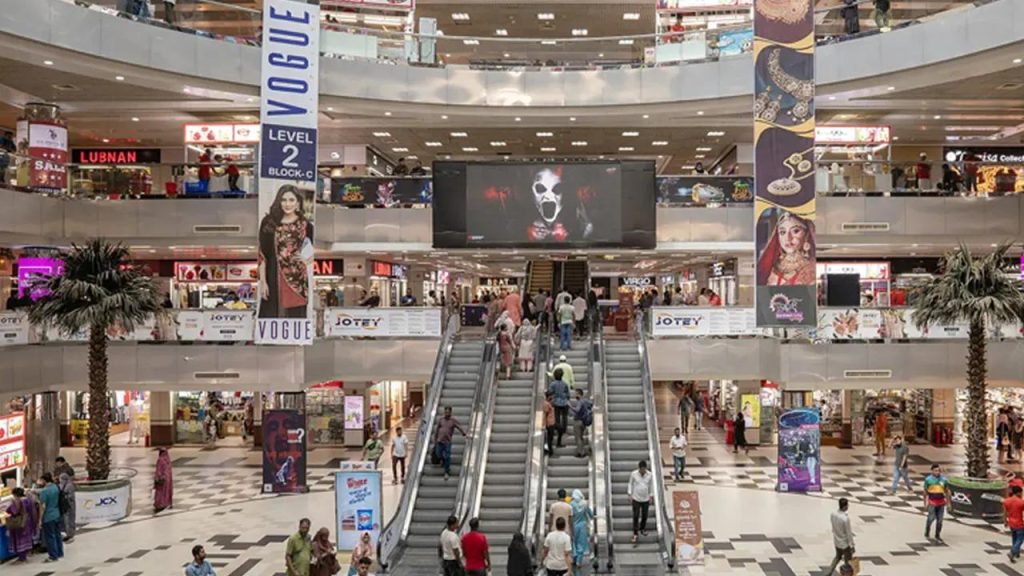
In a world dominated by digital notifications, short-form videos, and constant scrolling, attention has become fragmented. Consumers switch between apps, platforms, and messages within seconds. Mall advertising operates in a very different environment. It reaches people during natural pause moments when they are physically present, mentally engaged, and more open to discovering brands.
When consumers stop scrolling
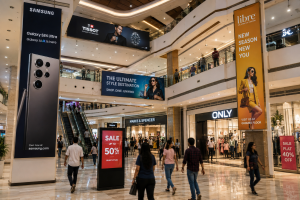
The strongest advantage of mall advertising is that it reaches consumers when they are not actively navigating digital distractions. Escalators, atriums, food courts, waiting areas, cinema zones, and retail corridors create moments where people naturally slow down.
These pauses are valuable because attention becomes more focused and less fragmented than it is on personal screens.
Physical attention creates stronger recall
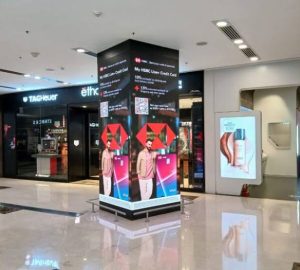
Digital advertising often competes with multiple notifications and endless content. Mall advertising benefits from a premium physical environment where large-format visuals, digital displays, experiential activations, and storefront branding are easier to notice.
Repeated exposure across different mall zones helps strengthen familiarity and long-term brand memory.
The psychology of shopping pauses
Consumers rarely move continuously through a mall. They stop to compare products, wait for friends, dine, browse collections, or rest between purchases. These moments increase observation time and create opportunities for brands to influence consideration rather than simply generate awareness.
This makes mall advertising particularly effective for fashion, beauty, electronics, jewellery, automotive, financial services, food brands, and lifestyle categories.

From interruption to discovery
One of the most important differences between mall advertising and digital advertising is context. Digital ads often interrupt an existing activity. Mall advertising becomes part of the shopping experience itself.
When a campaign is integrated into the physical environment, consumers perceive it as discovery rather than disruption