The Evolution of OOH Advertising in India: From Posters to Digital Billboards
3 min read
Out-of-home (OOH) advertising has come a long way in India. What started as simple painted walls and paper posters has now transformed into dynamic digital billboards and interactive transit media. This evolution is not just a shift in format but a reflection of changing consumer behavior, urban expansion, and the influence of technology.
The Early Days: Simplicity and Scale
OOH advertising in India traces its roots back to painted wall murals and posters in bustling marketplaces. In the pre-digital age, these formats relied on eye-catching visuals, localized language, and mass visibility. Cities like Mumbai and Kolkata were already dotted with hoardings in the 80s, but these were largely static, handmade, and operated by local vendors.
The beauty of early OOH lay in its ability to deliver visibility at scale without the complexities of modern media buying. It worked best in high footfall areas—railway stations, movie halls, and bazaars. Campaigns were crafted to be loud and memorable, often reflecting pop culture and political sentiment.
The Turn of the Millennium: Standardization and Regulation
By the late 90s and early 2000s, India’s advertising industry witnessed a push toward formalization. Municipal corporations across cities began implementing licensing norms for billboard owners. The growing number of FMCG, telecom, and automobile brands demanded more structured OOH inventory and professional management.
This period saw a rise in standard hoarding sizes, increased use of flex printing, and better visibility planning. Agencies started offering media planning services for outdoor ads—marking the beginning of integrated OOH campaigns. The arrival of traffic data, impressions estimates, and more precise targeting brought accountability to outdoor media.
DOOH: Digital Out-of-Home and the New Age
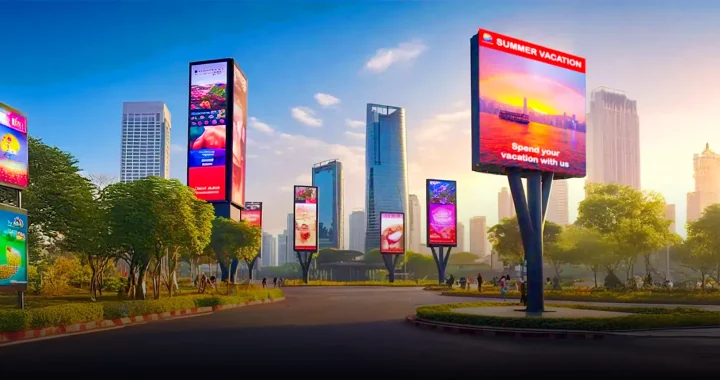
One of the biggest milestones in Indian OOH advertising came with the advent of Digital Out-of-Home (DOOH) media. Starting around 2015, metros like Delhi, Mumbai, and Bengaluru introduced digital billboards, LED screens in malls, airports, and even metro stations.
DOOH brought three key benefits:
-
Dynamic Content: Real-time updates, video content, and dayparting allowed advertisers to engage audiences more effectively.
-
Better ROI Measurement: Integration with mobile and digital tracking tools enabled better analytics.
-
Programmatic Buying: Brands could now schedule and control campaigns with greater agility—like digital campaigns.
Today, DOOH is making a significant footprint in tier 1 cities and slowly entering tier 2 towns. Touchscreens, geotargeting, and interactivity are not far from becoming the norm.

Brand Successes through Evolving OOH
Brands like Netflix, Zomato, and Cred have taken OOH to a whole new level with innovative campaigns. Netflix’s cryptic DOOH billboards generated buzz across metros, while Zomato’s witty static hoardings continue to win hearts with minimal budgets.
Even government bodies are using OOH formats to run impactful awareness drives—from Swachh Bharat to Covid-19 vaccination messages.
OOH is Now Multi-Dimensional
What makes modern OOH more effective than ever is its multidimensional nature. Here’s how:
-
Transit Advertising: Bus branding, metro train wraps, and cab branding have become mobile OOH assets.
-
Place-based Media: Malls, gyms, corporate parks, airports—OOH is everywhere your audience is.
-
Hyperlocal Targeting: With RWA activations, retail branding, and pincode-level planning, OOH is hyper-focused.
-
Integration with Digital: QR codes, app downloads, and SMS-based CTAs blend offline and online seamlessly.
The Future is Interactive and AI-Driven
The next phase of OOH will likely involve AI-based audience detection, facial emotion analysis, and AR/VR-enabled screens. With 5G rollout and smart cities, digital billboards will not only display ads but interact with mobile devices nearby.
In the near future, campaigns may be triggered based on weather, time, or even social trends—giving marketers unmatched personalization potential.
About MyHoardings
MyHoardings is a leading name in India’s OOH advertising ecosystem, offering end-to-end solutions for brands across the country. From static hoardings and transit branding to digital OOH and hyperlocal RWA activations, MyHoardings helps brands maximize visibility through a strategic media mix. With real-time assistance, competitive rates, and pan-India coverage, MyHoardings is your go-to partner for impactful outdoor advertising.
? Contact us at: 9953847639
? Visit: www.myhoardings.com
? Email: business@myhoardings.com
| Mode of Advertisement | Size | Rate (Starts from) |
|---|---|---|
| Hoardings | 12x8 | ₹ 10,000 |
| Unipoles | 10x10 | ₹ 5,000 |
| Bus Shelter | 12x8 | ₹ 1,20,000 |
| Skywalk | 12x8 | ₹ 40,000 |
| Metro Pillar | 12x8 | ₹ 18,000 |
| Digital OOH | 10x10 | ₹ 30,000 |