Full-Train Wraps on Delhi Metro (Pink, Blue & Magenta Lines): formats, dwell-time, and rider profiles
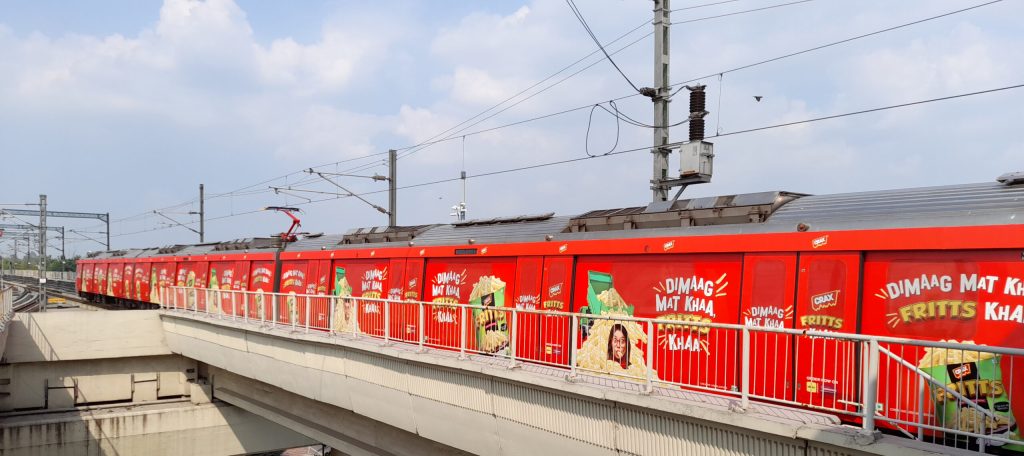
Full-train wraps on Delhi Metro are one of the highest-impact OOH plays in the NCR — huge reach, long view time at platform/boarding, and line-specific audience characteristics that make certain lines especially valuable for particular brands. Below I break down formats, typical exposure metrics (dwell / impressions / timing), rider profiles for the Pink, Blue and Magenta lines, cost signals and practical creative tips.
1) Formats — what “full-train wrap” can include
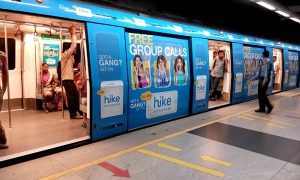
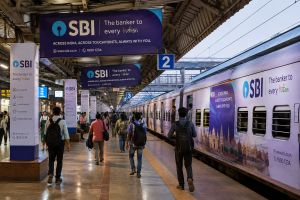
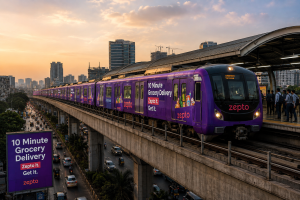
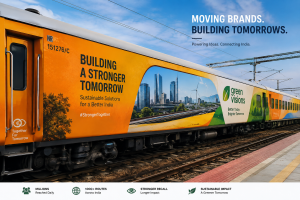
- Exterior full-train wrap (blanket branding) — vinyl or printed panels covering coach exteriors (doors + window areas + coach sides), sometimes the full rake. This is the classic high-impact option.
- Coach-level exterior panels — partial exterior panels (per coach) if a full wrap isn’t booked.
- Interior compartment wrap — full interior skin (walls, ceiling, luggage racks) to create an immersive environment.
- Door-panel & glass decals — targeted, lower-cost wrap elements visible when doors open/close.
- PIDS / platform digital screens + in-train display units — supplement physical wraps with moving creative or timed messages. Many campaigns bundle PIDS/digital impressions with train wraps.

2) Exposure & dwell-time (how long your creative has to work)
- Station/platform exposure: trains stop 20–45 seconds at many stations; boarding/alighting and platform crowding extend the effective view time for exterior panels (passengers waiting on platform plus those entering nearby shops/concourses). Studies and industry practice assume ~30 seconds as a useful average for short platform/view exposure.
- Onboard exposure: average journey times vary by rider, but travellers often remain in a train for multiple stops (several minutes), and interior wraps benefit from repeat views across a commuter’s regular trips. DMRC operates roughly ~06:00–23:00 on most lines, providing long daily exposure windows.
- Impressions & reach: Delhi Metro is among the world’s busiest systems — network ridership numbers are in the millions daily —so a full-train wrap on a busy line can deliver lakhs of impressions per day (campaign estimates vary by line & period). Line interchanges amplify reach as wrapped trains traverse many stations.
3) Rider profiles — Pink, Blue & Magenta (who you reach)
- Pink Line (Majlis Park ↔ Shiv Vihar)
- Audience: younger commuters, students (South Campus connections), shoppers and local retail footfall (Sarojini Nagar, Lajpat Nagar, South Extension), and good interchange connectivity to other lines. Ideal for youth-facing FMCG, apparel, quick-service restaurants, entertainment, higher-education and lifestyle brands. Campaign case studies show brands targeting youth/urban shoppers using Pink Line wraps.
- Blue Line (Noida-Vaishali ↔ Dwarka / HUDA City Centre corridors)
- Audience: heavy commuter volumes across long radial corridors; office commuters, long-distance suburban riders and shoppers; traditionally one of the higher-ridership lines on the network. Blue Line wraps work well for mass-market products, financial services, telco and recruitment/career campaigns that need scale.
- Magenta Line (Janakpuri West ↔ Botanical Garden; includes IGI Airport connection)
- Audience: mixes business travellers, airport passengers (where the line connects to IGI), and inner-city commuters; newer driverless/automated operations and modern rolling stock give a contemporary brand fit (tech, travel, premium retail, aviation partners). Magenta Line has seen branding targeted at premium & tech audiences.
4) Practical exposure metrics advertisers use (benchmarks you’ll see in proposals)
- Estimated daily eyeballs: agencies/halls mentioning Pink Line campaigns often cite figures in the “lakhs per day” range for well-placed full-train buys because of interchanges and busy retail nodes. Exact numbers depend on weekdays vs weekends and festival spikes.
- Dwell / view time: use 20–45 seconds as a planning average for platform exposures and several minutes average for interior views depending on passenger journey length. (Many media planners model multiple exposures per commuter per day).
5) Cost signals (ballpark / market indicators)
- Published marketplace listings and OOH vendors show full-train wraps typically advertised in the multi-million INR range per campaign (figures differ by line length and number of coaches; sample commercial listings on vendor platforms list figures in crores for full-rake exterior wraps and lower for partial/6-coach options). These are useful to get quick vendor quotes but always confirm exact DMRC/Times OOH pricing and inclusions.
6) Creative & execution tips for full-train wraps
- High-contrast, bold visuals — exterior views are often rapid and cluttered; keep message minimal and brand-forward (logo + single benefit).
- Key frame at doors & interchanges — doors open/close and interchange platforms give repeat pause points; use imagery aligned to door panels for short reads.
- Leverage interior + PIDS combo — couple exterior wrap with interior mezzanine messaging and PIDS screens for sequence storytelling (teaser → CTA).
- Localize creatives per line — Pandora’s box: Pink Line creatives that lean youthful/retail, Blue Line that leans scale/utility, Magenta Line for premium/airport travellers.
7) Scheduling & timing considerations
- Festival spikes & weekday peaks: ridership surges during festivals and weekends change impression rates; plan buys or bonus days around festival calendars for extra reach. DMRC publishes operating hours and sometimes extends services during events — coordinate with agency & DMRC for exact run windows.

8) Quick checklist before you buy
- Confirm whether the buy is exclusive full-rake or per coach and which coaches (6 vs 8 coach options).
- Ask for line-wise impression estimates (weekday/weekend split; interchange boost).
- Validate installation & removal windows (wrap fitment requires depot access and train layover).
- Request digital/PIDS inclusion and measureability (if you want frequency capping or dynamic messaging).