




DOOH Advertising Trends Dominating Indian Markets in 2026
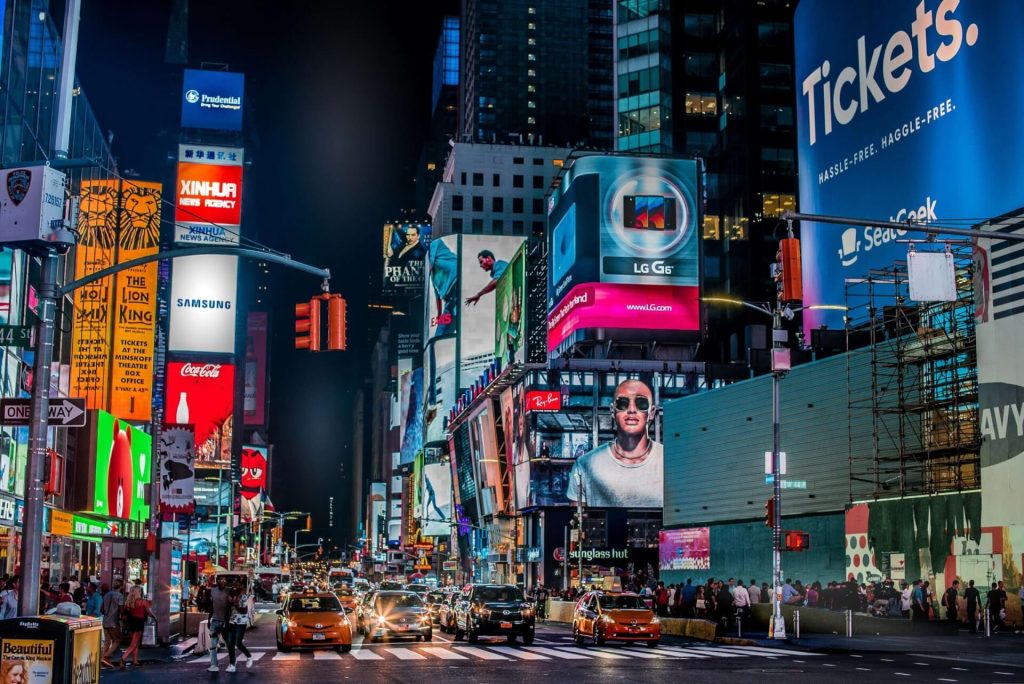
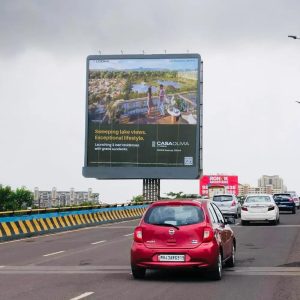
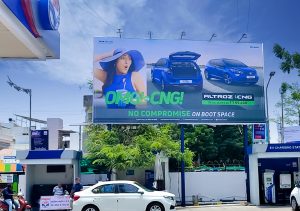
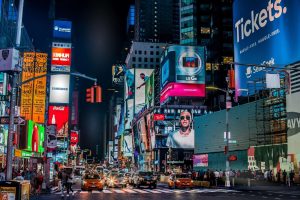
If you’ve walked through CyberHub in Gurgaon or taken a stroll near the Palladium in Mumbai lately, you’ve probably noticed that the billboards aren’t just “boards” anymore. They are alive. We are currently living through the biggest shift in Indian advertising history. Digital Out-of-Home (DOOH) has officially moved past being a luxury for big brands and has become a survival tool for everyone else.
Here is what is actually moving the needle in the Indian DOOH space in 2026.
The “Viral” Power of 3D Anamorphic Screens
You’ve seen the videos on Instagram a giant 3D dragon flying out of a building or a wave crashing against the glass. These anamorphic screens have landed in India in a big way. Locations like Bengaluru’s Brigade Road are now using these “L-shaped” LED displays to create illusions that stop people in their tracks. The real magic here isn’t just the person seeing it on the street; it’s the fact that everyone pulls out their phone to record it. For a brand, a single 3D billboard can turn into a viral campaign that reaches millions on WhatsApp and Reels for free.
Ads That React to the Weather and Traffic
The most annoying thing about old-school hoardings was that they were “stuck.” If it was pouring rain in Mumbai, your ad for ice cream still played. Not anymore. In 2026, DOOH screens are connected to live data.
Brands are now using “triggers.” For example, a tea brand like Brooke Bond can program a screen near a Delhi Metro station to only show “Hot Chai” ads when the temperature drops below 15°C or when the local sensors detect rain. Similarly, a food delivery app might bid more for screen time specifically during heavy traffic jams when they know people are getting hungry and frustrated. This is “contextual” marketing, and it’s much more effective than just shouting at everyone all day.

Programmatic Buying: The “Facebook-ification” of Billboards
In the past, if you wanted to put up a digital ad, you had to call a vendor and sign a 30-day contract. Today, we have Programmatic DOOH (pDOOH). It works just like buying an ad on your phone. A small business owner in Jaipur can now log into a dashboard and buy “slots” on a digital screen for just three hours during the evening rush. This has opened the doors for local startups who couldn’t afford a full month of advertising but can definitely afford to dominate a specific Friday night.
The “Phygital” Habit
Indians are now very comfortable with QR codes thanks to UPI. Smart DOOH screens are leveraging this. In 2026, we see a lot of “Scan to Play” or “Scan to Discount” ads. A fashion brand might show a 10-second clip of a model in a new dress at a mall entrance. The viewer scans the code on the screen, and the dress is instantly added to their Myntra or Ajio cart. This removes the “I’ll buy it later” excuse and turns a random glance on the street into an immediate sale.
Sustainability: Green is the New Gold
Finally, there is a massive move toward “Green DOOH.” With India’s focus on sustainability, many new digital kiosks in smart cities are 100% solar-powered. Some even use “smog-eating” technology where the screen surface itself helps neutralize pollutants in the air. For a modern Indian consumer, seeing a brand on a sustainable screen builds a lot more respect than a plastic vinyl hoarding that will end up in a landfill.
Final Thought
The streets of India are becoming a giant, interactive digital gallery. Whether it’s the 3D visuals of a new car or a weather-triggered ad for a hot coffee, DOOH in 2026 is about being smart, not just loud. If your brand isn’t part of the digital streetscape yet, you’re essentially invisible to the modern Indian commuter.