



Petrol Pump Advertising as a High-Impact Branding Channel
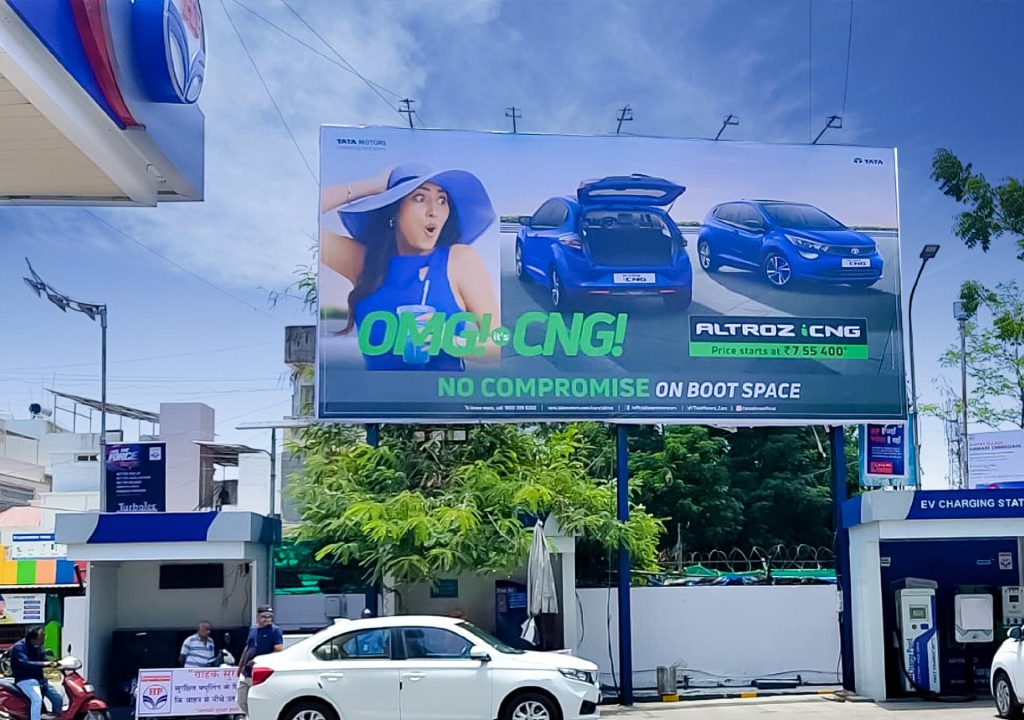
In the world of marketing, we are always looking for “dwell time” those precious minutes where a customer isn’t distracted and is actually looking for something to read. In India, there is perhaps no better place for this than the petrol pump. Whether it’s a busy city bunk in South Delhi or a highway stop on the Mumbai-Pune Expressway, petrol pumps have evolved from simple refueling stations into high-impact branding hubs.
The “Captive” Advantage
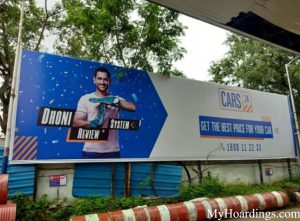
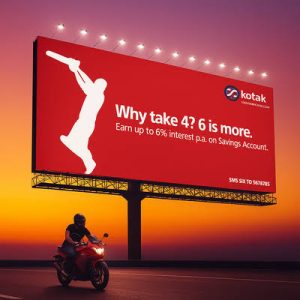
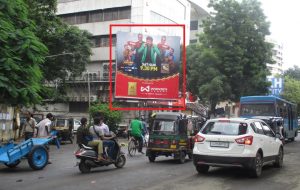
The biggest challenge with roadside billboards advertising is that people are usually moving at 40-60 km/h. They see your ad for three seconds, and then it’s gone. At a petrol pump, the dynamic changes. A driver or rider is stationary for anywhere between 3 to 7 minutes. They are literally a captive audience.
While the attendant fills the tank, the customer’s eyes naturally wander. They look at the pump nozzle, the pillars, and the kiosks. This is “active waiting” time. For a brand, this is a golden opportunity to deliver a message that is longer than just a three-word slogan. You can actually tell a story or explain a product feature here.
Hyper-Targeting: From Two-Wheelers to Luxury SUVs
One of the most underrated parts of petrol pump advertising is the ability to segment your audience physically. Most Indian petrol pumps have separate lanes for two-wheelers and four-wheelers.
If you are a brand selling affordable mobile data plans or local coaching classes, you can place your ads specifically in the two-wheeler lanes. On the flip side, if you are promoting a luxury real estate project or a high-end credit card, you can dominate the premium “Power” or “Speed” fuel islands where high-end car owners stop. This level of physical filtering is something you rarely get with traditional outdoor hoardings.

Multiple Touchpoints, One Location
A petrol pump isn’t just a single ad space; it’s a 360-degree environment. In 2026, smart brands are using “Trans-lit” boards on the main canopy, branding on the fuel nozzles (nozzle mittens), and even floor graphics.
Furthermore, many pumps now house “convenience stores” (like In&Out) or coffee shops. This allows for a “Path-to-Purchase” strategy. A digital screen at the pump can show an ad for a chilled energy drink, and the customer can walk exactly ten steps to the attached store to buy it. This immediate conversion is the holy grail of retail marketing.
The Trust Factor and Night Visibility
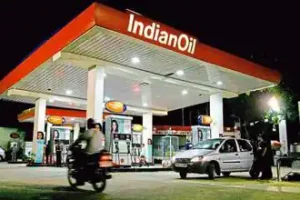
Petrol pumps are among the most well-lit areas in any Indian city. While many street-side hoardings become invisible after dark due to poor lighting, petrol pumps stay bright 24/7. This high-intensity lighting ensures that your brand looks premium and is visible even at 2:00 AM. Additionally, because fuel stations are high-security, regulated zones, there is a subconscious “trust” associated with the brands allowed to advertise there. It’s not just a random wall poster; it’s a vetted brand presence.
Digital Integration and Loyalty Apps
As we move further into 2026, the integration of digital screens at the pump (Petrol Pump DOOH) has changed the game. Many pumps now feature screens that show live news, weather, and crucially ads.
Brands are also tying up with fuel loyalty apps. Imagine a customer paying via a fuel app and instantly receiving a notification: “You just fueled up! Show this screen at the snack center for a free coffee.” This bridge between the physical act of refueling and a digital reward makes the branding experience memorable rather than intrusive.
Conclusion
Petrol pump advertising works because it respects the customer’s time while filling a void. It takes a mundane, repetitive task and turns it into a brand discovery moment. For any business looking to reach a mobile, middle-to-upper-class demographic in India, the fuel station is no longer just a pit stop it is a destination for high-impact storytelling.