




Transit Advertising vs Digital Marketing Performance in India
As we move through 2026, the Indian advertising scene has reached a fascinating crossroads. On one side, we have Digital Marketing, which has become the default choice for its precision and data. On the other, Transit Advertising branding on metros, buses, and autos is seeing a massive resurgence. For a brand manager in India, the question is no longer about which one is “better,” but which one actually drives a human being to make a purchase in the middle of a busy Indian street.
The Fight for Attention: Screen Fatigue vs. Physical Presence
Digital marketing in India is currently facing a “saturation wall.” The average Indi
Digital marketing’s superpower is its data. In 2026, AI-driven tools allow brands to target people baan smartphone user is bombarded with hundreds of ads daily across Instagram, YouTube, and news apps. This has led to “ad blindness,” where users subconsciously ignore anything that looks like a sponsored post.
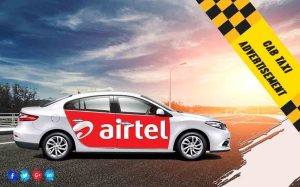
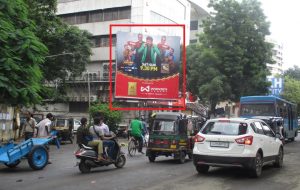
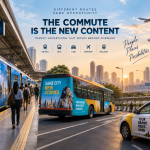
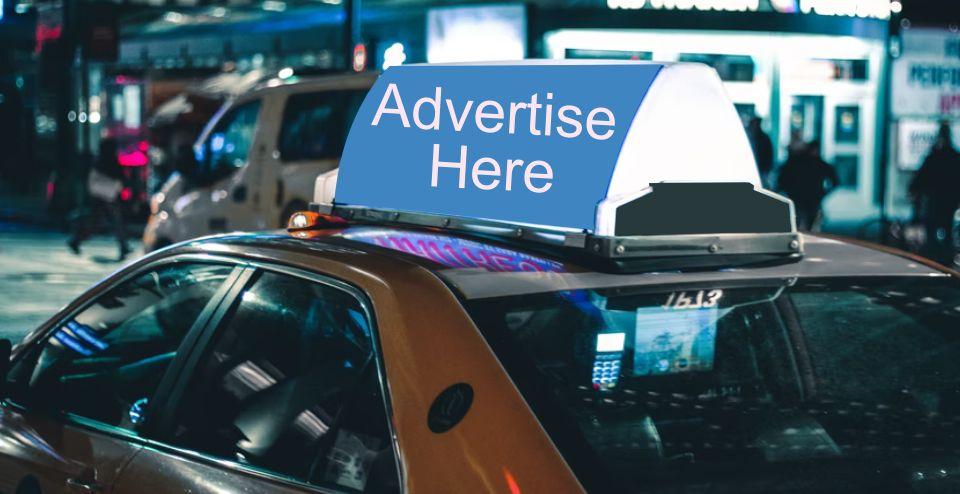
Transit advertising, however, wins on unavoidable visibility. You cannot “skip” a full-wrapped Delhi Metro train or “ad-block” a branded auto-rickshaw stuck in front of you at a Bengaluru traffic signal. Because transit ads live in the physical world, they offer a “captive” experience. When someone is commuting for 40 minutes, their brain is looking for a distraction, making them much more likely to actually read a bus panel than a fleeting Facebook ad.

Targeting: Data Precision vs. Route Precision
sed on their exact search history and salary brackets. If you want to reach 25-year-old women interested in vegan skincare, digital is your best bet.
However, transit advertising offers a different kind of precision: Location and Life-stage targeting.
-
The Metro Advantage: By advertising on the Mumbai Metro or the Hyderabad Metro, you are automatically targeting the “urban professional” people with fixed commutes and steady disposable income.
-
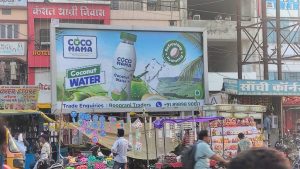
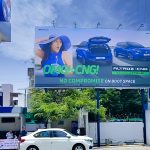
The Bus/Auto Advantage: This is the ultimate “Mass Reach” tool. A branded bus doesn’t just talk to the passengers; it talks to the thousands of pedestrians and motorists who see it moving through a specific neighborhood. It is “geographic targeting” at its most raw and effective level.
Cost Efficiency and ROI
When looking at the Cost Per Mille (CPM) the cost to reach 1,000 people transit advertising often beats digital in the long run. Digital ads in India have become significantly more expensive as more brands compete for the same keywords.
A one-time investment in a 3-month bus wrap or a fleet of branded cabs provides 24/7 visibility without the “per-click” cost. For a local retail store or a hospital, the ROI of a transit ad is often seen in “Local Brand Trust.” People tend to trust a brand more when they see it physically present in their city, whereas digital ads from unknown brands are often viewed with skepticism or seen as “spam.”

The “Phygital” Winner: Why Not Both?
In 2026, the highest-performing campaigns in India are Hybrid. Smart brands are using transit ads to build “Top-of-Mind Awareness” and digital ads to “Convert.”
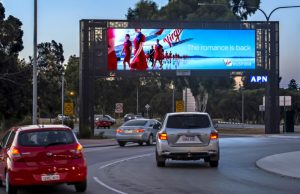
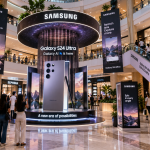
For example, a consumer sees a high-impact 3D ad for a new sneaker on a digital screen at a Metro station (Transit). They scan a QR code on the pillar to get a 10% discount. Later that evening, because they scanned the code, they receive a retargeted ad on their Instagram (Digital) to complete the purchase. This “Full-Funnel” approach ensures that the transit ad starts the conversation and the digital ad closes the sale.
Conclusion
Digital marketing is excellent for immediate conversions and niche targeting, but transit advertising is the king of brand authority and massive reach. In the cluttered Indian market of 2026, digital gets you the “click,” but transit gets you the “confidence.” For any brand looking to truly scale in an Indian city, the physical move through the streets is just as important as the digital move through the screen.