


Outdoor Advertising as a Trust-Building Medium for Brands in India
3 min read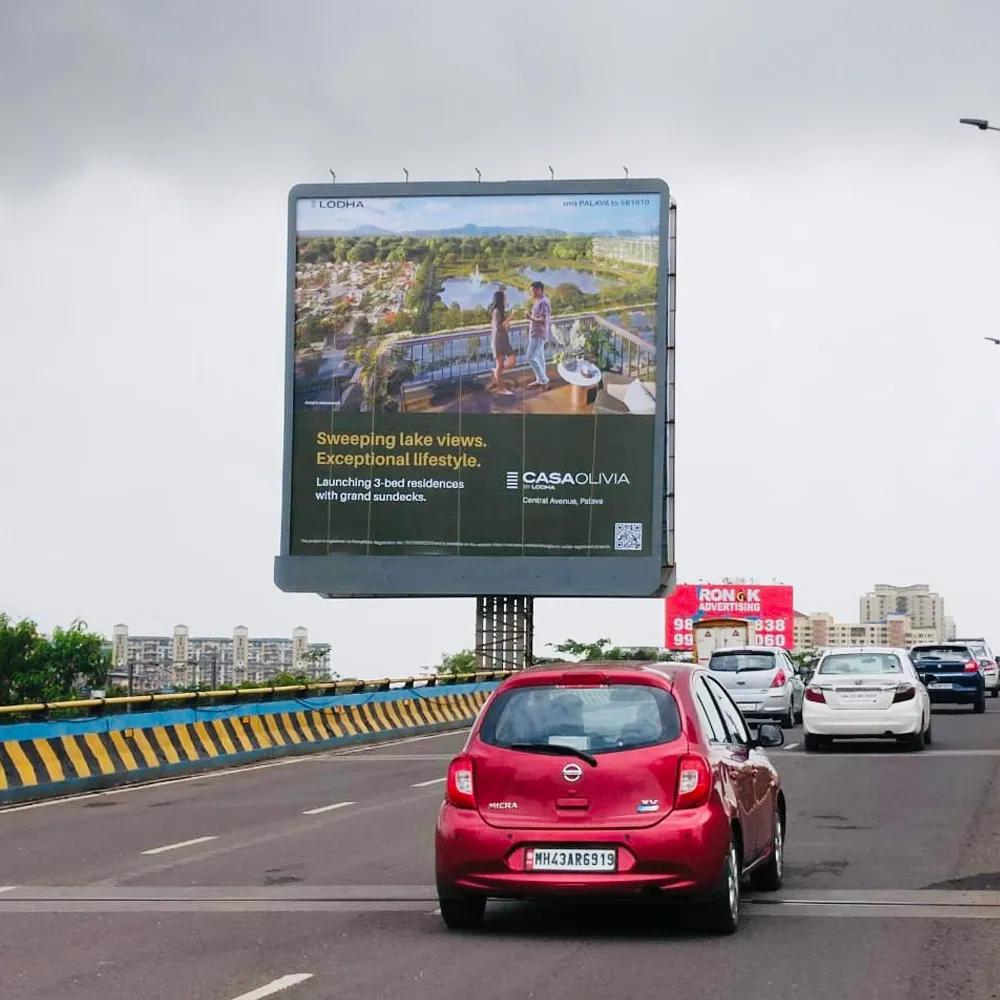
In the modern Indian marketing landscape, a strange paradox has emerged: the more time consumers spend on their phones, the more they trust what they see away from them. Digital screens are filled with fleeting ads, but a brand that occupies physical space in the real world sends a different message entirely. For Indian consumers, outdoor advertising be it a massive hoarding or a digital screen at a metro station is more than just an ad; it is a sign of a brand’s permanence and reliability.
The Psychology of Physical Presence
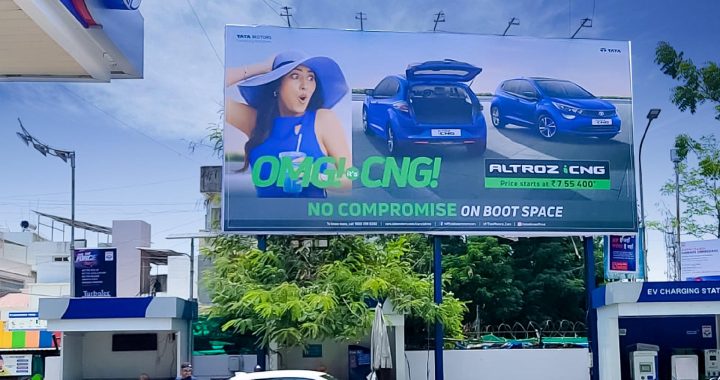
There is a deep-seated psychological reason why Indians trust billboards advertising. A physical hoarding requires an investment in the real world. Unlike a social media ad that can be set up in five minutes with a credit card, a billboard at a major junction like Mumbai’s Western Express Highway or Delhi’s DND Flyway suggests that a brand is established, well-funded, and here to stay.
In a culture where “seeing is believing,” the sheer size and physical reality of outdoor media act as a badge of authenticity. When a brand occupies a premium spot in a city, it subconsciously signals to the consumer: “We are a serious player, and we are not going anywhere.”

Escaping the “Ad-Blocker” Mindset
Digital fatigue is real. By 2026, nearly 45% of Indian smartphone users have some form of ad-blocking enabled or have simply learned to “scroll past” sponsored content. Digital ads are often seen as interruptions to the user experience.
Outdoor advertising, however, is non-intrusive. It doesn’t interrupt a video or pop up over a news article. It simply exists in the shared public space. Because it doesn’t “demand” attention aggressively, consumers are less defensive when they see it. This lack of friction allows the brand message to seep into the consumer’s subconscious over time, building a foundation of trust without the irritation often associated with online marketing.
Familiarity Leads to Favorability
In India, the daily commute is a ritual. Millions of people take the same route to work or college every single day. This creates an opportunity for “repeated exposure.” When a commuter passes the same local hospital’s board or a jewelry shop’s sign for 20 days a month, a psychological phenomenon called the “Mere Exposure Effect” kicks in.
The brand starts to feel like a familiar neighbor. By the time that consumer actually needs a service, they don’t go to Google; they go to the brand they’ve “known” for months. This familiarity is the bedrock of trust in the Indian middle class, where reliability often outweighs a low price.
The “Verified” Status of Public Spaces
Public spaces in India airports, railway stations, and bus shelters are highly regulated. Consumers know that these spaces are vetted by local authorities. Therefore, a brand displayed on a Delhi Metro pillar or an electric bus wrap carries a “third-party” seal of approval. This is especially important for sectors like FinTech, Real Estate, and Healthcare, where trust is the most critical factor in the buying process. A billboard for a new apartment complex feels more “verified” than a random Facebook post about the same project.
Cultural Integration and Regional Trust
Outdoor advertising allows brands to speak the local language of the street. In 2026, the most trusted brands are those that adapt their outdoor creatives to regional nuances. A brand that uses a local idiom in a Kolkata metro station or celebrates a local festival on a Chennai bus shelter earns “brand love.” This cultural alignment shows that the brand understands and respects the community, transforming it from a “faceless corporation” into a trusted local entity.
Conclusion
While digital marketing is excellent for data and clicks, outdoor advertising is the king of credibility. In the cluttered, fast-paced Indian market of 2026, the physical billboard is the anchor. It provides the “proof of life” that consumers need before they click “buy” on their phones. By standing tall in the real world, brands don’t just get seen they get trusted.