
How to Plan a 360 Degree Outdoor Advertising Campaign Across India
4 min read
If you tell a veteran media buyer in India that you want a “360-degree campaign,” they won’t think about digital pie charts. They’ll think about the nightmare of coordinating with 40 different vendors, making sure a hoarding in Ludhiana doesn’t have a Punjabi spelling error, and praying the monsoon doesn’t rip down your premium site in Mumbai.
A true 360-degree advertising campaign in India is a beast. It’s not just about being “big”; it’s about being “everywhere” without looking like a stranger. Here is the realistic blueprint for owning the Indian landscape in 2026.
1. The “Power Centers” vs. The “Pulse”
India operates at two speeds. You have the Tier-1 metros (the Power Centers) and the Tier-2/3 towns (the Pulse).
-
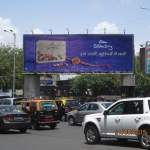
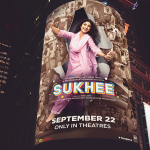
For the Metros (Mumbai, Delhi, Bangalore): Think Impact. This is where you spend on the “hero” assets the 3D anamorphic screens at CyberHub or the massive “domination” of a Delhi Metro station. You’re fighting for the attention of people who are already over-stimulated.
-
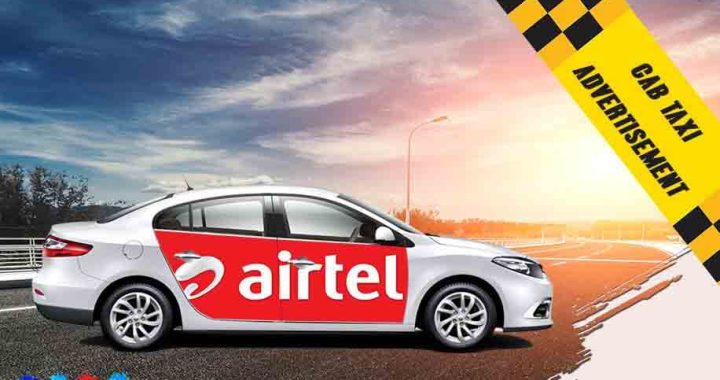
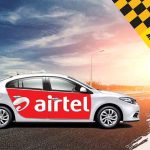
For the Rest (Indore, Surat, Patna): Think Frequency. In these cities, people still look at the street. A well-placed wall wrap or a fleet of branded auto-rickshaws often has a higher trust factor than a shiny digital screen.

2. The Transit “Trail” (Following the Commuter)
A 360 campaign means catching your customer at every stage of their journey. In India, the journey is long and slow.
-
The Morning Rush: Use Metro pillar branding or bus wraps. People are stuck in traffic; they have nothing to do but stare at your ad.
-
The Mid-Day Hustle: Focus on “Street Furniture” bus shelters and kiosks near office hubs and colleges.
-
The Evening Wind-down: Digital screens in malls or “Society Branding” (ads inside residential elevator screens). This is where the actual buying decisions often happen.
3. Localization: Beyond Just Translation
This is where most national campaigns fail. They take an English tagline and translate it into Hindi, Marathi, or Telugu using a tool. It feels fake.
-
The Insider Secret: Use “Transcreation.” If your brand uses a pun in English, find a local idiom in Tamil that carries the same feeling.
-
The Visuals: If your ad features a family eating dinner, the “look” of that dining room should subtly change between a hoarding in Chandigarh and one in Kochi. If it feels local, it feels like a neighbor is recommending the product, not a faceless corporation.
4. The “Digital Handshake”
In 2026, an outdoor ad that doesn’t talk to a phone is a wasted opportunity. But don’t just slap a tiny QR code on a 40-foot board (nobody can scan that from a moving car).
-
The “Geofence” Strategy: Coordinate your OOH with mobile ads. If someone spends 10 minutes at a signal near your billboard, trigger a “sponsored story” on their Instagram that evening.
-
Interactive Kiosks: At airports or malls, use “Tap-to-Phone” (NFC) technology. People are much more likely to tap their phone against a poster than they are to open their camera app to scan a code.
5. Managing the “Ground Reality”
Planning a 360 campaign across 20+ states is a logistical puzzle.
-
Legal Scrutiny: Every city has its own “Billboard Policy.” Mumbai is strict about size; Delhi is picky about lighting. Make sure your agency has the Municipal Permissions in writing for every single site.
-
The “Live” Audit: Don’t trust a “photoshop” of your ad on a board. Demand a video of the site taken that morning. In India, a new tree or a construction crane can block your “premium” view overnight.

6. Sustainability is Your PR Shield
The Indian government and the public are finally pushing back against plastic waste.
-
The Move: Use PVC-free vinyl and solar-powered LEDs. In many parts of Bangalore and Pune, traditional vinyl is being phased out. Using eco-friendly materials isn’t just about the planet it’s about making sure your ad isn’t the one getting torn down by the municipal corporation during a “Green Drive.”
The 3-Phase Campaign Rollout
-
Week 1 (The Tease): Small, mysterious “Coming Soon” ads on auto-rickshaws and digital screens.
-
Week 2 (The Blast): The main hoardings go up, and the Metro “dominations” begin.
-
Week 3 (The Hook): Launch the mobile retargeting and mall activations to convert that awareness into actual sales.
Conclusion
A 360-degree campaign in India is about surround sound. You want the consumer to feel like your brand is a permanent part of their city. It takes more work than a digital-only campaign, but in a country where “seeing is believing,” nothing beats the authority of a massive physical presence on the Indian street.