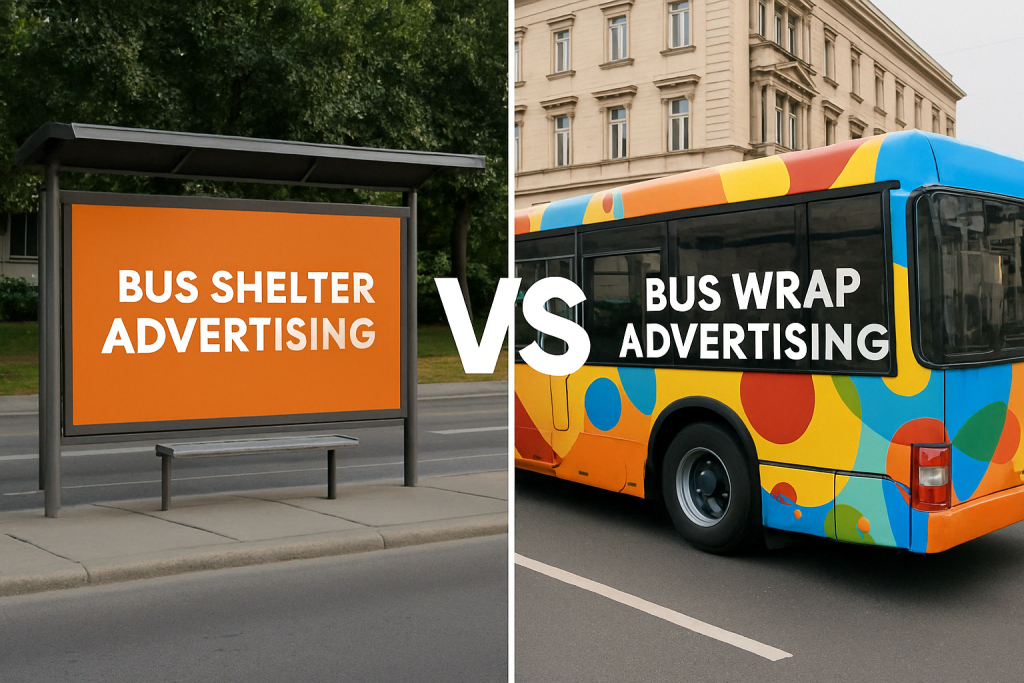

In the world of transit media, two formats dominate city streets: Bus Shelter Advertising and Bus Wrap Advertising. Both are powerful tools to drive bus advertising success, but they serve different goals, budgets, and brand types. Choosing between them—or strategically combining both—can be the key to a successful outdoor campaign.
In this guide, we break down the strengths, limitations, and best-use cases of both formats to help you choose what’s right for your brand.
? Bus Shelter Advertising: Static Impact at High Footfall Zones
Bus shelters are among the most visible street-level advertising formats. Found at busy intersections, markets, residential areas, and metro feeder points, these structures provide guaranteed dwell time due to waiting passengers.
✅ Key Benefits:
-
High dwell time – people spend 3–15 minutes waiting at bus stops
-
Neighborhood-level targeting – ideal for hyperlocal promotions
-
Static brand presence – always visible, day and night
-
Customizable formats – backlit panels, side panels, roof-top panels, and more
Best For:
-
Local businesses
-
Retail chains
-
Real estate projects
-
Public awareness or government campaigns
Limitations:
-
Stationary – limited to one location
-
Prone to message fatigue if placed for too long without change
-
Less creative space compared to wraps
? Bus Wrap Advertising: Branding That Moves
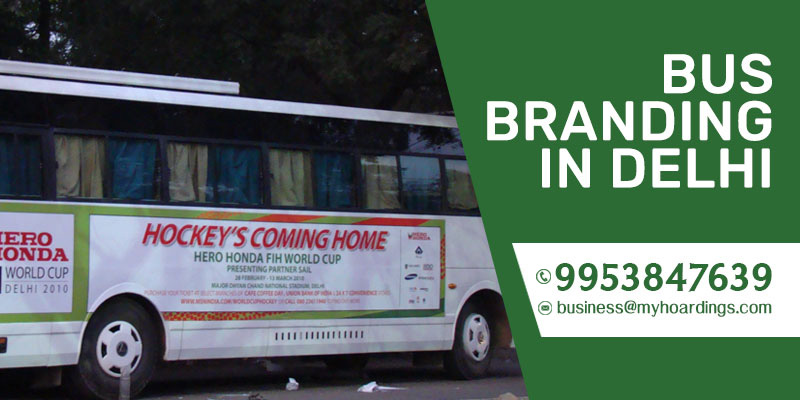
On the flip side, bus wraps offer branding in motion. Your message travels through the city, covering diverse zones throughout the day. It’s a moving billboard with a broader footprint.
✅ Key Benefits:
-
City-wide visibility – reaches multiple touchpoints
-
Higher impressions per day due to mobility
-
Better creative canvas – entire bus body is your canvas
-
Memorable and attention-grabbing, especially in traffic
Best For:
-
Product launches
-
App promotions
-
Startup awareness
-
Large FMCG and lifestyle brands
-
Pan-city campaigns
Limitations:
-
Creative must be bold and minimal to be legible on a moving vehicle
-
Requires careful route selection to align with target audience
-
Bus availability and government approvals may delay rollout

? Bus Advertising Success: Which One Performs Better?
It depends on your campaign objectives:
| Objective | Better Option |
|---|---|
| Hyperlocal Targeting | Bus Shelter Ads |
| Wide City Outreach | Bus Wrap Ads |
| Budget-Friendly Visibility | Bus Shelters (per unit) |
| Creative Storytelling | Bus Wraps |
| Stationary Repetition | Bus Shelters |
| Mobile Brand Recall | Bus Wraps |
For maximum bus advertising success, many brands opt for an integrated campaign, placing shelter ads in high footfall zones and bus wraps to ensure movement-based outreach.
? Hybrid Strategy Example
A fintech startup might:
-
Use bus shelters near corporate parks for trust-building and branding
-
Use bus wraps with QR codes for app installs across the city
This mix ensures both dwell-time visibility and mobile reach, doubling ROI.
? Cost Consideration
-
Bus Shelter Ads are charged per shelter, often based on location, format (lit/unlit), and duration.
-
Bus Wrap Ads depend on bus type (AC, non-AC), number of buses, format (full wrap/side/rear), and campaign period.
MyHoardings helps optimize budgets by mapping target audience zones and proposing the right mix based on your campaign objectives.
✅ Final Thoughts
Both bus shelter and bus wrap ads are essential parts of a high-performance bus advertising success strategy. If you’re aiming for deep neighborhood-level presence, shelters win. If you’re aiming for buzz, repetition, and scale—bus wraps take the crown.
And when both work together? That’s when brands get true street domination.
? Plan Your Perfect Campaign with MyHoardings
Whether you’re looking for fixed shelter visibility or moving brand stories, we’ve got India’s widest transit media inventory to support your next campaign.
? Email: business@myhoardings.com
? Call: 9953847639
? Website: www.myhoardings.com
Bus media Ad space available for brand promotion
-
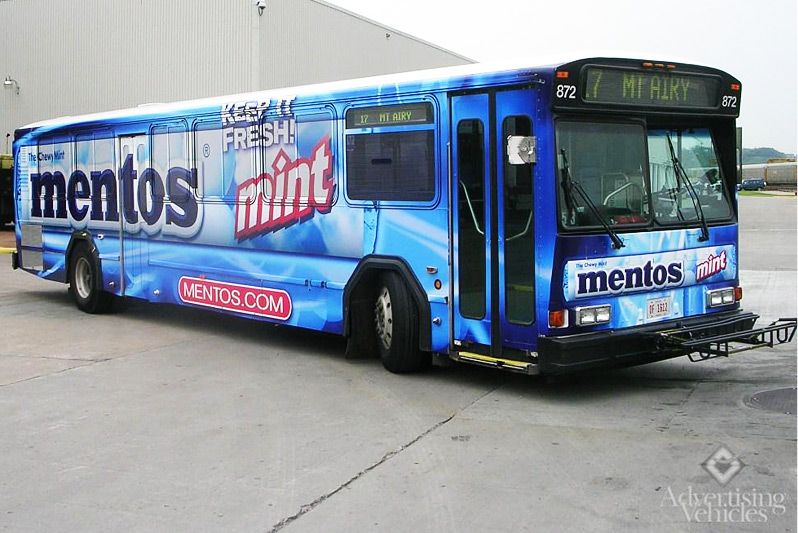
Bus External Wrap
1Bus External Wrap consist of sticker on full bus body.
01
-
02
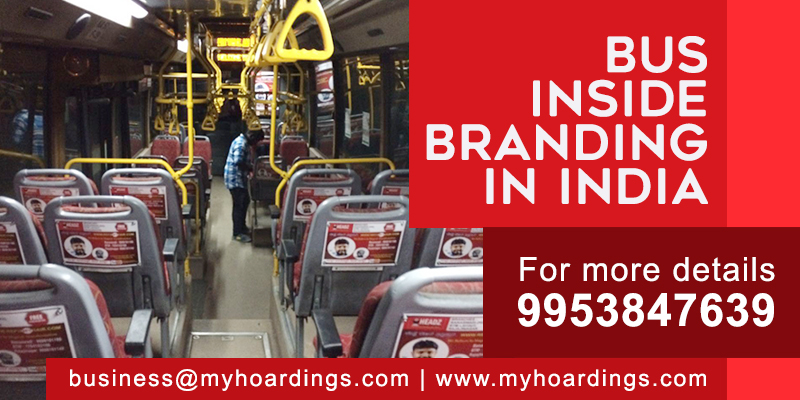
Internal Bus Branding
Internal Bus Branding -
Back Panel Ads
2Back Panel Ads03