
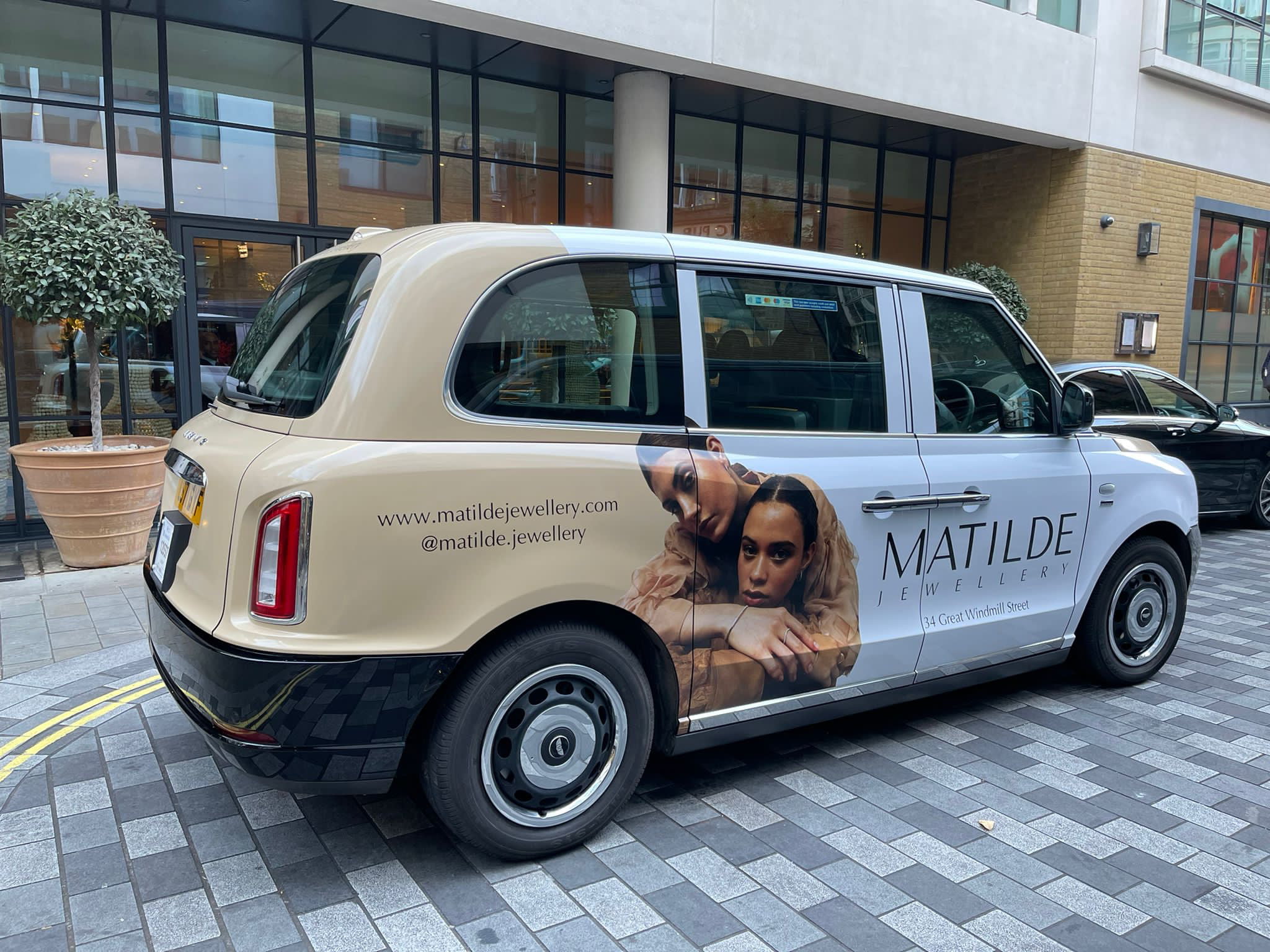
India’s metro cities are expanding rapidly, and so is traffic density. As commuting hours increase, brands are rethinking how and where they communicate. Why Brands Are Choosing Cab Wrap Advertising Over Static OOH in Traffic-Heavy Cities is a question rooted in changing urban behavior. While traditional billboards still exist, moving media is steadily gaining preference.
Cab wrap advertising transforms everyday vehicles into mobile brand carriers. As a result, brands no longer wait for audiences to pass a location. Instead, the message travels with the city itself.
The Limitations of Static OOH in Congested Urban Zones
Static OOH formats such as hoardings and gantries depend heavily on fixed locations. Although they offer scale, they also come with challenges. High rental costs, limited visibility windows, and location fatigue often reduce effectiveness.
Moreover, traffic congestion has altered how people consume outdoor media. Commuters now spend more time inside vehicles than walking past hoardings. Consequently, static OOH struggles to maintain attention in cluttered visual environments.
Why Brands Are Choosing Cab Wrap Advertising Over Static OOH in Traffic-Heavy Cities
Cab wrap advertising directly addresses the limitations of static outdoor media. Since wrapped cabs move through business districts, residential clusters, malls, airports, and nightlife hubs, they ensure repeated brand exposure.
Additionally, traffic-heavy cities like Mumbai, Delhi, and Bengaluru amplify visibility. When vehicles slow down or halt at signals, branded cabs remain in sight longer. Therefore, dwell time naturally increases, boosting recall without extra media cost.
High-Frequency Visibility Across Multiple Micro-Markets
One major advantage of cab wrap advertising is multi-zone coverage. A single cab can pass through corporate areas in the morning, shopping zones in the afternoon, and residential neighborhoods at night.
Because of this movement, brands achieve hyperlocal reach at scale. Unlike static OOH that speaks to one geography, cab wraps speak to the entire city. Hence, campaigns gain frequency and diversity in impressions.
Ride-Hailing Platforms Powering Mobile OOH
Ride-hailing platforms such as Ola and Uber have accelerated cab wrap adoption. These platforms operate thousands of cabs daily, ensuring predictable routes and measurable exposure.
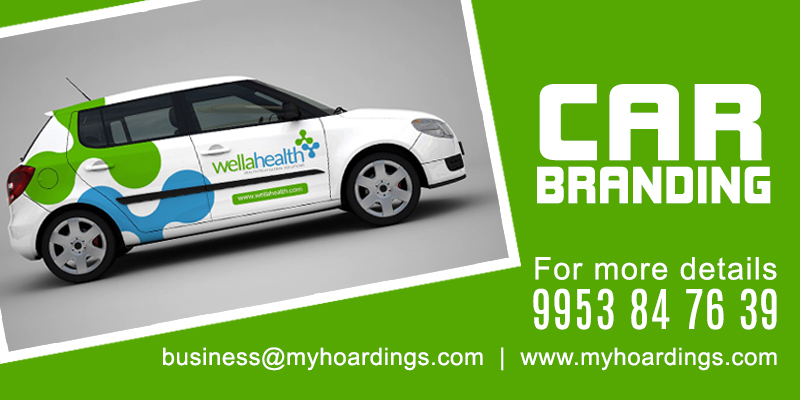
Furthermore, branded cabs benefit from the trust associated with popular mobility apps. When consumers repeatedly see a brand on familiar cabs, credibility improves. As a result, brand perception strengthens without aggressive messaging.
Cost Efficiency and Campaign Longevity
Static OOH in premium locations demands high upfront investment. In contrast, cab wrap advertising offers cost-efficient packages with defined durations such as 30, 60, or 90 days.
Because wraps remain active throughout the campaign period, impressions accumulate daily. Therefore, the cost per impression reduces over time. This makes cab wraps especially attractive for startups, app-based brands, and FMCG launches.
Creative Flexibility and Visual Impact
Cab wraps provide full-body creative freedom. Brands can use bold colors, large typography, mascots, QR codes, and call-to-action messages. Since the vehicle itself becomes the canvas, creativity is hard to ignore.
Moreover, moving visuals naturally attract attention. A well-designed cab wrap stands out in slow-moving traffic, unlike static boards that blend into the background. Consequently, visual recall improves significantly.
Data, Tracking, and Accountability
Modern cab wrap campaigns are no longer unmeasured. GPS tracking, route mapping, and photo audits help brands monitor coverage and compliance.
Additionally, advertisers can align cab routes with target demographics. For example, edtech brands can focus on student zones, while fintech brands can prioritize commercial districts. Hence, accountability increases compared to traditional OOH.
Integration With Digital and Performance Marketing
Another reason brands are choosing cab wrap advertising over static OOH in traffic-heavy cities is integration. QR codes, app download prompts, and social media hashtags bridge offline exposure with online action.
As a result, cab wraps do not work in isolation. Instead, they complement digital, influencer, and app-based campaigns, delivering a full-funnel marketing impact.
The Future of Outdoor Advertising in Indian Cities
As traffic congestion continues to rise, mobility-based media will dominate urban advertising strategies. Cab wrap advertising aligns with how cities function today—constantly moving, constantly visible.
Therefore, brands seeking sustained presence, cost efficiency, and city-wide coverage are gradually shifting budgets from static OOH to cab wraps. In the evolving urban media landscape, moving billboards are no longer optional—they are essential.