
In today’s fast-moving media ecosystem, brands can no longer rely on a single channel to make a lasting impression. Consumers move seamlessly between physical spaces and digital platforms every day.
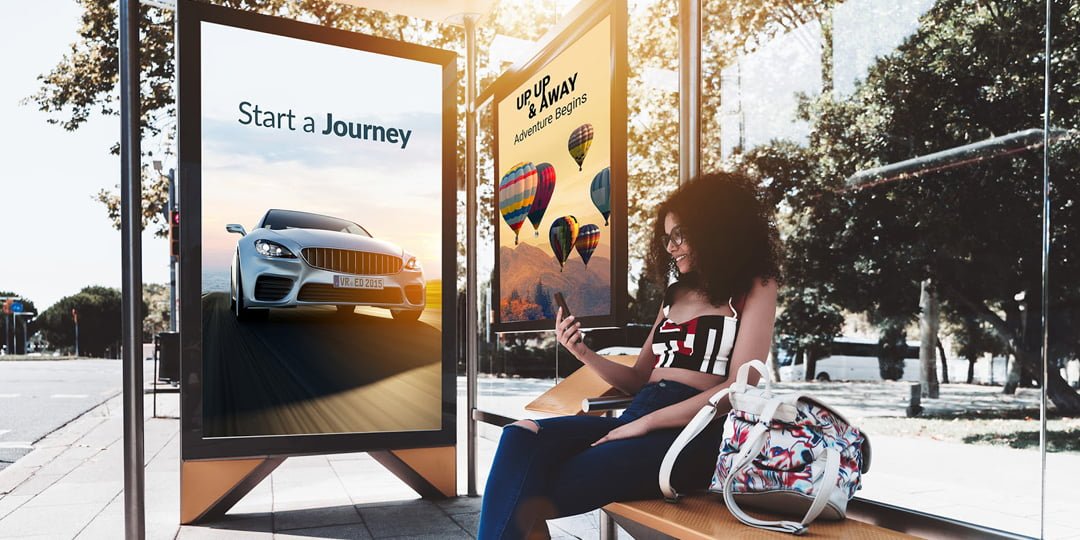
In today’s fast-moving media ecosystem, brands can no longer rely on a single channel to make a lasting impression. Consumers move seamlessly between physical spaces and digital platforms every day.

Transit and metro advertising is one of the most effective outdoor media formats in urban India. It reaches commuters repeatedly in high-dwell environments such as platforms, concourses, trains, and entry–exit
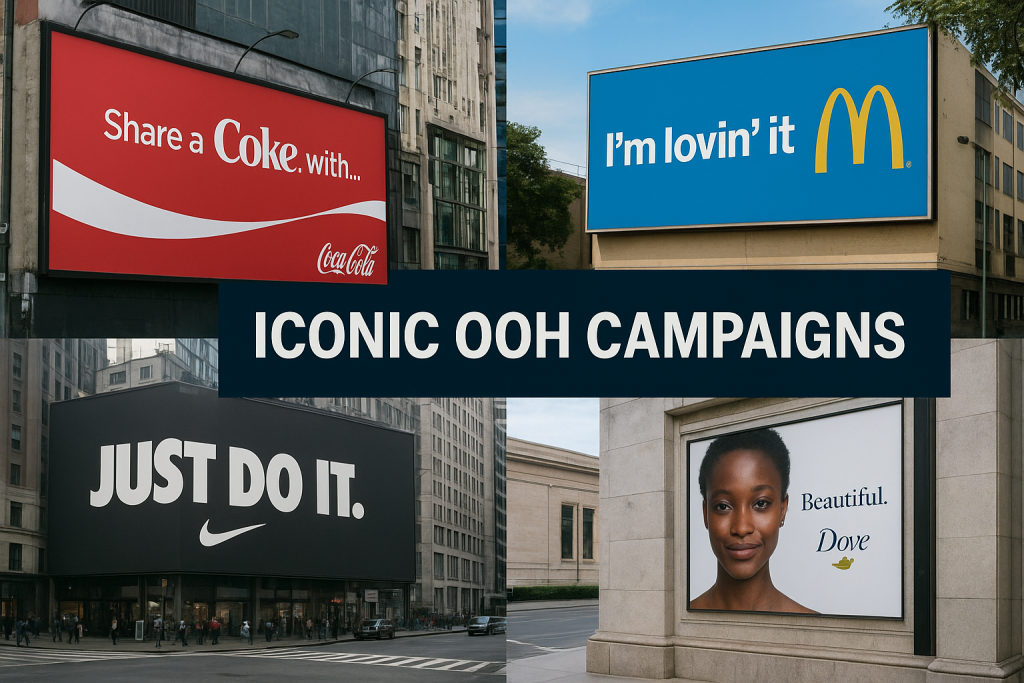
Executing a pan-India OOH campaign is a powerful way to achieve mass visibility. However, India’s cultural, linguistic, and regional diversity makes uniform messaging less effective. Therefore, brands increasingly adopt staggered
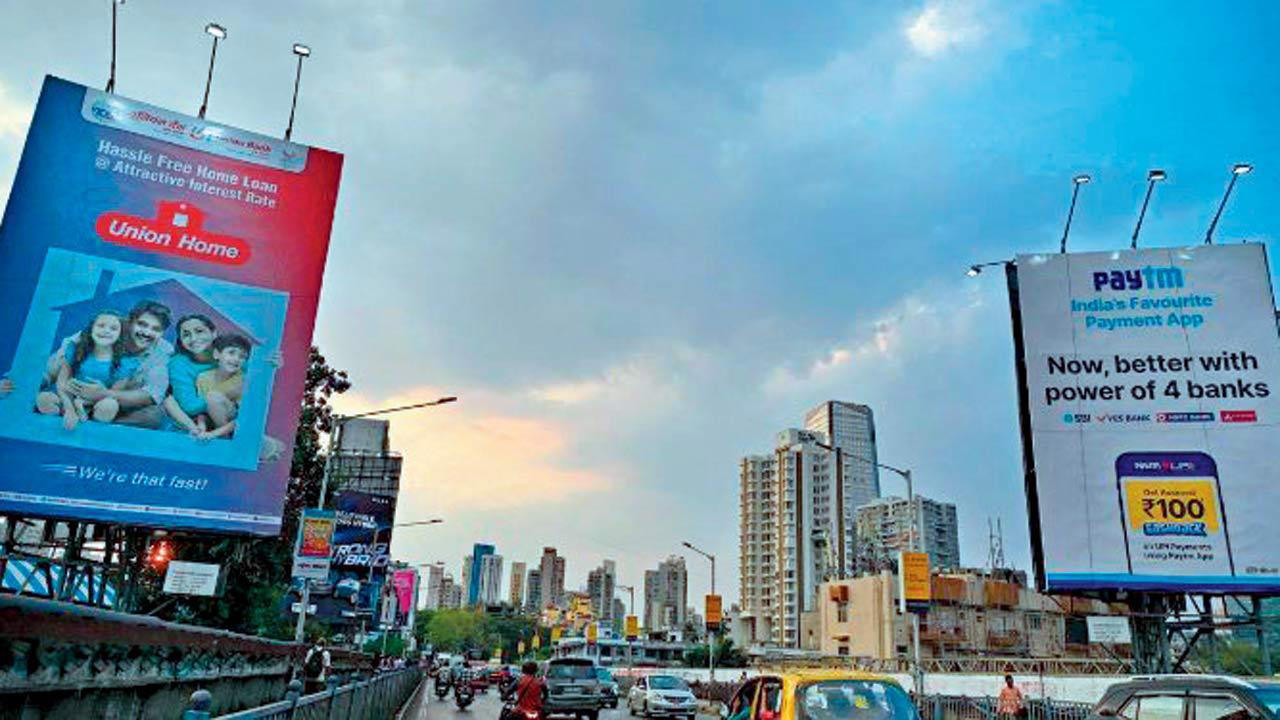
Out-of-Home (OOH) advertising in India offers unmatched visibility across cities, highways, transit hubs, and commercial zones. However, launching an OOH campaign without checking local regulations can lead to fines, forced
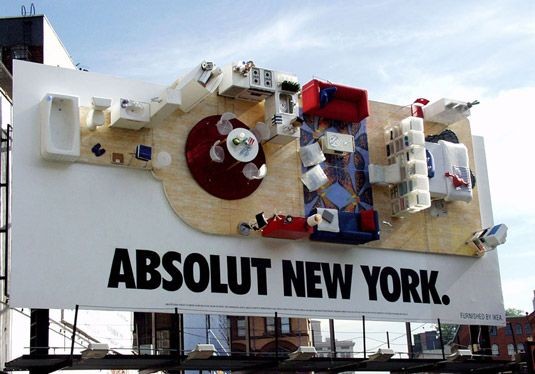
Outdoor advertising delivers massive visibility, but visibility alone does not guarantee brand recall. In high-clutter urban environments, consumers are exposed to hundreds of messages daily. Therefore, creative best practices in
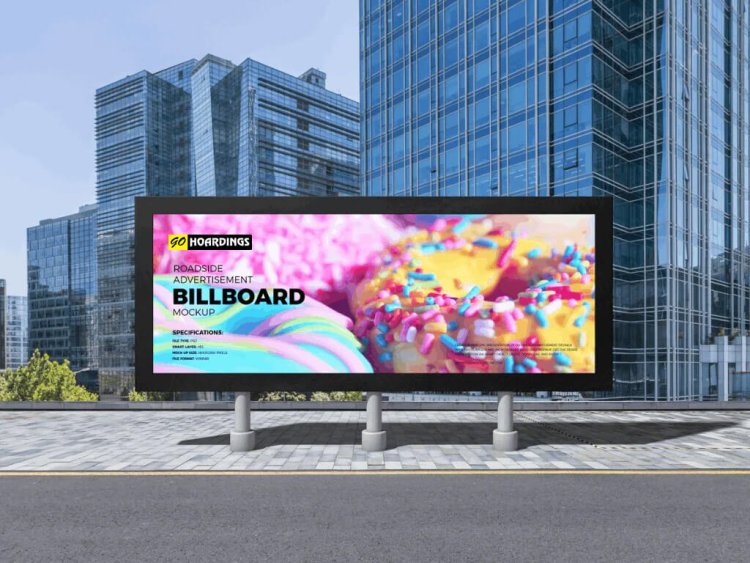
Outdoor advertising in India has traditionally relied on long-term bookings, fixed locations, and manual negotiations. However, with the rapid growth of data-driven marketing, programmatic buying is increasingly influencing how brands
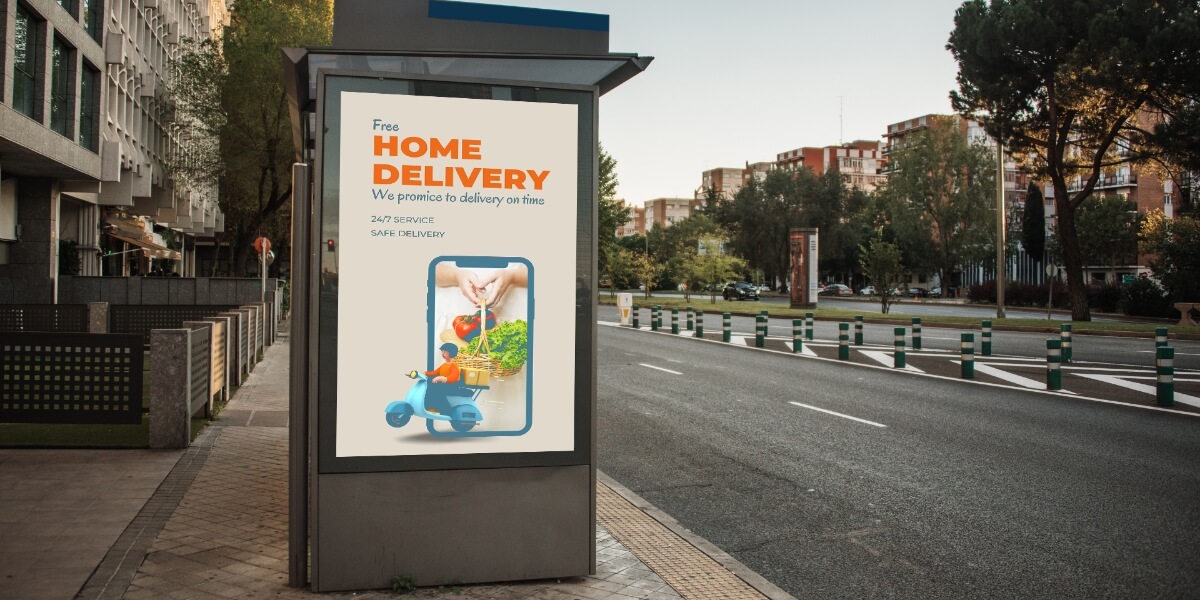
Digital Out-of-Home (DOOH) advertising has transformed how brands communicate in public spaces. Unlike traditional billboards, DOOH screens allow advertisers to measure performance using data-driven metrics. As a result, marketers increasingly
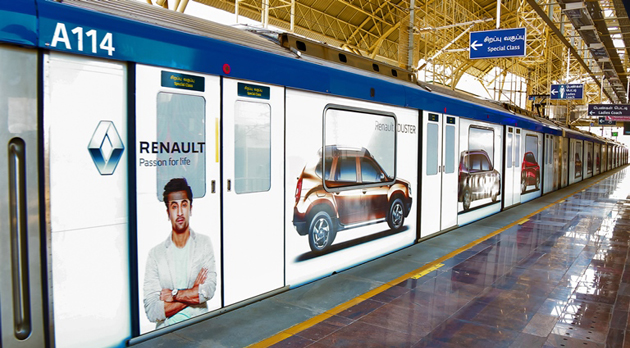
Transit and metro advertising offers brands immense visibility in urban India, where millions commute daily. However, marketers must understand that this powerful medium is governed by a mix of local
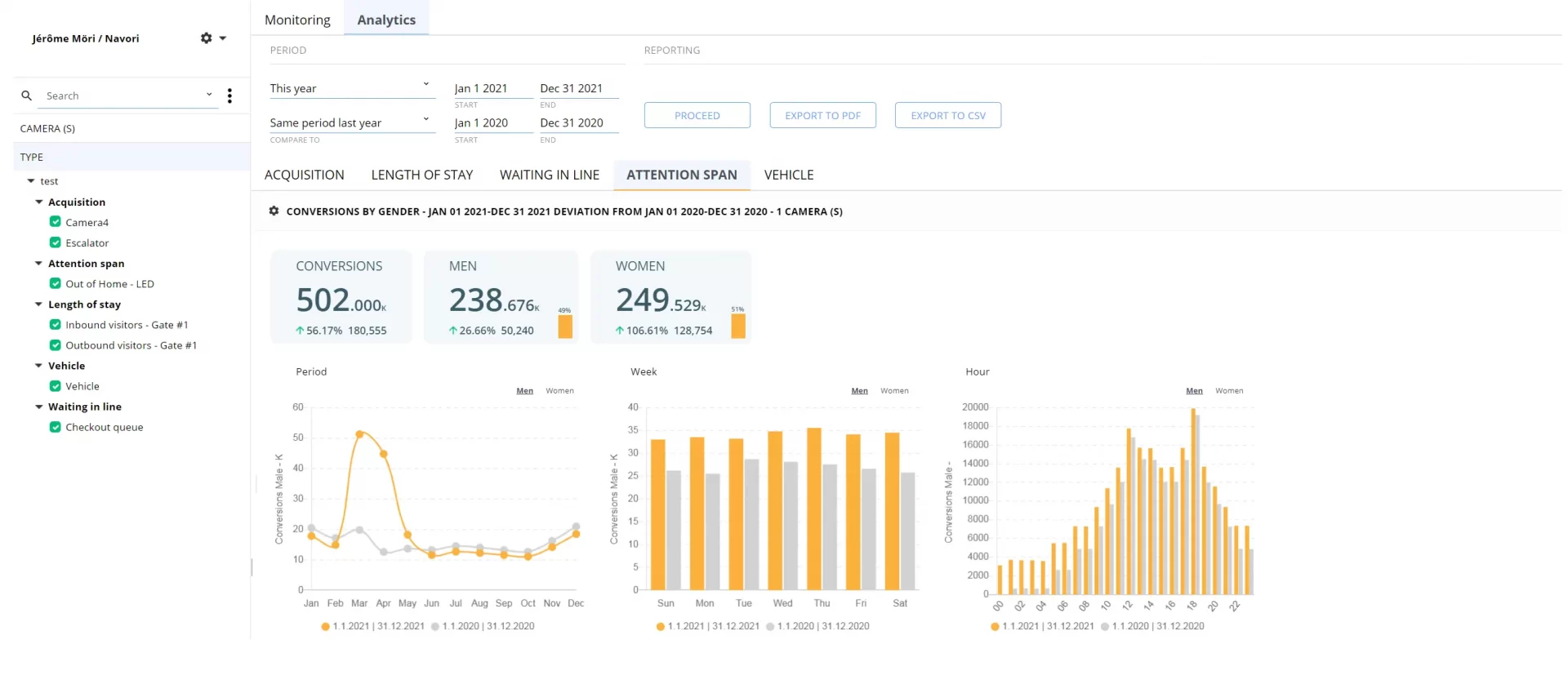
Outdoor advertising continues to be one of the most powerful mediums for building mass awareness and brand recall. However, in a data-driven marketing environment, advertisers increasingly ask an important question: