India’s media-consumption landscape is evolving rapidly. Urban and semi-urban audiences are increasingly consuming digital content, while rural and Tier 2/3 audiences continue to rely on traditional media like TV and radio. Meanwhile, DOOH (Digital Out-of-Home) media is gaining traction in urban hubs due to increased mobility, outdoor digital screens, and location-based advertising.
For brands, the challenge lies in optimising the mix of radio, TV, and DOOH to deliver maximum reach, frequency, and impact while staying cost-efficient.
Understanding Current Media-Consumption Patterns in India
-
Television: Despite the rise of OTT and digital platforms, TV still dominates household media time, especially in Tier 2 and Tier 3 towns. Prime-time shows, regional channels, and cricket remain key attention drivers.
-
Radio: FM radio maintains strong penetration, particularly during commutes, local market visits, and workplace listening. It is trusted, low-cost, and provides frequency for repeated messaging.
-
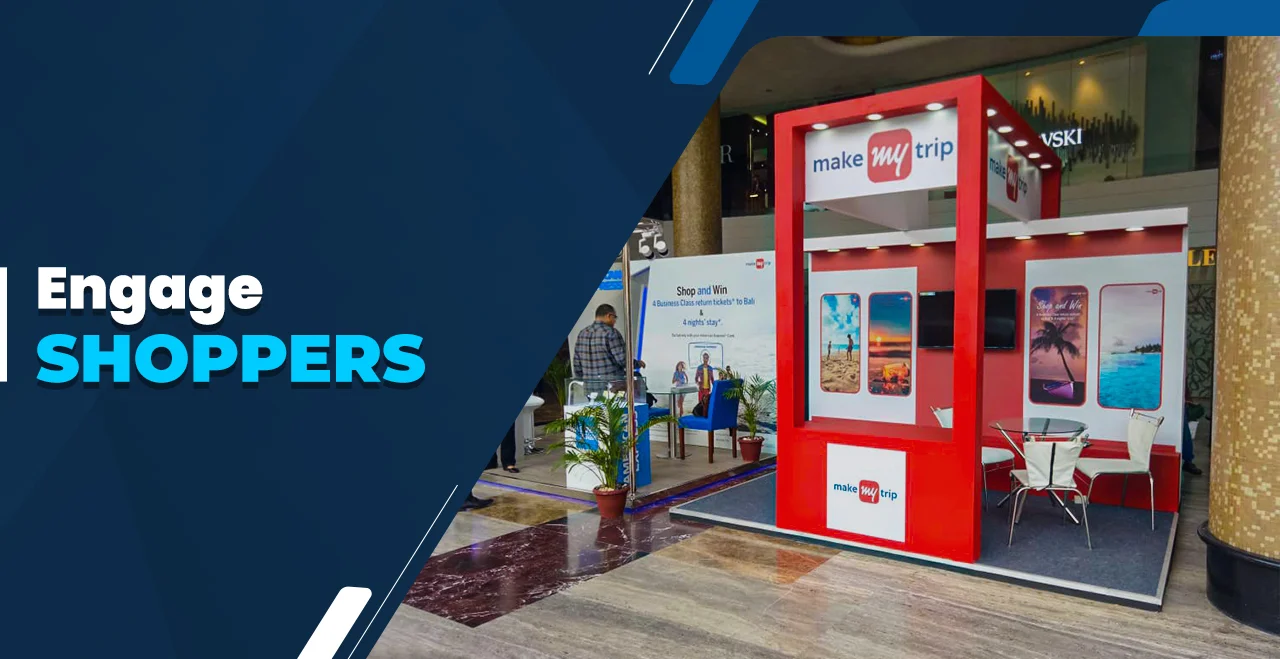
DOOH: Urban commuters, especially in metros, respond well to dynamic digital signage in malls, high streets, transit points, and airports. DOOH offers hyperlocal targeting and creative flexibility, which makes it effective for brand visibility and reinforcement.
Key Considerations for Optimising the Media Mix
1. Audience Segmentation
Brands should analyse target segments by:
-
Geography (urban, semi-urban, rural)
-
Age group and media habits
-
Affinity for local content and language preferences
For example, Tier 2/3 towns may lean heavily on TV and radio, while metro audiences are more receptive to DOOH alongside digital.
2. Campaign Objectives
Different media serve different objectives:
-
TV: Brand building, awareness, emotional storytelling
-
Radio: Reinforcement, frequency, local messaging
-
DOOH: Visibility, recall, location-based engagement
Aligning media objectives with the campaign goal ensures each channel plays a complementary role.
3. Timing and Context
Media consumption is time-sensitive:
-
Morning/evening commute: Radio and DOOH
-
Evening prime time: TV
-
Weekends: High DOOH and outdoor exposure in shopping areas
Optimising placements across time slots increases the probability of multiple touchpoints.
4. Budget Allocation
A flexible allocation approach works best:
-
Allocate TV the highest share in markets where mass awareness is the goal.
-
Use radio for frequency and cost-effective local penetration.
-
Invest in DOOH selectively in urban clusters or high-footfall areas for creative impact.
Brands can adopt a 70-20-10 or 60-25-15 rule (TV-Radio-DOOH) depending on market maturity, audience behavior, and campaign goals.
Strategies for Synergy Across Media
1. Consistent Messaging Across Channels
Ensure that TV, radio, and DOOH creatives carry the same core message, brand tone, and visual identity. Cross-channel consistency reinforces recall.
2. Sequential Storytelling
-
TV can create the main narrative and emotional connection.
-
Radio can repeat key messages to strengthen retention.
-
DOOH reinforces visibility during physical mobility, acting as a visual reminder.
3. Regionalisation
Local languages, cultural references, and regional influencers enhance resonance. This is particularly crucial for TV and radio in Tier 2/3 markets.
4. Data-Driven Placement
DOOH benefits from location and traffic analytics, while TV and radio can leverage viewership and listenership data. Integrating insights ensures maximum reach and cost efficiency.
Measuring Campaign Effectiveness
-
TV: TRPs, reach, impressions, brand lift studies
-
Radio: Audience ratings, call-ins, QR codes, short codes
-
DOOH: Footfall tracking, location analytics, creative engagement scans
A holistic measurement framework helps brands adjust spend mid-campaign and optimise ROI.
Conclusion
In India’s dynamic media landscape, optimising the mix of radio, TV, and DOOH is critical for effective brand communication. Brands should tailor their mix based on audience segmentation, campaign goals, regional preferences, and media consumption behaviours.
By leveraging TV for storytelling, radio for frequency, and DOOH for high-impact visibility, marketers can achieve a synergistic effect, ensuring campaigns reach audiences across urban, semi-urban, and rural markets efficiently. The key lies in data-driven planning, consistent messaging, and strategic sequencing across channels.