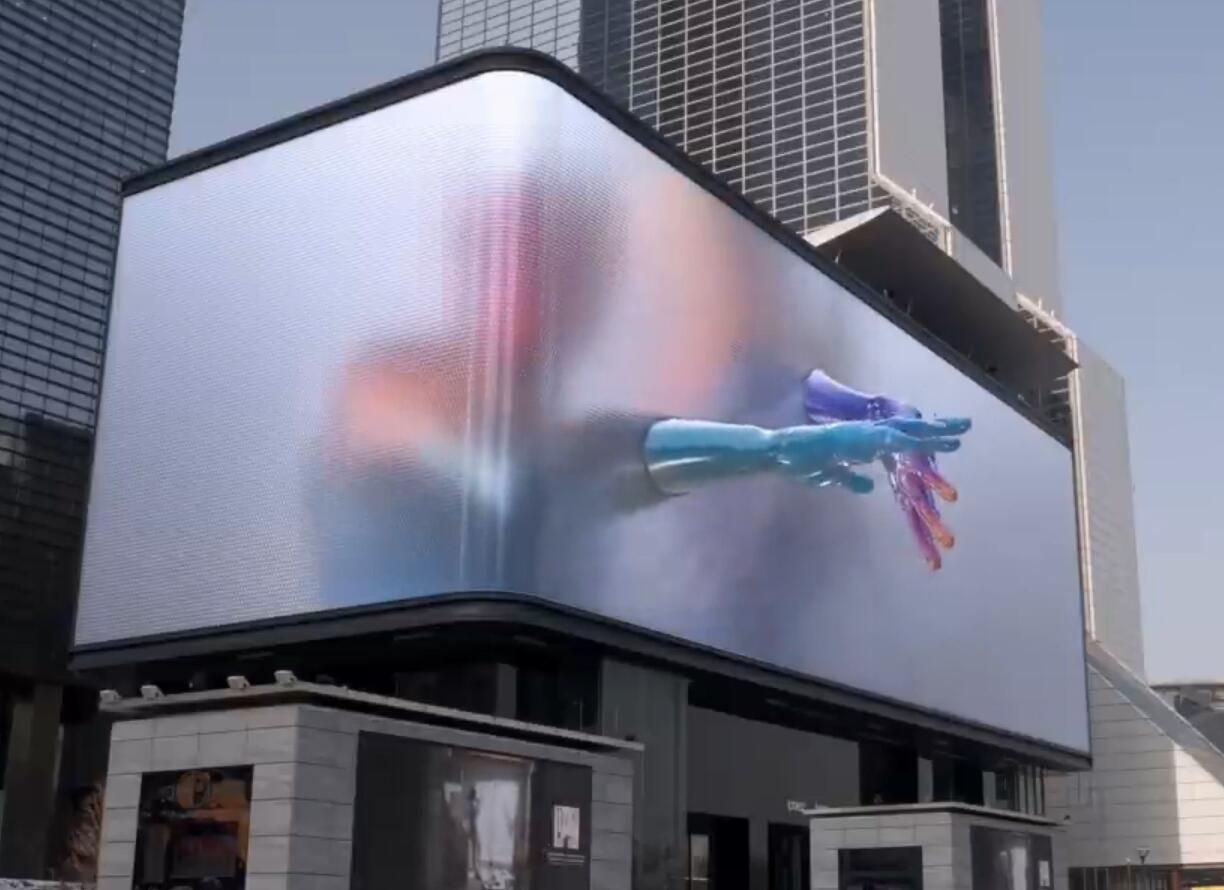
Anamorphic displays—also known as 3D OOH billboards—have become one of the most exciting formats in brand advertising. They capture attention instantly and create a strong sense of wonder. However, for maximum impact, brands must focus on integrating anamorphic display ads with other channels such as TV, social media, and traditional OOH. When these touchpoints work together, they create immersive brand worlds that deepen consumer connection.
Below are the best practices that help brands build cohesive and high-performing cross-channel ecosystems.
1. Start With a Unified Creative Idea
Integration begins with a single, strong creative thought. The anamorphic display should not stand alone. Instead, it should link directly to the brand’s core message.
Therefore, brands must define the storyline early. The concept should be flexible enough to extend across TV commercials, digital assets, and social platforms.
Additionally, the visual identity must stay consistent. A familiar colour palette, character, or motif helps consumers connect the dots across channels.
2. Build for Both On-Ground Impact and Online Amplification
Anamorphic ads deliver huge impact in physical spaces. Yet, their viral potential comes from social sharing. To encourage this:
-
Design angles that look stunning in videos
-
Add surprising motion that triggers “wow” reactions
-
Create scenes that translate well to smartphone screens
Consequently, the ad not only attracts spectators on-site but also builds excitement on Instagram, YouTube, and X.
Moreover, brands should plan a launch moment. Influencers, livestreams, or teaser videos boost visibility from day one.
3. Align TV and Digital Films With the 3D Story
TVCs play a major role in reinforcing what consumers see on the street. The transitions between formats must feel seamless.
For example:
-
The character seen on the 3D billboard can appear in the TV film
-
A product transformation shown in the anamorphic ad can become the opening scene of the commercial
-
The same tagline can connect all touchpoints
This alignment increases recall and enhances the sense of an integrated brand universe.
4. Leverage Social Media for Behind-the-Scenes Storytelling
People love to know how 3D illusions are created. Brands can use this curiosity to create engagement. Behind-the-scenes videos, creator explainers, or AR filters inspired by the installation add layers to the experience.
Additionally, creators can react to the anamorphic billboard in real-time. Their content makes the campaign more relatable and expands its organic reach.
5. Combine Anamorphic OOH With Traditional OOH for Higher Reach
While 3D billboards drive buzz, they exist only in select high-traffic areas. To scale the message, brands must supplement them with:
-
Static billboards
-
Transit media
-
Mall screens
-
City-wide digital screens
This ensures continuity. The broader OOH network supports mass awareness, while the 3D installation drives emotional impact.
6. Use Location Intelligence for Smart Placement
Anamorphic ads work best in areas with wide viewing angles. Brands should prioritise spots with high dwell time—such as traffic junctions, malls, and metro hubs.
Location intelligence helps optimize:
-
Viewer angles
-
Footfall quality
-
Time-of-day performance
Better placement increases both physical engagement and social-sharing potential.
7. Add Interactive Layers Through AR or Mobile Extensions
To extend immersion, brands can link anamorphic displays to mobile AR experiences. This step encourages deeper participation.
For example:
-
Users scan a QR code near the display
-
A digital version of the 3D character pops up on their phone
-
They can take photos, play mini-games, or explore product features
This interaction bridges physical and digital storytelling.
8. Measure Cross-Channel Metrics Holistically
Finally, brands should analyse impact across all channels. Key metrics include:
-
Footfall near the installation
-
Social engagement and shares
-
TV ad recall
-
Brand search spikes
-
Sales or lead uplift
A unified dashboard helps marketers understand the complete effectiveness of integrating anamorphic display ads within a multi-platform campaign.
Conclusion
When brands focus on integrating anamorphic display ads into broader brand ecosystems, they move beyond one-off spectacles. They create immersive, multi-sensory narratives that live across TV, social, OOH, and mobile experiences. As consumer expectations grow, this cross-channel strategy will become essential for every brand seeking impactful storytelling.