India’s advertising landscape is rapidly changing. Consumers now move seamlessly across online and offline touchpoints, and brands must follow their journey with precision. As a result, DOOH (Digital Out-of-Home) and programmatic advertising have emerged as powerful tools for omnichannel impact. Why Should Modern Brands Integrate DOOH and Programmatic Ads for Omnichannel Success in India? The answer lies in their ability to deliver scale, accuracy, and contextual communication.
Below is a complete breakdown of how both formats strengthen modern marketing strategies.
DOOH Strengthens Real-World Brand Presence
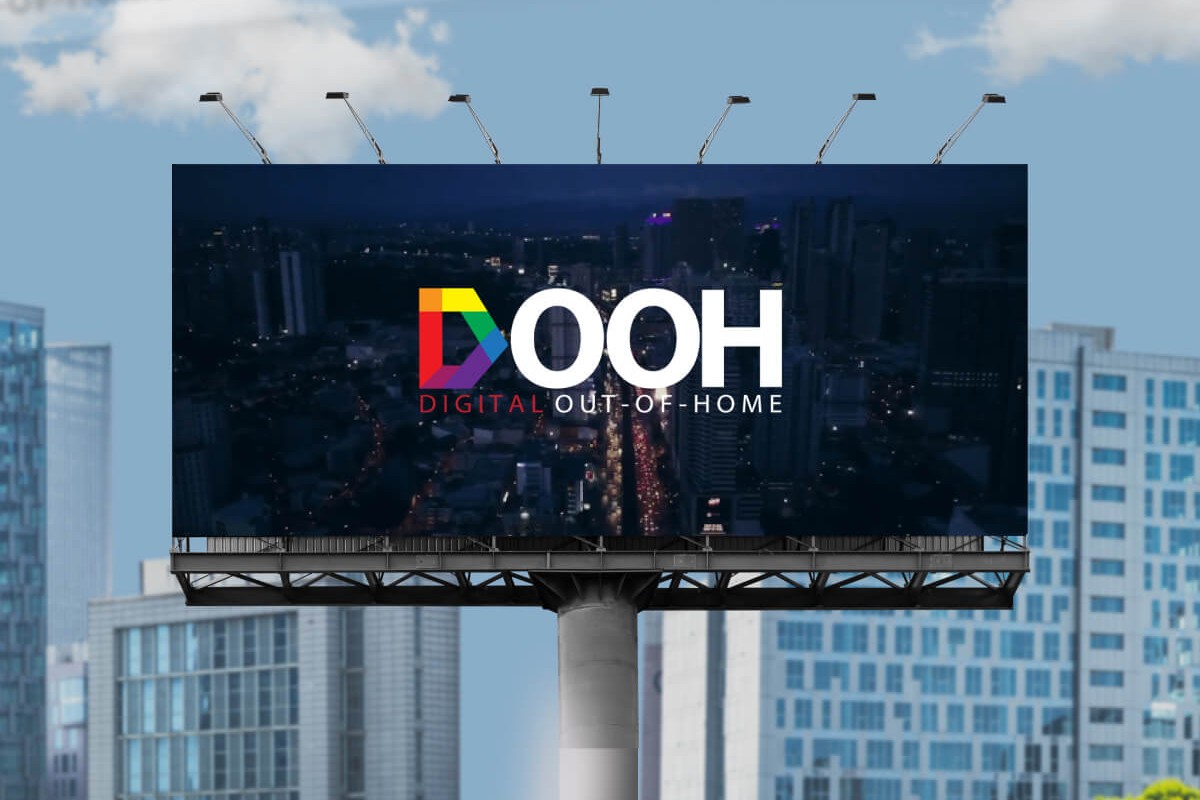
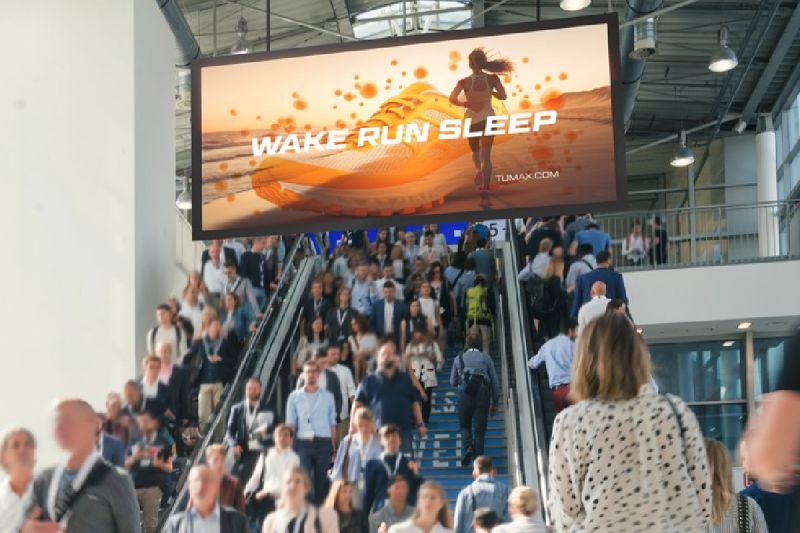
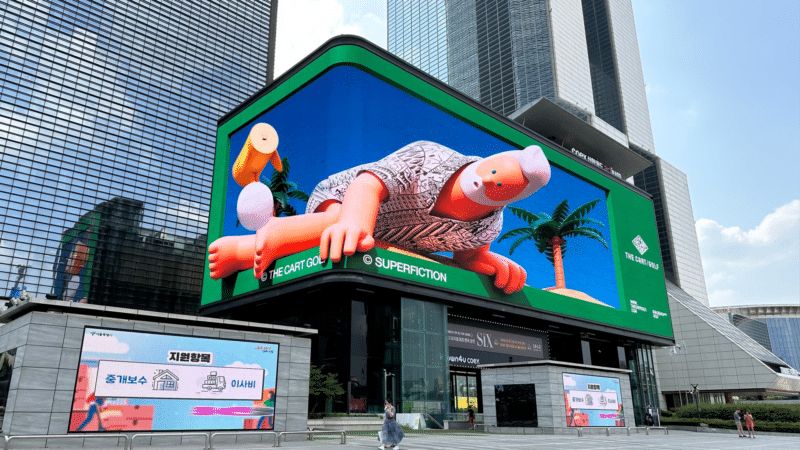
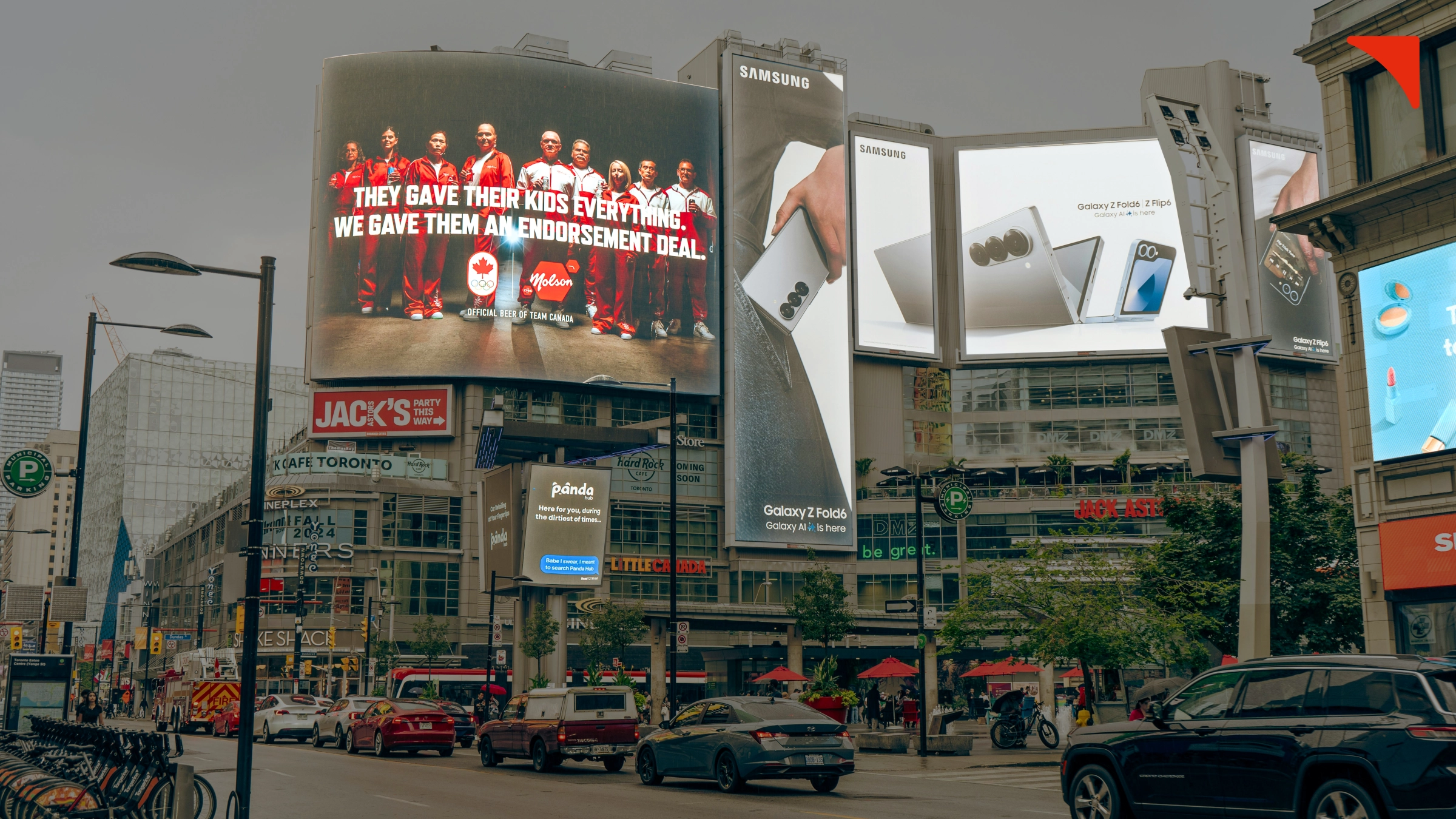
DOOH brings the dynamism of digital screens to the physical world. Large-format digital billboards, mall screens, transit panels, and highway displays can deliver high-quality visuals that capture attention instantly. Moreover, DOOH placements remain unskippable. This ensures that brands gain continuous visibility in high-traffic zones.
Because DOOH supports dynamic content, brands can update messages in real time. This flexibility makes DOOH significantly more effective than static outdoor advertising.
Programmatic Ads Enable Precision Targeting
Programmatic advertising relies on AI, audience data, and automated bidding to serve ads to the right people at the right time. Unlike traditional digital buying, programmatic platforms optimize placements instantly. Therefore, budgets remain efficient and performance improves continuously.
Furthermore, programmatic ads personalise messaging based on audience segments, behaviour, or location. This strengthens campaign relevance and boosts conversions.
How DOOH and Programmatic Work Together
When DOOH integrates with programmatic buying, brands unlock a more powerful media ecosystem.
1. Real-Time, Automated DOOH Buying
Programmatic DOOH (pDOOH) enables brands to purchase DOOH inventory through automated platforms. Campaigns can go live instantly without lengthy negotiations.
2. Contextual and Trigger-Based Messaging
pDOOH triggers ads based on weather, traffic density, time, or footfall. For example, coffee brands can push ads on cold mornings, while food delivery companies can display creatives during peak evening hours.
3. Unified Measurement Across Channels
Integrated dashboards allow marketers to track impressions, ad plays, and exposure data in real time. This visibility enhances accountability while aligning DOOH metrics with digital KPIs.

Why Brands Need This Integration for Omnichannel Success
Creating a seamless consumer experience requires consistency. DOOH and programmatic ads make this possible by reinforcing brand messages across both physical and digital environments.
Consistent Messaging Across User Touchpoints
When a consumer sees a DOOH ad on a highway and then receives a personalized mobile ad later, recall strengthens naturally. This cross-channel reinforcement improves trust and brand familiarity.
Better Audience Precision and Reach
Programmatic technologies use geo-behavioural data to deliver ads to relevant consumer clusters. Because DOOH adds large-scale visibility, brands reach both mass and segmented audiences simultaneously.
Higher Engagement and Better Conversion
DOOH builds awareness, while programmatic digital channels push leads further into the funnel. Together, they create a full-funnel system—from attention to action.
More Efficient Use of Ad Budgets
Automated buying eliminates inefficiencies. Brands only pay for relevant impressions or targeted hours, especially on DOOH screens that operate with time-based programming.

The Future of Omnichannel Advertising in India
India’s rapid digital adoption is accelerating programmatic DOOH growth. Smart cities, new expressways, transit hubs, and commercial centres are adopting more digital screens. Consequently, advertisers will rely heavily on DOOH for top-of-funnel impact. At the same time, programmatic intelligence will ensure sharper audience targeting.
With these two forces combined, brands will build stronger, consistent, and scalable omnichannel ecosystems.
Conclusion
Why Should Modern Brands Integrate DOOH and Programmatic Ads for Omnichannel Success in India?
Because this integration delivers precision, speed, contextual relevance, and massive real-world visibility. As consumption patterns evolve, DOOH and programmatic will become essential pillars for brands aiming to dominate the Indian market.