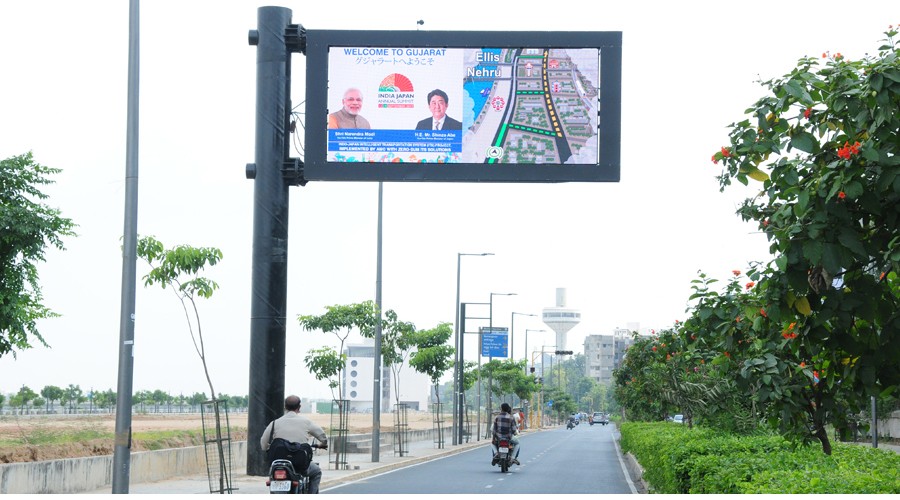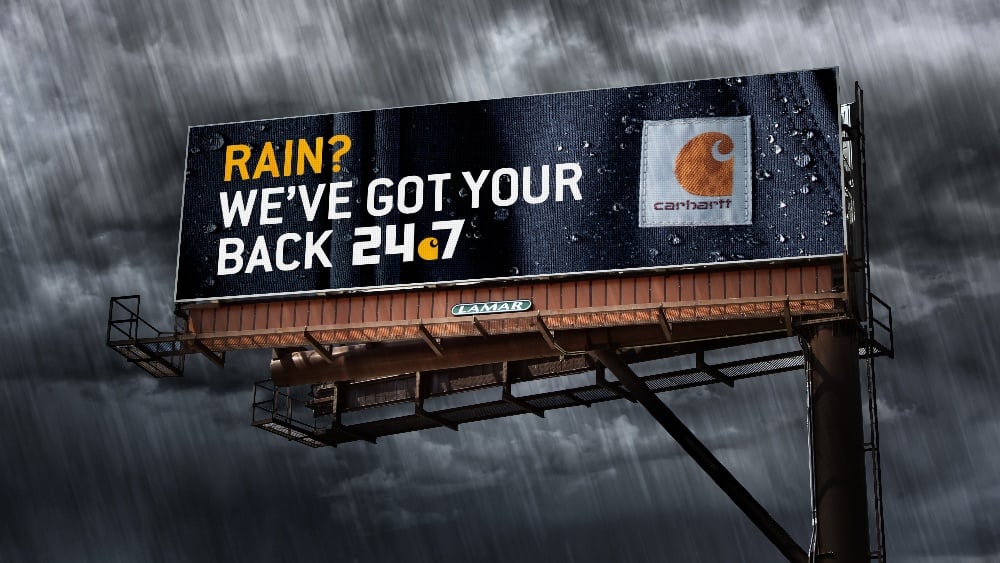
In 2024, Contextual Weather & Data Reactive Billboards became one of the most exciting innovations in global outdoor advertising. As brands sought deeper engagement and real-time relevance, programmatic digital out-of-home (DOOH) campaigns began leveraging environmental and behavioral data to adapt ad messages dynamically. These responsive billboards changed visuals and messaging based on weather, traffic flow, or commuter data, ensuring that ads always stayed relevant to the moment.
This trend transformed how brands connect with audiences on the move. By merging technology with creativity, DOOH screens evolved from static displays into intelligent platforms capable of responding instantly to real-world triggers.
How Weather-Based Triggers Transform Advertising
Weather plays a powerful role in consumer behavior. Advertisers realized that contextual messaging—tailored to temperature, rainfall, or sunlight—could boost ad effectiveness significantly. For instance, beverage brands showcased cold drinks when the temperature spiked, while apparel brands promoted raincoats or umbrellas during sudden showers.
These Contextual Weather & Data Reactive Billboards use integrated APIs that fetch live meteorological data. The system automatically triggers relevant ad creatives, making each message timely and impactful. This approach not only enhances engagement but also creates emotional resonance—consumers perceive the ad as personally relevant, not generic.
Transitioning from static campaigns to responsive designs helps brands stay contextually aligned with local conditions, which is particularly vital in unpredictable climates.
Commuter and Traffic Data: Adding Precision to DOOH Messaging
Apart from weather, commuter data and mobility insights are becoming major triggers for reactive billboards. Modern DOOH networks gather anonymized location data to understand audience density, travel patterns, and dwell time. This information enables brands to target specific times of the day with contextually suitable creatives.
For example, a coffee brand can display “Fuel up for your morning commute” during rush hours and switch to “Recharge for your evening drive” later in the day. Similarly, entertainment brands can push last-minute movie promotions near cinemas when high footfall is detected.
By integrating data-reactive billboard technology, advertisers can deliver the right message to the right people at the right time—turning public spaces into dynamic, data-driven communication hubs.
Global Adoption and Leading Campaign Examples
Around the world, brands embraced this adaptive DOOH format to make advertising more interactive. In Europe and North America, weather-reactive campaigns became common during seasonal promotions. In Asia, real-time commuter and pollution data informed creative changes on major city billboards, making public messaging more responsive and useful.
Cities like London, New York, Tokyo, and Singapore led the way in contextual integration. Brands across sectors—from FMCG and fashion to automotive and tech—experimented with live data to personalize ads based on external conditions.
This shift demonstrated how digital billboards could evolve into a programmatic ecosystem, capable of delivering context-aware advertising with measurable impact.
Why Contextual and Data Reactive DOOH Matters for the Future
The rise of Contextual Weather & Data Reactive Billboards marks a major milestone in the evolution of outdoor advertising. As consumers grow accustomed to personalized digital experiences online, they now expect the same level of relevance from offline media.
Data-driven DOOH allows marketers to close the gap between digital precision and outdoor scale. With programmatic integration, creative optimization becomes automated—ensuring cost efficiency and performance improvement.
Moreover, as AI and machine learning advance, billboard content will become even more predictive, anticipating conditions before they occur. The next phase of DOOH innovation lies in hyper-contextual personalization, where multiple data layers—weather, traffic, social sentiment, and event schedules—combine to create instant, meaningful connections.
Conclusion
Contextual Weather & Data Reactive Billboards have redefined how brands interact with audiences in real-world environments. By aligning advertising with real-time context, marketers can craft experiences that are not just seen but felt. This intelligent approach to DOOH brings together creativity, technology, and data to make every impression count.
As brands continue to experiment with adaptive media, contextual and reactive billboards are set to become a standard in global outdoor advertising—proving that the future of OOH is not just digital, but intelligently dynamic.