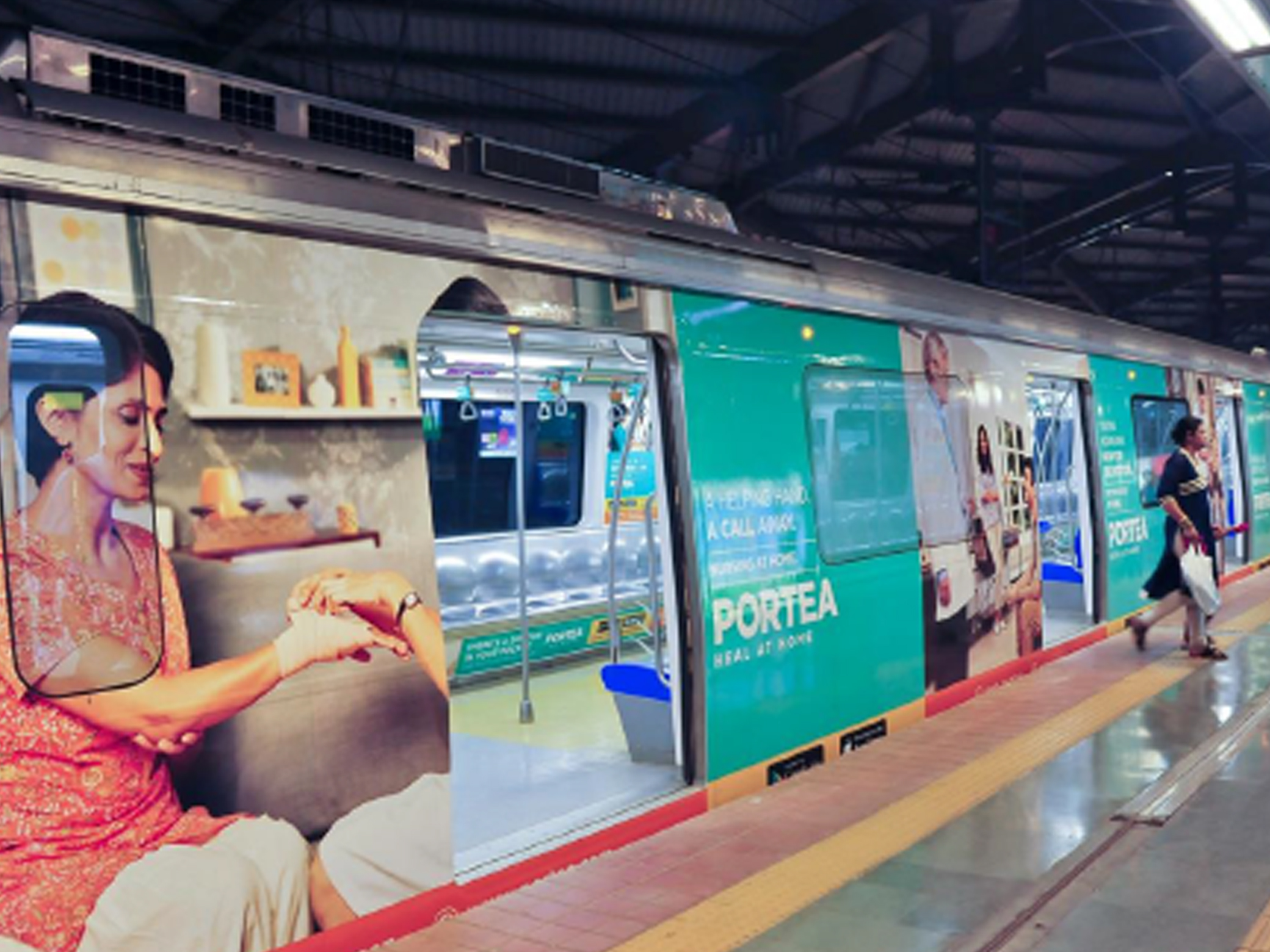
India’s consumption growth is increasingly driven by Tier-2 and Tier-3 cities. Rising disposable incomes, better infrastructure, aspirational lifestyles, and deeper digital penetration have transformed cities like Indore, Coimbatore, Surat, Bhubaneswar, Udaipur, and Siliguri into powerful demand centres. Yet, despite this shift, media planning for Tier-2 & Tier-3 cities continues to be handled with outdated assumptions.
Many national brands still approach these markets as extensions of metros rather than distinct ecosystems. Consequently, campaigns achieve visibility but fail to build trust, recall, or preference. Understanding the mistakes brands continue to make is the first step toward unlocking sustainable growth beyond metros.
Mistake 1: Applying Metro Media Logic to Non-Metro Markets
One of the most common errors in media planning for Tier-2 & Tier-3 cities is replicating metro media mixes at a smaller scale. Consumer behaviour in these markets is fundamentally different.
Audiences here:
-
Spend more time outdoors and in public spaces
-
Consume regional news and entertainment
-
Trust familiar, local media voices
When brands over-prioritise OTT, national social platforms, or performance-heavy digital plans, they miss the channels that actually influence daily decision-making in these cities.
Mistake 2: Underestimating the Power of Outdoor Media
Outdoor advertising plays a far bigger role in Tier-2 & Tier-3 cities than many national planners acknowledge. Unlike metros, where clutter reduces impact, outdoor media in smaller cities still enjoys strong visibility and attention.
High-performing formats include:
-
City entry gates and arterial junctions
-
Unipoles and long-format hoardings
-
Bus stands, railway stations, and local transit
Ignoring outdoor media weakens frequency and familiarity—two factors that matter far more than one-time reach in these markets.
Mistake 3: Treating Digital Reach as a Complete Solution
Yes, digital consumption has grown rapidly in Tier-2 & Tier-3 cities. However, reach does not equal influence.
National brands often rely heavily on:
-
Broad interest targeting
-
Low-cost CPM inventory
-
Generic language creatives
This leads to impressions without persuasion. Effective media planning for Tier-2 & Tier-3 cities requires digital to be supported by regional language content, local influencers, and offline visibility that reinforces trust.

Mistake 4: Ignoring Regional Language and Cultural Nuance
Creative adaptation is often treated as optional. This is a costly mistake.
Language, tone, and cultural references vary sharply across states and even districts. Audiences in smaller cities respond better to:
-
Regional language communication
-
Local festivals and seasonal cues
-
Familiar faces and contexts
Using pan-India creatives reduces emotional connection, even when media delivery is technically strong.
Mistake 5: Optimising Only for Low Media Costs
Tier-2 & Tier-3 markets are often viewed as “cheap media zones.” While costs may be lower, focusing only on the lowest rates can damage impact.
Over-optimisation for price leads to:
-
Poor placement quality
-
Low visibility locations
-
Inconsistent frequency
Instead, brands should negotiate for better locations, longer durations, and higher share of voice, which consistently deliver stronger ROI in non-metro markets.
Mistake 6: Overlooking Regional Print and Radio
Regional newspapers and FM radio stations still command high credibility in Tier-2 & Tier-3 cities. They are deeply integrated into daily routines.
These channels offer:
-
Trust-driven engagement
-
Strong morning and commute-time attention
-
Cost-effective frequency
Yet, many national media plans exclude them in favour of national-only platforms, weakening local acceptance—especially for finance, education, retail, and healthcare brands.
Mistake 7: Short-Term Campaign Bursts Instead of Consistency
National brands often enter Tier-2 & Tier-3 markets with short, tactical campaigns. This approach limits momentum.
These markets reward consistent visibility. Repeated presence builds familiarity, and familiarity builds preference. Media planning must therefore shift from burst-led execution to continuity-driven strategy.

How Brands Should Rethink Media Planning for Tier-2 & Tier-3 Cities
To correct these mistakes, brands need to:
-
Design city-specific media mixes
-
Anchor plans with outdoor, regional print, and radio
-
Localise creatives and language
-
Balance digital scale with local credibility
-
Focus on frequency and trust, not just reach
When executed correctly, Tier-2 & Tier-3 campaigns often outperform metro campaigns in cost efficiency and brand lift.
Conclusion: Local Thinking Is the New National Advantage
In conclusion, media planning for Tier-2 & Tier-3 cities continues to underperform not due to limited budgets, but due to flawed assumptions. Brands that treat these markets as scaled-down metros will struggle to build meaningful connections.
Those that respect local media habits, invest in relevance, and commit to consistent presence will unlock India’s next wave of growth. As consumption power moves beyond metros, smarter, local-first media planning is no longer optional—it is a competitive necessity.