When brands plan event advertising, most budgets instinctively flow toward the main stage. Logos on backdrops, LED screens behind speakers, and stage-side branding are seen as premium real estate. However, in practice, entry, exit, and waiting zones at events consistently deliver higher brand recall than main stages.
This happens because recall is driven not just by visibility, but by attention quality, dwell time, and cognitive availability. While main stages are crowded with content, speeches, performances, and competing sponsor logos, peripheral zones often capture undivided attention. Yet, these zones remain underutilised by many marketers.
The Attention Problem with Main Stages
Main stages attract crowds, but they also divide attention. Attendees are focused on:
-
Speakers or performers
-
Presentation slides or visuals
-
Mobile phones, photography, and social media
-
Conversations and multitasking

As a result, branding on main stages often becomes background noise. Even premium logo placements struggle to stand out amid visual clutter. Therefore, visibility does not automatically translate into recall at the main stage.
Why Entry Zones Create Strong First-Impact Recall
The Power of First Impression
Entry zones are the first physical interaction attendees have with an event. Psychologically, first impressions create strong memory anchors.
At entry points:
-
Attendees are alert and observant
-
Cognitive load is low
-
There is curiosity and anticipation
Branding at registration desks, entry arches, security gates, and welcome panels benefits from full attention. Hence, entry-zone exposure often delivers stronger unaided recall than stage branding seen later.
Repetition Through Controlled Flow
Every attendee must pass through the entry zone, often multiple times across event days. This creates guaranteed frequency without clutter.

As a result, entry-zone branding benefits from forced exposure, which is rare in modern media environments.
Waiting Zones: Where Attention Is Undivided
Idle Time Equals High Attention
Waiting zones include:
-
Registration queues
-
Security checks
-
Food counters
-
Networking lounges
-
Shuttle pickup points
In these moments, attendees are not consuming content—they are waiting. This idle time makes audiences highly receptive to messaging.
Unlike main stages, where attention is externally driven, waiting zones offer self-directed attention, which dramatically improves recall.
Longer Dwell Time, Deeper Memory
A brand seen for 20–30 seconds in a waiting queue often leaves a stronger imprint than a logo flashed repeatedly behind a speaker.
Waiting-zone branding benefits from:
-
Prolonged exposure
-
Close viewing distance
-
Minimal competing stimuli
This combination makes it one of the most effective yet undervalued media spaces at events.

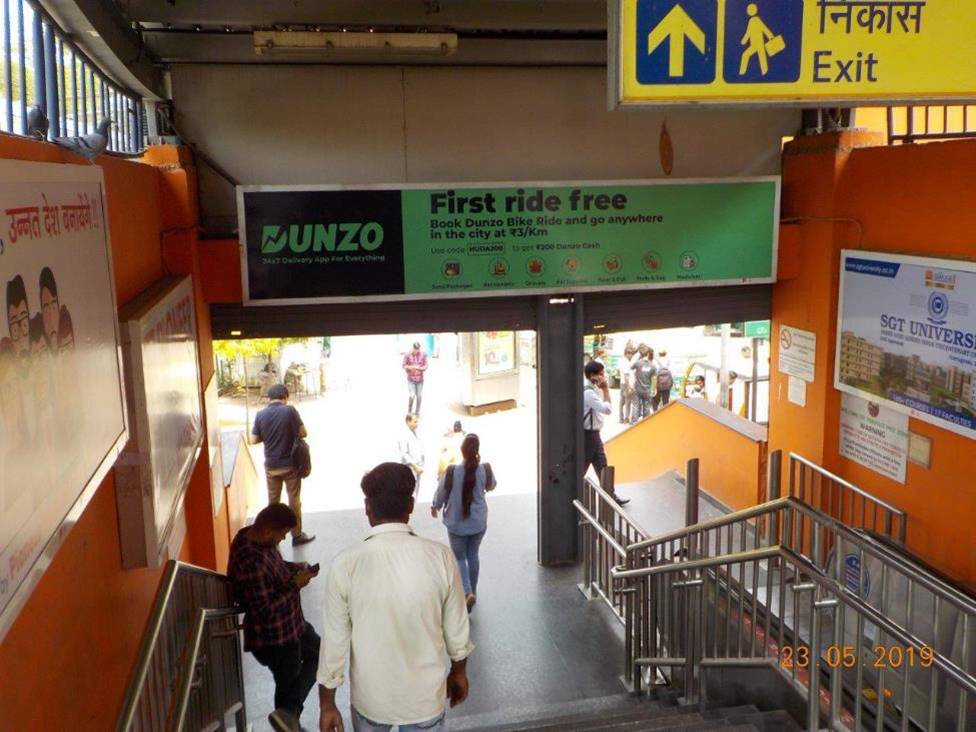
Exit Zones: The Power of the Last Impression
Recency Effect in Action
Psychology shows that people remember the last experience most vividly. Exit zones capitalise on this recency effect.
At exits:
-
Attendees mentally summarise the event
-
Emotional peaks or fatigue settle in
-
Brand messaging becomes part of the takeaway
Branding at exits—thank-you boards, feedback kiosks, transport pickup points, or souvenir counters—often becomes the final visual memory associated with the event.
High Recall, Low Competition
Exit zones usually have less branding clutter compared to stages. This exclusivity allows brands to dominate attention without shouting.
Therefore, exit-zone branding punches far above its cost in terms of recall and memorability.
Why These Zones Outperform Main Stages on Recall
| Factor | Main Stage | Entry / Exit / Waiting Zones |
|---|---|---|
| Attention Level | Divided | Focused |
| Dwell Time | Short / Passive | Long / Active |
| Clutter | High | Low |
| Emotional State | Distracted | Anticipatory / Reflective |
| Recall Potential | Moderate | High |
This is why brands often discover post-event that attendees remember “the brand at the entry” or “the brand near registration” more clearly than stage sponsors.
Smart Media Formats for High-Recall Zones
Brands that understand this dynamic use formats such as:
-
Registration desk branding
-
Queue dividers and standees
-
Floor graphics and pathway branding
-
Charging stations and hydration points
-
Feedback screens and exit installations
These formats integrate naturally into attendee movement, making branding feel useful rather than intrusive.
Why These Zones Are Still Undervalued
Despite their effectiveness, entry, exit, and waiting zones are often cheaper than stage sponsorships. This creates a false perception of lower value.
In reality:
-
Cost is lower
-
Recall is higher
-
Competition is limited
This imbalance makes these zones one of the highest-ROI media opportunities inside events.
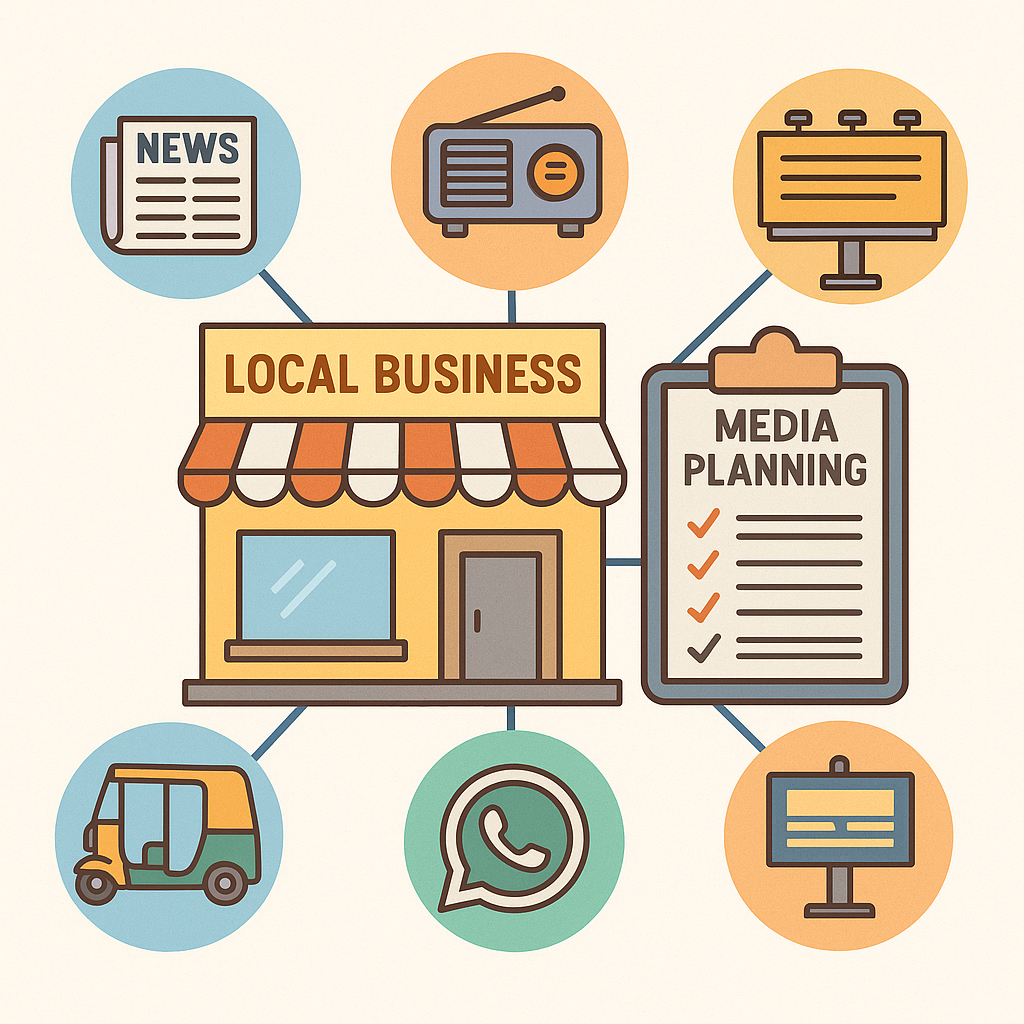
How Brands Should Rethink Event Media Planning
To maximise recall, brands should:
-
Allocate budgets based on attention, not prestige
-
Treat entry and exit zones as premium inventory
-
Design creatives for close-range viewing
-
Use simple, bold messaging suited to short dwell moments
Event media planning must shift from “where is the crowd?” to “where is the attention?”
Conclusion: Attention Beats Visibility Every Time
In conclusion, entry, exit, and waiting zones at events deliver higher recall than main stages because they capture focused attention during psychologically powerful moments. First impressions, idle time, and last memories outperform logo-heavy stage visibility in driving brand recall.
Brands that move beyond prestige placements and plan for attention economics will consistently outperform competitors at events. In modern event advertising, the smartest visibility is often found away from the spotlight.