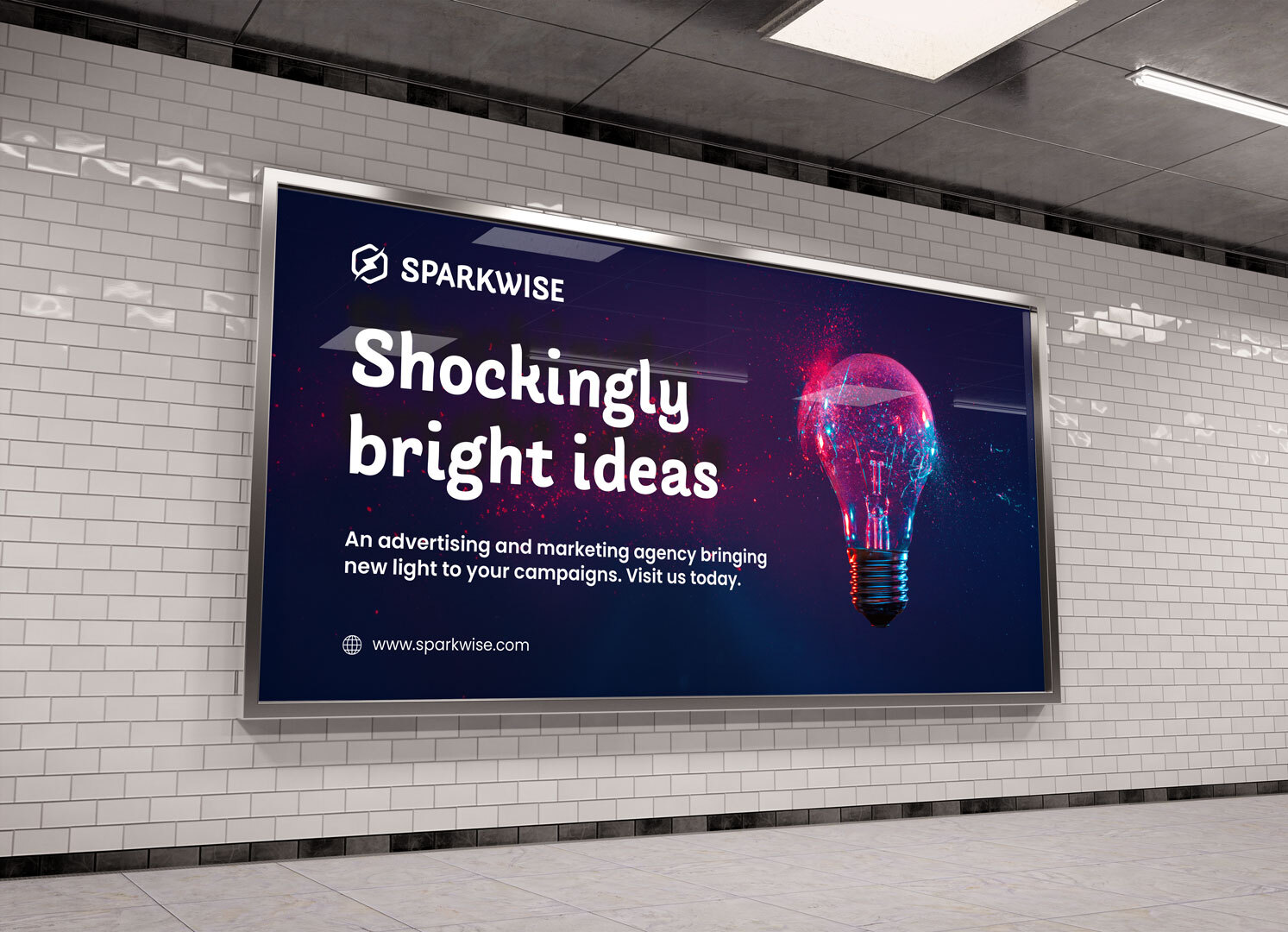
What Brands Should Audit Before Opting for OOH Advertising in a New City? is a critical question for marketers expanding beyond familiar markets. While Out-of-Home (OOH) advertising delivers unmatched visibility, its effectiveness depends heavily on local context. A strategy that works in one city may fail in another if brands skip essential audits.
Therefore, before investing in hoardings, unipoles, transit media, or DOOH, brands must evaluate city-specific variables. This audit-driven approach ensures that outdoor campaigns align with audience behaviour, infrastructure, and business objectives.
Why Auditing Is Crucial Before Launching OOH in a New City
OOH advertising is capital-intensive and location-dependent. Unlike digital ads, placements cannot be instantly optimised or paused. Therefore, poor planning leads to long-term inefficiencies.
Moreover, cities differ in traffic patterns, media regulations, consumer movement, and visual clutter. As a result, brands that conduct structured audits achieve higher visibility, recall, and ROI.
Audit the Target Audience Movement and Daily Mobility
One of the first audits brands should conduct is audience movement mapping. Understanding where people live, work, commute, and spend leisure time is essential.
Key factors to evaluate include:
-
Peak traffic corridors
-
Residential-to-commercial travel routes
-
High-dwell-time zones such as junctions and signals
-
Public transport usage patterns
Therefore, brands can align OOH placements with real audience presence rather than assumptions. This ensures ads are seen repeatedly by the right consumers.
Audit High-Impact OOH Locations and Media Inventory
What brands should audit before opting for OOH advertising in a new city also includes location quality. Not all hoardings or unipoles offer equal visibility.
Brands should assess:
-
Sightlines and obstruction risks
-
Viewing distance and speed of traffic
-
Illumination quality (especially for night visibility)
-
Competing brand clutter in the same zone
Additionally, brands must verify whether locations serve brand objectives such as awareness, launch visibility, or directional messaging. Consequently, location relevance matters more than sheer size.
Audit Local Regulations and Media Permissions
Every city follows different outdoor advertising norms. Therefore, regulatory audits are non-negotiable before OOH deployment.
Brands should check:
-
Municipal permissions and tenure validity
-
Content restrictions and size limitations
-
Lighting regulations for digital or illuminated media
-
Compliance with traffic safety guidelines
Skipping this audit can result in forced takedowns, penalties, or campaign disruptions. Hence, regulatory clarity protects both brand reputation and investment.

Audit Media Owner Credibility and Maintenance Standards
OOH performance depends heavily on execution quality. Therefore, brands must audit media owners and vendors before finalising inventory.
Important checkpoints include:
-
Ownership legitimacy and contract transparency
-
Past execution quality and maintenance standards
-
Timely installation and monitoring processes
-
Replacement and damage policies
As a result, brands reduce risks related to poor upkeep, delayed execution, or visibility loss.
Audit Creative Compatibility With the City Environment
Creative effectiveness varies by city. A design that stands out in a tier-2 city may get lost in a metro’s visual clutter.
Brands should audit:
-
Language preferences and cultural cues
-
Colour contrast against cityscape
-
Message length suitable for traffic speed
-
Local relevance of imagery and call-to-action
Therefore, creative audits ensure the message cuts through the environment instead of blending into it.
Audit Competitor Presence and Share of Voice
Before entering a new city, brands must evaluate competitor OOH dominance. This audit reveals opportunities and risks.
Key aspects include:
-
Competitor-heavy corridors
-
Overused premium junctions
-
White spaces with low brand clutter
Consequently, brands can choose smarter locations where their messaging gains higher share of voice rather than competing aggressively for attention.
Audit Budget Allocation and Cost Efficiency
OOH pricing varies significantly across cities. Therefore, brands must audit cost structures against expected exposure.
Brands should compare:
-
CPM estimates based on traffic volume
-
Premium vs spread-out inventory costs
-
Static vs DOOH efficiency
-
Campaign duration versus frequency
As a result, media plans become financially sustainable and strategically balanced.

Audit Measurement and Performance Tracking Methods
Finally, brands must audit how OOH success will be measured. Without clear metrics, campaign effectiveness remains subjective.
Common evaluation methods include:
-
Footfall correlation studies
-
Geo-lift analysis
-
Brand recall surveys
-
Store enquiries and local lead spikes
Therefore, aligning measurement frameworks before launch ensures accountability and learning for future expansions.
Conclusion
What Brands Should Audit Before Opting for OOH Advertising in a New City? goes far beyond selecting hoardings or negotiating rates. It requires a structured evaluation of audience behaviour, locations, regulations, creatives, competitors, and measurement frameworks.
By auditing these factors upfront, brands reduce risk, optimise visibility, and improve ROI. Consequently, thoughtful OOH planning transforms city entry campaigns into long-term brand assets rather than costly experiments.