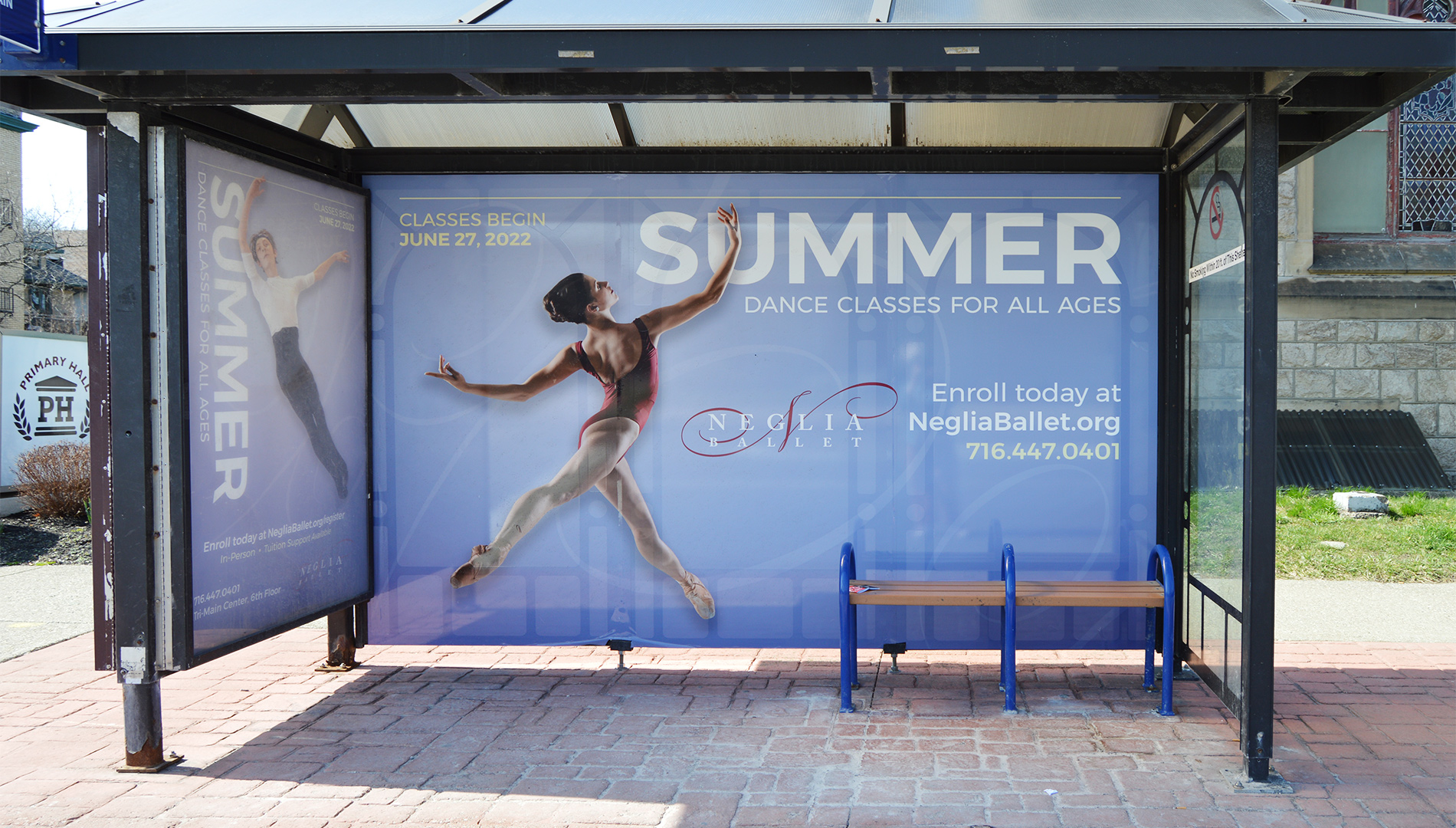
Planning high-frequency campaigns using bus shelter ads in Delhi NCR has become a preferred strategy for brands seeking sustained visibility in a cluttered urban environment. As daily commuters wait, walk, and pass through these shelters, brands gain repeated exposure opportunities. Moreover, because bus shelters are evenly distributed across arterial roads, residential clusters, and commercial hubs, they help advertisers achieve consistent impressions throughout the day. Therefore, when planned strategically, this medium delivers both reach and frequency without media fatigue.
Why Bus Shelter Ads Are Ideal for High-Frequency Campaigns
High-frequency advertising depends on repetition. Bus shelter ads naturally enable this because commuters often follow fixed routes. Consequently, the same individual may view the same creative multiple times daily. In addition, shelters are positioned at eye level, which improves noticeability. Compared to large hoardings, bus shelters create closer brand encounters. As a result, recall rates tend to be higher, especially for local and mass-market brands.
Understanding Commuter Movement Patterns in Delhi NCR
To plan effectively, understanding commuter movement across Delhi NCR is essential. Residential zones such as Dwarka, Rohini, Noida, and Ghaziabad generate heavy daily traffic. Meanwhile, commercial belts like Connaught Place, Nehru Place, and Gurgaon offices attract consistent weekday movement. Therefore, aligning bus shelter clusters along these corridors increases message repetition. Furthermore, selecting shelters near metro interchanges boosts dwell time and attention.
Creative Planning for High-Frequency Visibility
While frequency is important, creative simplicity matters even more. Since audiences see the same ad repeatedly, cluttered designs reduce effectiveness. Hence, short headlines, bold colors, and strong brand cues work best. Additionally, rotating creatives every few weeks prevents visual fatigue. For example, sequential messaging can be used to tell a short brand story across multiple shelters. This approach maintains freshness while preserving frequency.
Zonal Media Planning and Shelter Clustering
Rather than spreading budgets thin, smart planners cluster bus shelters within specific zones. This zonal domination strategy ensures that audiences encounter the brand repeatedly within a limited geography. As a result, brand recall increases significantly. Moreover, zonal planning helps align campaigns with store locations, service areas, or hyperlocal promotions. Therefore, it is particularly effective for retail, education, healthcare, and FMCG brands.
Campaign Duration and Frequency Optimization
High-frequency campaigns require adequate duration. Typically, a minimum of four weeks is recommended. This duration allows the campaign to build mental availability over time. Additionally, longer campaigns benefit from negotiated media rates. However, frequency should be balanced carefully. Excessive repetition without creative variation may reduce attention. Thus, planners should combine duration with creative refresh cycles.
Measuring Effectiveness of Bus Shelter Campaigns
Although bus shelter ads are offline media, effectiveness can still be measured. Brands often track uplift in store visits, inquiries, or local search activity. Furthermore, QR codes or short URLs help measure engagement. When combined with mobile location data, planners can also estimate exposure frequency. Therefore, bus shelter advertising is no longer a blind medium.
Industries That Benefit Most from High-Frequency Bus Shelter Ads
Retail chains, real estate developers, coaching institutes, telecom brands, and FMCG companies benefit significantly from this format. Since these sectors rely on repeated reminders, bus shelter advertising supports top-of-mind awareness. In addition, political and government awareness campaigns also use high-frequency shelter ads to reinforce messages consistently.
Conclusion: Building Impact Through Repetition
In conclusion, planning high-frequency campaigns using bus shelter ads in Delhi NCR is about strategic placement, smart creative design, and zonal dominance. When executed well, this medium delivers sustained visibility at scale. Moreover, it fits seamlessly into integrated OOH and transit media plans. Therefore, brands looking to strengthen recall and local presence should strongly consider bus shelter advertising as a high-frequency solution.