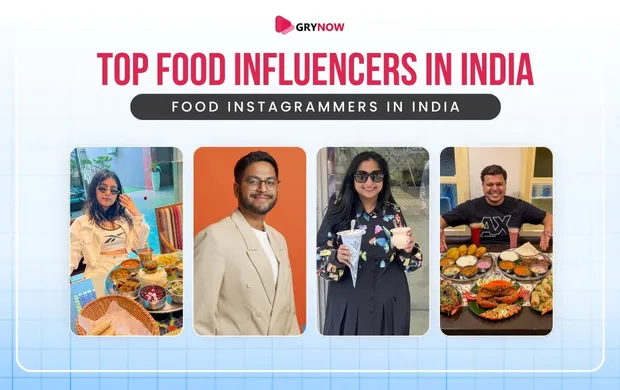
India’s diversity of languages, cuisines, and food habits makes regional marketing essential for brand growth. As digital consumption expands beyond metro audiences, brands increasingly rely on food influencers for regional reach through vernacular content. This approach allows brands to connect authentically with local consumers by speaking their language—both culturally and linguistically.
Rather than using generic English-led campaigns, brands now collaborate with regional food creators who produce content in Hindi, Tamil, Telugu, Marathi, Bengali, Kannada, Malayalam, and other regional languages. Consequently, campaigns feel more relatable, trustworthy, and conversion-oriented.
Why Food Influencers Are Powerful for Regional Markets
Food is deeply emotional and culturally rooted. Therefore, food influencers naturally command higher engagement, especially at the regional level. When influencers showcase local recipes, street food, or traditional cooking styles in vernacular languages, audiences respond with familiarity and trust.
Moreover, regional food creators often have highly loyal followers within specific cities or states. As a result, brands gain targeted reach without excessive media spillover. This makes vernacular food influencer marketing both cost-effective and impactful.
Role of Vernacular Content in Driving Regional Reach
Vernacular content removes language barriers and increases comprehension. When influencers explain product benefits, recipes, or usage in local languages, audiences absorb information faster and act with confidence.
Additionally, regional language content performs better on platforms like Instagram and YouTube due to algorithmic preference for high engagement. Therefore, brands benefit from improved discoverability and organic reach.
How Brands Strategically Use Food Influencers for Vernacular Campaigns
1. Region-Specific Influencer Selection
Brands carefully select food influencers based on geography, language, and cuisine relevance. For example, a spice brand may collaborate with Tamil-speaking creators in Chennai and Telugu influencers in Hyderabad. Hence, messaging aligns naturally with regional food habits.

2. Local Recipe Integration
Instead of generic product promotions, brands encourage influencers to integrate products into regional recipes. As a result, the content feels organic rather than promotional.
3. Reels and Short-Form Vernacular Videos
Short-form videos in local languages generate high completion rates. Influencers explain taste, preparation, or value in a conversational tone. Consequently, viewers relate instantly and engage more actively.
4. Regional Hashtags and Location Tags
Influencers use region-specific hashtags, city names, and local slang. Therefore, content reaches hyperlocal audiences browsing regional feeds.
Platforms Where Vernacular Food Influencer Content Performs Best
Short-form video platforms dominate regional consumption. Instagram Reels, YouTube Shorts, and regional creator networks drive massive engagement in Tier 2 and Tier 3 cities.
Additionally, search-based discovery on Google supports long-term visibility when influencer videos are repurposed into blogs or recipe articles in regional languages.
Industries Actively Using Vernacular Food Influencer Marketing
FMCG food brands, spice manufacturers, ready-to-eat brands, dairy products, edible oil companies, and QSR chains actively leverage regional food influencers. Similarly, kitchen appliance brands and grocery delivery platforms benefit from vernacular demonstrations.
Moreover, regional festivals and seasonal food trends amplify campaign relevance. Hence, vernacular food influencer marketing aligns perfectly with India’s consumption cycles.
Benefits of Using Food Influencers for Regional Vernacular Reach
Firstly, brands achieve higher engagement rates due to language familiarity. Secondly, trust levels increase as influencers resemble everyday consumers. Additionally, conversion intent improves because messaging feels personal and culturally aligned.

Furthermore, vernacular influencer campaigns reduce content production costs by reusing formats across regions with localized language adaptations. Therefore, brands achieve scalability without losing authenticity.
Best Practices for Brands Planning Vernacular Food Influencer Campaigns
To begin with, brands should brief influencers clearly while allowing creative freedom. Next, messaging should remain simple, visual, and culturally sensitive. Additionally, subtitles can be added for wider comprehension without diluting vernacular tone.
Finally, brands must track metrics such as engagement rate, saves, comments in local language, and regional sales lift. Consequently, campaign effectiveness becomes measurable and optimizable.
Conclusion
Food influencers play a critical role in helping brands achieve regional reach through vernacular content. By combining cultural relevance, local language storytelling, and trusted creator voices, brands can penetrate deeper into India’s diverse markets. As digital consumption becomes increasingly regional, vernacular food influencer marketing will continue to be a decisive growth lever for brands seeking meaningful connections and sustainable impact.