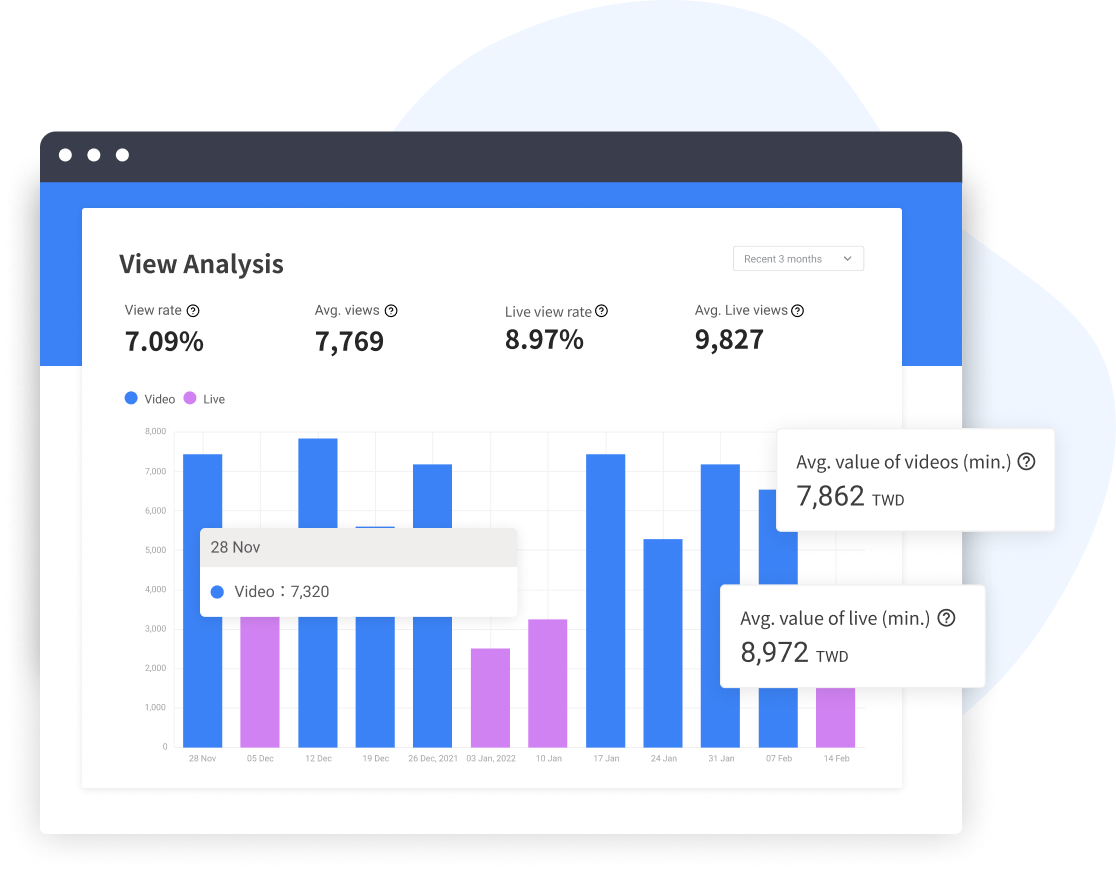
As brands increase investments in creator-led campaigns, tracking the right performance metrics for Reels, posts, and influencer videos has become critical. Vanity metrics alone no longer justify budgets. Instead, marketers must focus on meaningful indicators that reflect attention, engagement, and business impact.
Different content formats serve different objectives. Therefore, performance evaluation must align with format-specific behavior and platform algorithms. When brands understand what truly matters, influencer campaigns become more predictable, optimizable, and ROI-driven.
Why Metrics Matter More Than Ever in Influencer Marketing
Social media algorithms prioritize engagement quality over mere visibility. As a result, brands must analyze how users interact with content rather than how many users simply see it.

Moreover, performance metrics help brands compare creators, formats, and platforms objectively. Consequently, decisions around influencer marketing selection, content strategy, and paid amplification become data-backed instead of assumption-led.
Key Performance Metrics for Reels
Reels are designed for discovery and rapid consumption, especially on platforms like Instagram. Therefore, success metrics focus on attention and engagement velocity.
1. Reach and Plays
Reach indicates how many unique users viewed the Reel, while plays show total views. High plays with low reach often indicate repeat views, which signals strong content resonance.
2. Watch Time and Completion Rate
Watch time reflects total seconds spent viewing the Reel. Completion rate shows how many users watched till the end. Since algorithms favor retention, these metrics strongly influence organic reach.
3. Engagement Rate (Likes, Comments, Shares, Saves)
Saves and shares are particularly valuable. They signal intent and usefulness, pushing Reels further in discovery feeds.
4. Profile Visits and Follows
These metrics indicate whether the Reel successfully drove curiosity and brand affinity. Hence, they matter for influencer-led brand awareness campaigns.
Performance Metrics That Matter for Static and Carousel Posts
Posts and carousels focus on depth, clarity, and information retention. As a result, engagement quality outweighs raw impressions.
1. Engagement Rate Per Impression
This metric reveals how compelling the content was relative to visibility. Carousels typically outperform single-image posts due to higher dwell time.
2. Saves and Shares
Saves indicate long-term value, while shares extend organic reach. Therefore, these metrics are more meaningful than likes alone.
3. Comments Quality
Comment relevance, length, and sentiment matter. Questions, tagging, and opinions signal genuine interest rather than passive scrolling.
4. Clicks and Link Taps
For campaigns with CTAs, link taps and profile clicks measure action-oriented performance. Consequently, they help assess mid-funnel impact.
Influencer Video Metrics That Drive Real Insights
Long-form and short-form influencer videos on platforms like YouTube require deeper performance analysis.
1. Views vs Average View Duration
High views without strong average view duration suggest weak storytelling. Therefore, duration-based metrics better reflect content effectiveness.
2. Audience Retention Curve
Retention graphs show where viewers drop off. Brands can identify weak moments and improve future briefs accordingly.
3. Click-Through Rate (CTR)
CTR measures how many viewers acted on links in descriptions, pinned comments, or CTAs. This metric is crucial for performance-driven campaigns.
4. Assisted Conversions
Even if videos do not convert directly, they influence consideration. Tools like Google Analytics help track assisted conversions and attribution.

Cross-Format Metrics Brands Often Overlook
Some metrics apply across Reels, posts, and videos but are frequently ignored.
Firstly, frequency shows how often users see content. Secondly, sentiment analysis reveals how audiences perceive the brand. Thirdly, creator audience overlap helps brands avoid duplication in multi-influencer campaigns.
Moreover, cost-per-engagement and cost-per-view metrics help compare influencer efficiency objectively.
Aligning Metrics With Campaign Objectives
Not every metric matters for every campaign. Awareness campaigns prioritize reach, watch time, and recall. Engagement campaigns focus on saves, comments, and shares. Performance campaigns track clicks, conversions, and ROI.
Therefore, brands must define KPIs before campaign execution. Otherwise, post-campaign analysis becomes misleading and subjective.
Best Practices for Tracking Influencer Performance
To begin with, brands should request platform-native insights directly from influencers. Next, they should standardize reporting formats across creators. Additionally, performance should be evaluated over time, not just during the posting window.
Finally, combining organic performance data with paid amplification results provides a holistic view. Consequently, brands gain clarity on scalability and optimization potential.
Conclusion
Understanding performance metrics that matter for Reels, posts, and influencer videos is essential for modern digital marketing success. By focusing on attention, engagement quality, and action-driven indicators, brands can move beyond vanity metrics and build influencer strategies that deliver measurable business outcomes. In a crowded content ecosystem, the right metrics turn influence into impact.