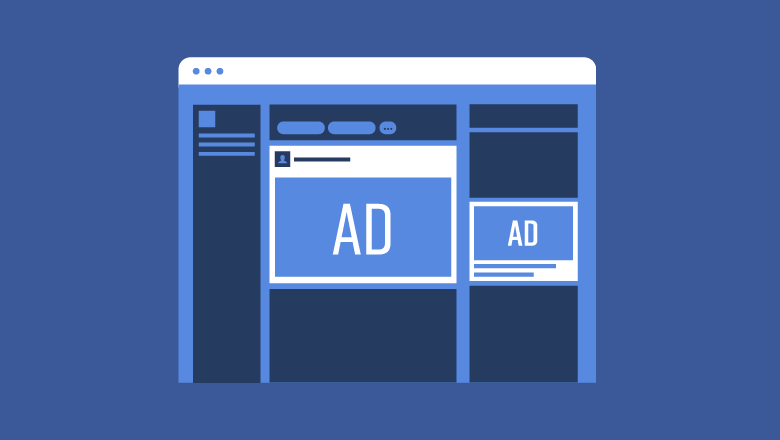
As digital advertising becomes increasingly data-driven, Programmatic Display, Video, Audio & DOOH have emerged as core media options for brands seeking precision, scale, and efficiency. Programmatic advertising uses automated technology and real-time bidding to buy ad inventory across platforms, ensuring ads reach the right audience at the right moment.
Instead of manual media buying, advertisers rely on audience data, location signals, and behavioral insights. Therefore, programmatic media options deliver better targeting, faster optimization, and measurable outcomes across digital and physical environments.
What Is Programmatic Display Advertising?
Programmatic display advertising refers to automated buying of banner and rich media ads across websites and mobile apps. These ads appear in standard formats such as leaderboards, rectangles, interstitials, and native placements.
Moreover, programmatic display campaigns use demographic, interest-based, and retargeting data to improve relevance. As a result, brands can maintain high visibility while controlling frequency and cost. Display advertising is widely used for awareness, retargeting, and always-on branding strategies.

Understanding Programmatic Video Advertising
Programmatic video advertising delivers video ads across in-stream, out-stream, and in-feed environments. These ads run on OTT platforms, publisher sites, and video networks such as YouTube.
Firstly, in-stream video ads play before or during video content. Secondly, out-stream video ads appear within articles or feeds. Therefore, advertisers can match formats with campaign objectives. Programmatic video is highly effective for storytelling, product launches, and brand-building due to high attention and completion rates.
Additionally, advertisers can optimize video ads based on viewability, completion rate, and audience engagement. Hence, programmatic video ensures efficient reach with strong impact.
Programmatic Audio Advertising Explained
Programmatic audio advertising targets users while they consume music, podcasts, or online radio. These ads appear on platforms like Spotify and other audio streaming apps.
Since audio consumption is often screen-free, programmatic audio ads deliver undivided attention. Moreover, advertisers can target users based on location, listening behavior, and time of day. As a result, audio ads perform well for brand recall and frequency-led campaigns.
Furthermore, programmatic audio integrates seamlessly with display and video campaigns. Therefore, brands can build consistent messaging across multiple sensory touchpoints.
What Is Programmatic DOOH Advertising?
Programmatic DOOH (Digital Out-of-Home) advertising brings automation to digital screens placed in public spaces. These include billboards, mall screens, airport displays, office lobbies, and transit hubs.
Unlike traditional OOH, programmatic DOOH allows real-time ad serving based on factors such as location, time, weather, or audience movement. Consequently, brands gain flexibility and contextual relevance.
Moreover, programmatic DOOH campaigns can be synchronized with mobile and digital ads. Hence, advertisers achieve omnichannel visibility by combining physical and digital impressions.
Key Differences Between Display, Video, Audio & DOOH
Each programmatic media option serves a unique role in the media mix. Display ads drive reach and retargeting. Video ads deliver storytelling and emotional impact. Audio ads build frequency and recall. DOOH ads provide high-impact visibility in the real world.

Therefore, brands often combine these formats to support full-funnel objectives. For example, video builds awareness, display supports retargeting, audio reinforces recall, and DOOH amplifies presence in high-footfall zones.
Benefits of Using Programmatic Media Options
Firstly, programmatic advertising improves targeting accuracy through data-driven decisions. Secondly, it reduces manual effort and increases buying efficiency. Additionally, real-time optimization ensures better ROI.
Moreover, advertisers gain transparency through detailed reporting and performance insights. Hence, programmatic media buying supports smarter planning and faster decision-making.
Industries Leveraging Programmatic Advertising
E-commerce, fintech, FMCG, real estate, automotive, and entertainment brands actively use programmatic display, video, audio, and DOOH. Similarly, B2B brands leverage programmatic channels for account-based targeting and lead generation.
As competition intensifies, programmatic media options help brands stay agile and competitive.
Conclusion
Programmatic Display, Video, Audio & DOOH together form a powerful, integrated advertising ecosystem. By understanding the strengths of each media option, brands can design balanced campaigns that deliver reach, relevance, and results. In an era of automation and data-led marketing, programmatic advertising is no longer optional—it is essential for scalable and impactful brand growth.