Programmatic advertising offers brands multiple formats, buying models, and platforms. However, performance depends not on using every option, but on choosing the right programmatic media option aligned with campaign goals. When brands match objectives with the correct format, they achieve better efficiency, relevance, and ROI.
Instead of treating programmatic as a single channel, marketers must view it as a flexible ecosystem. Therefore, understanding how each programmatic media option supports different stages of the funnel is critical for effective decision-making.
Step 1: Define the Primary Campaign Objective
Before selecting any programmatic media option, brands must clearly define their objective. Campaign goals usually fall into three broad categories:
-
Awareness: Maximise reach and visibility
-
Consideration: Drive engagement, education, and interest
-
Conversion: Generate leads, installs, visits, or sales
Once the objective is clear, selecting the appropriate programmatic format becomes significantly easier.

Choosing Programmatic Media for Awareness Goals
When the goal is large-scale visibility, brands should prioritise formats that deliver high reach and strong visual impact.
Best Programmatic Options for Awareness
-
Programmatic Display: Broad reach across websites and apps
-
Programmatic Video: High attention and storytelling power
-
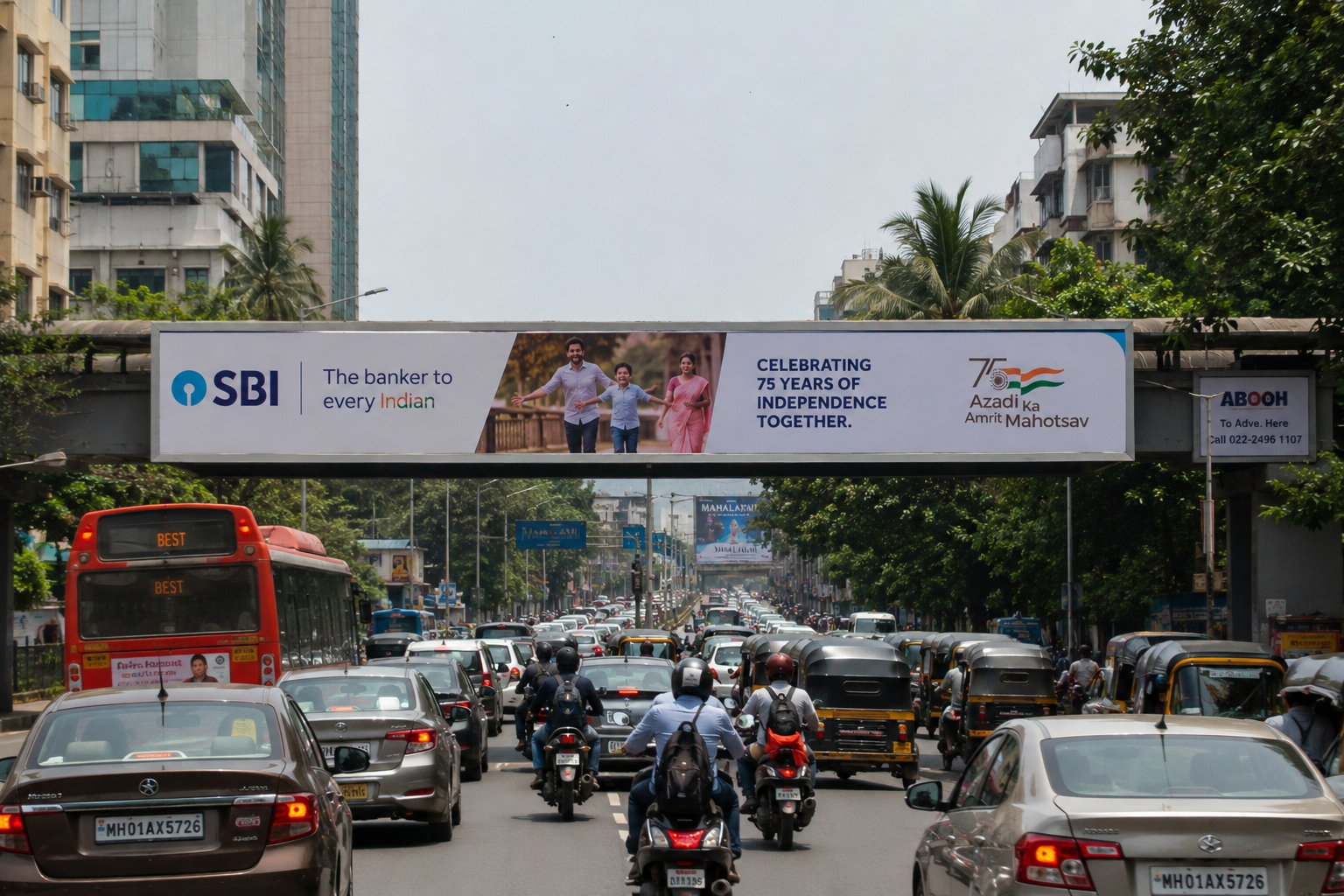
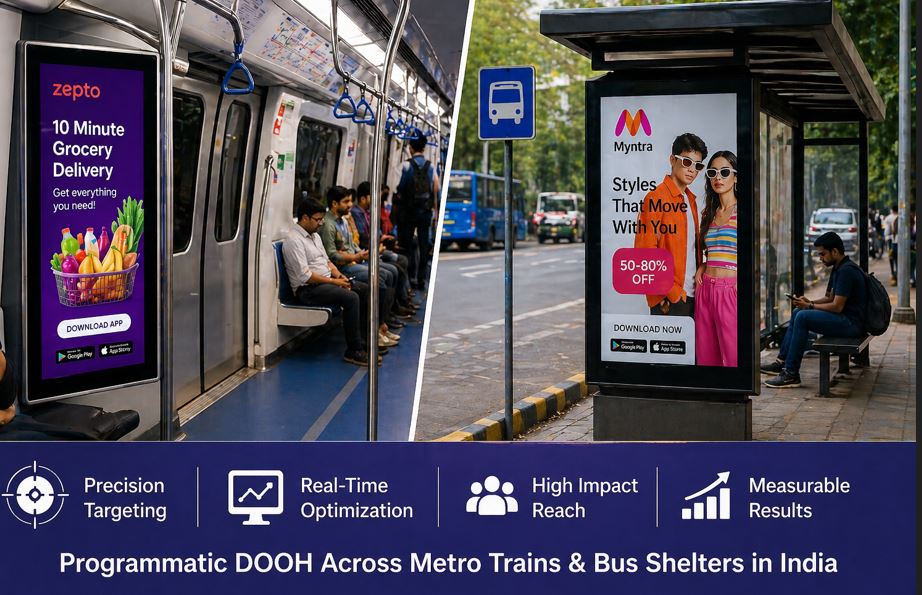
Programmatic DOOH: Strong impact in high-footfall locations
Programmatic video on platforms like YouTube helps brands tell stories at scale. Meanwhile, programmatic DOOH builds physical-world presence in airports, malls, and transit zones.
Therefore, awareness campaigns benefit from formats that prioritise impressions, viewability, and frequency.
Choosing Programmatic Media for Consideration Goals
Consideration-focused campaigns aim to educate and engage users who are already aware of the brand.
Best Programmatic Options for Consideration
-
Programmatic Native Advertising: Seamless content integration
-
Programmatic Video (Mid-Funnel): Product demos and explainers
-
Programmatic Audio Advertising: Frequency and recall building
Native ads blend naturally into content environments, making them ideal for storytelling and brand education. Audio ads on platforms like Spotify reinforce messaging during screen-free moments.
As a result, brands maintain attention without overwhelming users.
Choosing Programmatic Media for Conversion Goals
Conversion-driven campaigns focus on action. Therefore, formats must support intent, retargeting, and measurable outcomes.
Best Programmatic Options for Conversions
-
Programmatic Display Retargeting
-
Programmatic Video with CTAs
-
Programmatic Search and Retail Media Extensions
Retargeted display ads remind users of products they have already viewed. Additionally, video ads with clear CTAs help push undecided users toward action.
To track outcomes effectively, brands often integrate conversion data with analytics tools from Google.
Aligning Programmatic Buying Models With Campaign Goals
Beyond formats, brands must also choose the right buying model.
-
RTB (Real-Time Bidding): Best for scale and efficiency
-
PMP (Private Marketplace): Ideal for premium and brand-safe environments
-
Programmatic Guaranteed: Suitable for fixed delivery and launches
For example, awareness campaigns often use RTB for reach, while premium brand campaigns prefer PMP or Guaranteed deals for control and quality.
Using Programmatic DOOH for Location-Driven Objectives
When campaigns depend on geography, timing, or real-world presence, programmatic DOOH becomes a strong choice.
Brands use DOOH for:
-
Retail footfall generation
-
City-specific launches
-
Event amplification
Because ads can trigger based on time, weather, or location, DOOH delivers contextual relevance that digital-only formats cannot replicate.
Budget, Audience, and Creative Considerations
Even with the right objective, brands must account for practical factors. Firstly, budget allocation influences format choice. Video and DOOH require higher investments, while display and native offer flexibility. Secondly, audience behaviour matters. Mobile-first audiences respond better to video and in-app formats. Meanwhile, professional audiences engage more with native and CTV environments.

Finally, creative assets must match the format. A strong video concept performs better in video and DOOH, while concise messaging works best for display and audio.
Measuring Success Based on Programmatic Media Choice
Each programmatic option has different success metrics.
-
Awareness: Reach, impressions, viewability, completion rate
-
Consideration: Engagement, watch time, saves, CTR
-
Conversion: Clicks, leads, installs, sales, ROI
Therefore, brands should evaluate performance against original objectives rather than comparing formats directly.
Best Practices for Choosing the Right Programmatic Media Option
To begin with, brands should map objectives clearly to the funnel. Next, they should test multiple formats with controlled budgets. Additionally, ongoing optimisation must guide budget reallocation toward high-performing options.
Most importantly, brands should avoid a one-size-fits-all approach. Programmatic success lies in precision, not volume.
Conclusion
Choosing the right programmatic media option depends on clear campaign goals, audience behaviour, and creative alignment. From display and video to audio and DOOH, each format plays a distinct role in the marketing funnel. When brands align objectives with the right programmatic media option, they achieve better efficiency, stronger engagement, and measurable outcomes. In a complex digital landscape, goal-led programmatic planning is the key to sustainable campaign success.